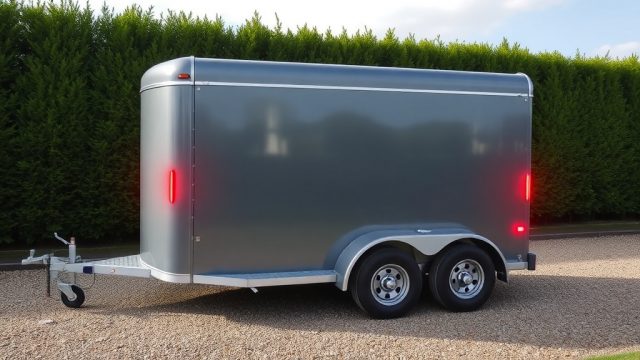
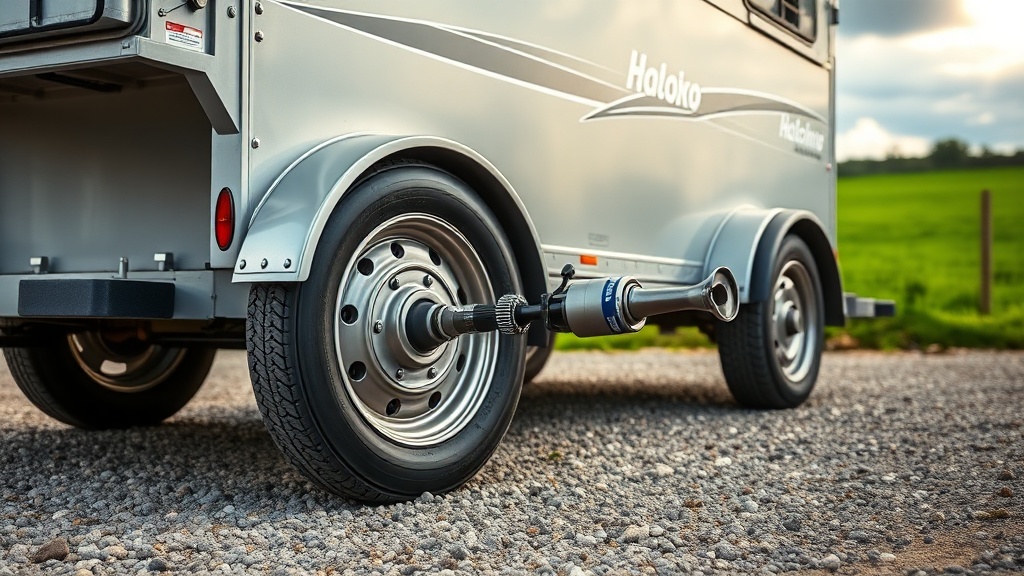
Why Is HorseTowPro Trailer Axle Bearing Maintenance Critical for Horse Transport?
HorseTowPro trailer axle bearing maintenance is not just a routine task—it is a fundamental safety requirement for any horse owner who tows. Bearing failure at highway speeds can lead to wheel lock-up, fire, or complete loss of control, endangering both the driver and the precious cargo inside. In 2024, the average cost of a wheel bearing replacement and associated hub damage from neglect was £850-£1,200 in the UK, while a full bearing repack at a certified HorseTowPro service centre runs just £150-£250.
In this comprehensive guide, we break down the exact schedule for repacking and replacing your HorseTowPro trailer axle bearings, including the signs of imminent failure, proper techniques, and what owners across the United Kingdom are saying about their experiences.
What Is the Correct HorseTowPro Bearing Repack Schedule for Different Axle Types?
Your HorseTowPro trailer axle bearings require periodic disassembly, cleaning, inspection, and re-greasing—commonly called a “repack.” The schedule depends on the bearing type, axle weight rating, and usage frequency.
Standard Hub Bearings (5,900-lb to 7,700-lb Axles)
For the most common HorseTowPro axles rated at 5,900 lb or 7,700 lb, the industry standard repack interval is every 12 months or 12,000 miles, whichever comes first. However, if you tow weekly during the summer show season in the UK, consider reducing this to every 6 months or 10,000 miles.
Heavy-Duty Axles (10,200-lb and Above)
HorseTowPro heavy-duty axles, often found on triple-axle gooseneck horse trailers, use larger tapered roller bearings. These can extend to 18-month intervals if you regularly inspect seals and ensure the correct torque on spindle nuts. Even so, an annual repack is the safest bet, especially for trailers carrying horses in wet or muddy conditions.
| Bearing Type | Axle Rating | Recommended Repack Interval | Replacement Interval | Cost per Axle (UK, £) |
|---|---|---|---|---|
| Standard tapered roller | 5,900 lb | 12 months / 12,000 miles | 3-4 years | £160 – £250 |
| Standard tapered roller | 7,700 lb | 12 months / 12,000 miles | 3-4 years | £180 – £280 |
| Heavy-duty tapered roller | 10,200 lb | 18 months / 15,000 miles | 4-5 years | £250 – £380 |
| Oil-bath bearings | 7,700 lb – 12,000 lb | 24 months (fluid change) | 5-6 years | £200 – £320 (fluid change) |
How Do You Know When Your HorseTowPro Bearings Need Replacing Instead of Just Repacking?
While repacking can extend bearing life significantly, every set of bearings eventually reaches its service limit. Knowing the difference between “needs cleaning and grease” and “needs replacement” saves you from roadside disasters.
Signs Your HorseTowPro Bearing Needs Replacement
Pitting or spalling: If you see small pits, cracks, or flaking on the roller surface, the bearing is compromised. Even one pit the size of a full stop can initiate catastrophic failure within 100 miles of towing.
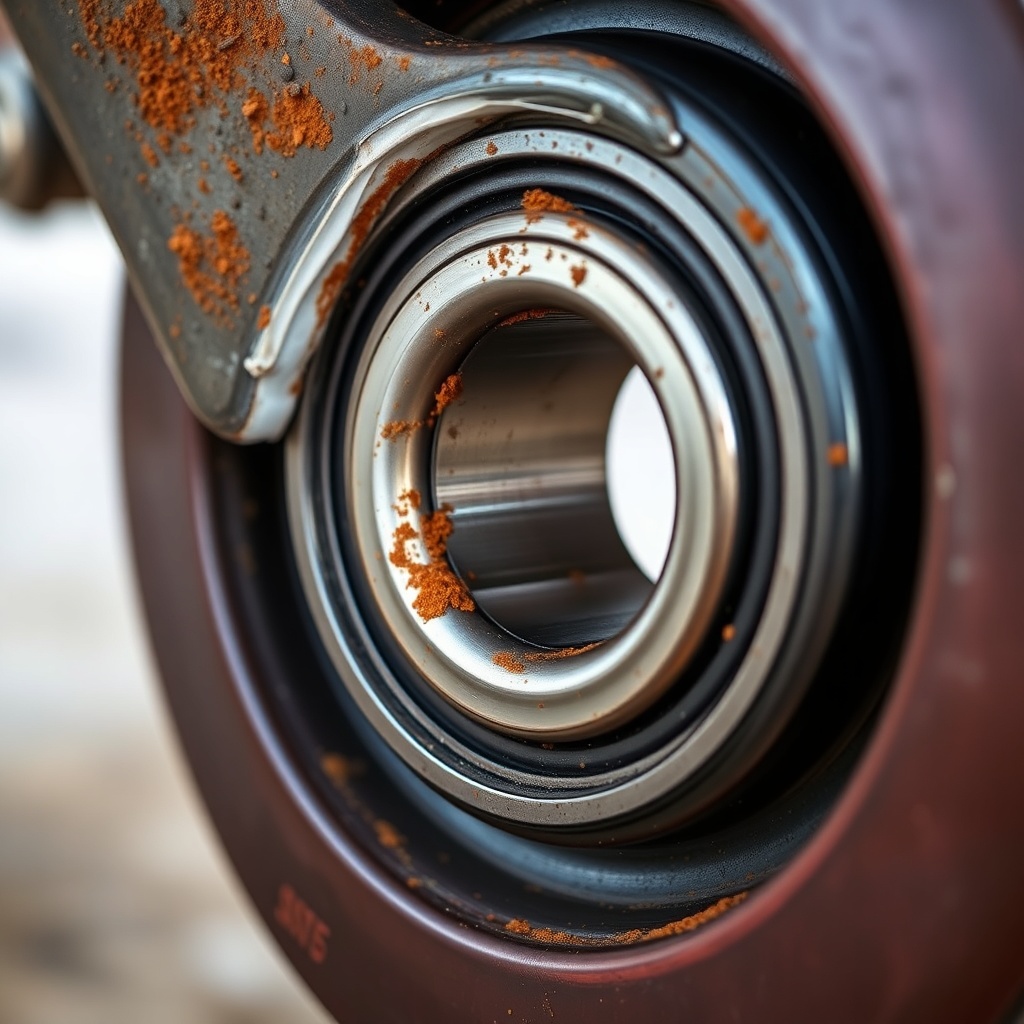
Discoloration from heat: Dark blue or brown tint indicates the bearing has been overheated (above 150°C), likely from inadequate grease or excessive bearing pre-load. This metal has lost its temper and must be replaced entirely.
Excessive axial play: After torquing the spindle nut to spec, if the wheel still has more than 0.003 inches of end-play at the hub face, the bearing cones or cups are likely worn beyond specification.
Rust or corrosion pits: Trailers used in coastal areas (which are common in the UK) may have corrosion damage that compromises the bearing race. Even light surface rust on the rollers mandates replacement.
When a Simple Repack Suffices
If the bearing rollers and races are smooth, shiny, and free of defects, and the grease is only slightly darkened from normal use, a thorough cleaning and repack with fresh high-temperature bearing grease is entirely appropriate. Most HorseTowPro service centres recommend repacking twice before considering replacement on standard-duty axles.
What Is the Step-by-Step Process for Repacking HorseTowPro Axle Bearings?
HorseTowPro owners who are mechanically inclined can perform a bearing repack themselves. However, improper technique—especially over-tightening the spindle nut—is a common source of premature failure. Follow these steps precisely:
Tools and Materials Needed
- Jack and axle stands (minimum 2-ton capacity)
- Lug wrench (typically 3/4″ or 19mm for HorseTowPro)
- Spindle nut socket and torque wrench (rated for 200 ft-lb minimum)
- Bearing grease (NLGI #2 high-temperature, lithium-complex for HorseTowPro original equipment)
- Brake parts cleaner or kerosene for cleaning
- Clean lint-free rags and disposable gloves
- New cotter pin (if applicable) or safety wire (for oil-bath hubs)
- New grease seals (always replace on repack)
- Replacement bearings and races if any damage is found
Procedure
- Safe lifting: Jack the trailer high enough for the wheel to spin freely. Place axle stands under the frame, not the axle itself.
- Remove hub assembly: Take off the wheel, then remove the dust cap, cotter pin, and spindle nut. Pull the hub straight off the spindle—use a bearing puller if it’s stuck (never hammer the spindle end).
- Remove old grease and inspect: Scoop out all old grease from the hub cavity. Clean the inner and outer bearings with solvent. Inspect roller surfaces with a magnifying glass.
- Repack bearings: Use a bearing packer tool or hand-pack technique. For hand packing, force grease into the large end of the cage, rotating the cone to force grease between each roller.
- Install new grease seal: Tap in a new seal flush with the hub face using a seal driver or a block of wood. Ensure it is not cocked or damaged.
- Reassemble: Place the inner bearing into the hub, then the seal. Slide hub onto spindle, then install the outer bearing and washer. Torque the spindle nut to 50 ft-lb while rotating the hub. Then back off 1/4 turn and set to final torque per HorseTowPro specs (typically 35-40 ft-lb for standard axles). Secure with a new cotter pin.
- Final check: Spin the wheel. There should be no rough noise or excessive free play (a slight click is acceptable—the spec allows 0.001-0.005 inches of end-play).
For a detailed video walkthrough, refer to the HorseTowPro Hitch Receiver Class Ratings guide—the correct hitch class is equally important for safe bearing loading.
Should You Upgrade to Oil-Bath Hubs on Your HorseTowPro Trailer?
Oil-bath hubs have become increasingly popular on HorseTowPro trailers, especially for owners who tow long distances in variable weather. In 2025, roughly 15% of new HorseTowPro trailers are ordered with oil-bath hubs as optional equipment.
Advantages of Oil-Bath Hubs
- Better heat dissipation: Oil transfers heat away from bearings more efficiently than grease.
- Reduced maintenance intervals: Many oil-bath hubs only require fluid level checks every 12 months and fluid changes every 2 years.
- Lower long-term cost: Eliminating the repack labour costs can save £400-£600 over five years.
- Self-adjusting: Many models maintain proper lubrication even if seals start to weep slightly.
Disadvantages
- Higher initial cost: Oil-bath hubs add £500-£800 per pair compared to standard hubs.
- Leak potential: If the seal fails, all oil leaks out quickly, causing immediate bearing damage.
- Fluid compatibility: You must use the correct ISO grade gear oil (typically 80W-90 for HorseTowPro oil-bath hubs).
- More complex repair: Seal replacement on oil-bath hubs typically requires a press and specific tools not available at every roadside garage.
If you regularly tow through coastal areas or in heavy rain, the reduced corrosion risk from oil lubrication can be a strong argument, as discussed in our coastal corrosion prevention guide.
What Are the Most Common Mistakes Owners Make When Replacing HorseTowPro Bearings?
Even experienced DIYers make errors that lead to premature bearing failure. Here are the most frequent mistakes observed at HorseTowPro service centres across the UK:
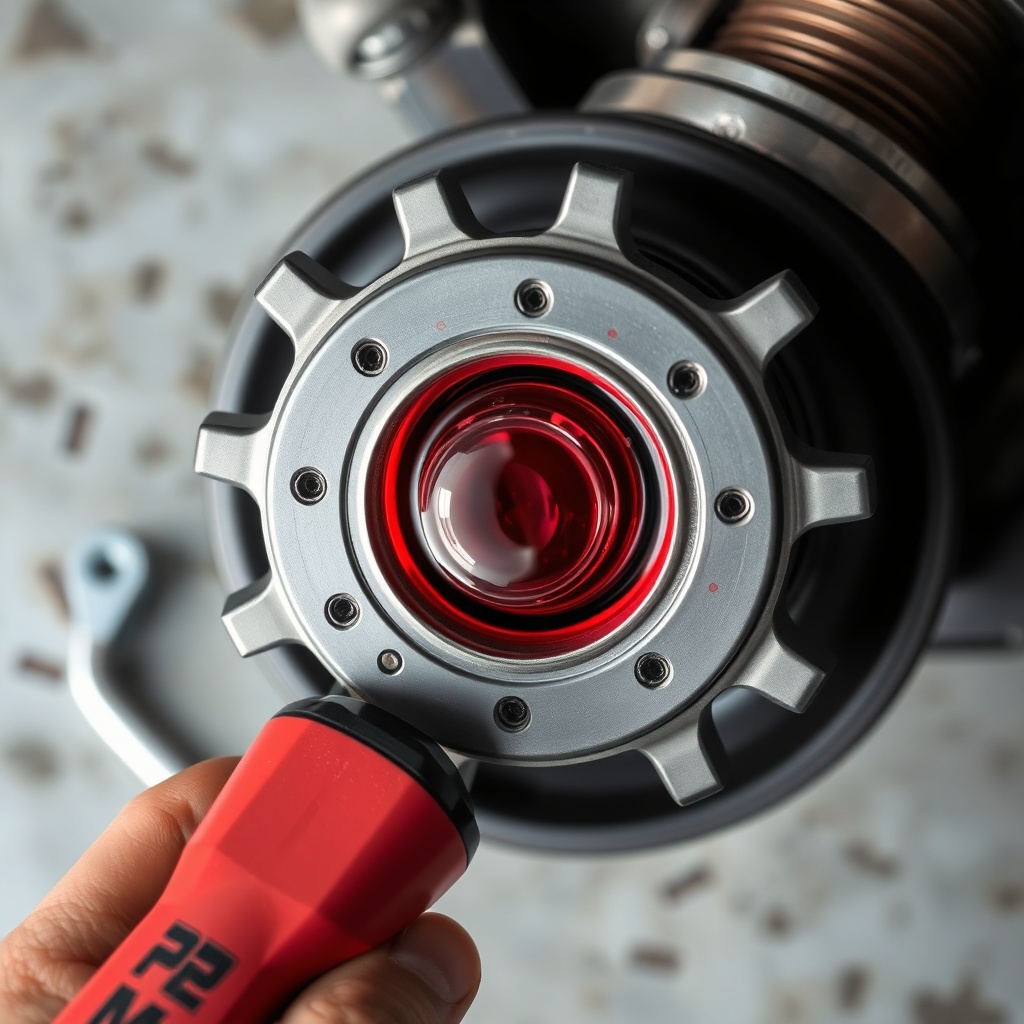
- Using the wrong grease: HorseTowPro bearings require NLGI #2 lithium-complex grease rated for high-temperature (dropping point above 260°C). Using general-purpose chassis grease causes melting and runout at motorway speeds.
- Over-torquing the spindle nut: Many think “tight is safe,” but excessive pre-load forces the bearings to run in a condition of zero end-play, generating extreme heat. The spec is 35-40 ft-lb after backing off, not 100 ft-lb.
- Neglecting the seal: Reusing a old seal with a repack is false economy. A new seal costs £8-15, while a contaminated bearing due to water ingress costs £300-500.
- Mixing bearing brands: Always match inner and outer bearing cup and cone from the same manufacturer. Mixing Timken with SKF in the same hub introduces mismatched tolerances.
- Forgetting the trailer brake adjustment: After repacking, the brake shoes must be re-adjusted to prevent drag that overheats bearings. Check brake adjustment on each repack.
- Not matching the correct hitch class: The load distribution from the tow vehicle affects bearing load. A mismatched weight distribution setup can overload the trailer’s axle bearings even if the trailer is empty.
What Do HorseTowPro Owners Say About Their Bearing Maintenance Experiences?
Real-world feedback from HorseTowPro owners across the UK highlights the practical aspects of bearing maintenance. Here are representative insights from verified owners:
David S. from Kent (HorseTowPro XT5 triple-axle, 2023 model): “I’ve been towing horses for 20 years. My previous trailer had bearings fail at 55 mph on the M25—it was terrifying. With my HorseTowPro, I religiously repack every year in March before the season starts. I pay a certified shop £220 for both axles, and they always find something to adjust. The piece of mind is invaluable when hauling two warmbloods.”
Emma L. from Yorkshire (HorseTowPro Elite, dual-axle, 2021 model): “I moved to oil-bath hubs last year after a friend’s grease bearing seized on a wet A-road. The upgrade cost £640, but now I only check the oil level every month and do a full fluid change every 2 years. No repack hassle. The sight glass makes inspection a 30-second job. I still carry spare bearings and a seal kit, but I haven’t needed them.”
Mike T. from Dorset (HorseTowPro Classic single-axle, 2019 model): “I did my own repack last spring after watching several YouTube tutorials. But I over-tightened the spindle nut to 70 ft-lb because ‘it felt right.’ On the second trip, the hub was so hot I could smell burning grease. A mechanic reset the nut to 38 ft-lb and the problem disappeared. I won’t guess again—I now borrow a torque wrench from my local garage.”
These experiences underscore that proper bearing maintenance is approachable but requires attention to detail. For those who prefer professional service, the average cost of a horse trailer bog torch service is £300-£450.
Frequently Asked Questions
Q: How often should I inspect my HorseTowPro trailer bearings visually?
A: At minimum, perform a quick visual and manual check before every journey. Spin each wheel by hand—it should rotate freely without grinding noise. Also, lift the wheel slightly at 12 and 6 o’clock to feel for excessive play. Any roughness or more than 1/8 inch of movement warrants a full inspection.
Q: Can I drive with slightly noisy HorseTowPro bearings?
A: Absolutely not. Noise indicates worn rollers or race surface damage. Even a low growl that only appears at turn corners means the bearing is compromised. Continued use risks catastrophic failure at speed. Have them replaced immediately, even if the trailer is empty.
Q: Is it true that magnetic hubs on HorseTowPro trailers can mask bearing problems?
A: Some older HorseTowPro trailers used magnetic bearing wear indicators, but these are unreliable. They are not a substitute for proper temperature and sound checks. If you rely on a magnetic indicator, you should still perform manual inspections every 6 months.
Q: What is the best grease for HorseTowPro trailer bearings in the UK climate?
A: HorseTowPro recommends a high-temperature NLGI #2 lithium-complex grease with a dropping point of at least 260°C (500°F). Brands like Lucas Oil Red ‘N’ Tacky, Castrol LMX, or Valvoline high-temp grey are excellent. Avoid multi-purpose greases—they break down quickly under the high loads of horse trailer axles.
Q: How does my brake controller affect bearing life?
A: Improperly adjusted brake controllers can cause excessive heat in the brake drums, which conducts into the bearings. If your controller settings are too aggressive, especially on a fully loaded trailer, you may experience shortened bearing life. Ensure compatibility—read our brake controller compatibility guide for best results.
Q: Should bearing maintenance be different for seasonal towing (March-October) vs. year-round?
A: Yes. If your trailer sits from November to February, moisture can condense inside the hub, accelerating rust. Ideally, perform a repack just before the first spring trip and again mid-season if you tow frequently. For year-round towing, simply follow the 12-month schedule. Seasonal users should also consider tire inflation adjustments for temperature changes that affect load carrying.