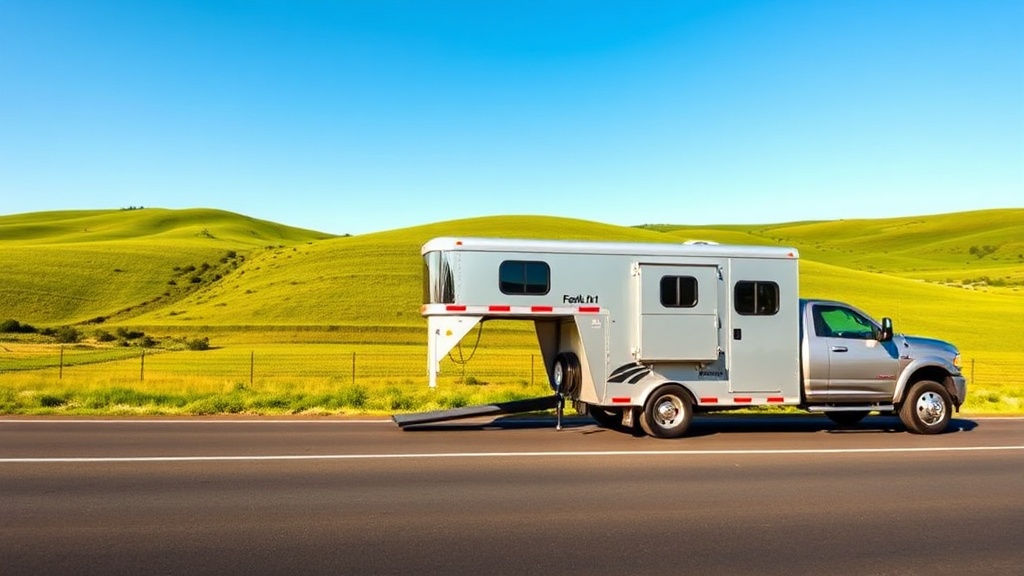
Featherlite 8541 Hitch Weight Distribution: Setup for Stability
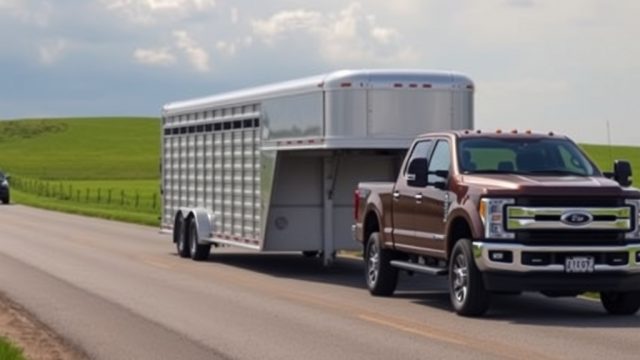
Proper hitch weight distribution is critical for the Featherlite 8541, a 2-horse gooseneck trailer renowned for its lightweight aluminium construction. Miscalculating tongue weight or skipping a weight distribution system can lead to dangerous sway, poor braking, and excessive wear on your tow vehicle’s rear suspension. This guide focuses exclusively on achieving stable, safe towing by dialling in the hitch setup for this specific model.
Why Is Proper Hitch Weight Distribution Critical for the Featherlite 8541?
The Featherlite 8541 has a dry weight of approximately 2,540 kg (5,600 lbs) and a gross vehicle weight rating (GVWR) of 4,536 kg (10,000 lbs). Due to its aluminium frame, the trailer is relatively light compared to its capacity, meaning the tongue weight (hitch weight) can vary significantly based on how horses and gear are loaded. A typical tongue weight for a gooseneck trailer should be 20% to 25% of the loaded trailer weight. With two horses averaging 500 kg (1,100 lbs) each plus tack and water, the loaded weight often reaches 3,630 kg (8,000 lbs), giving a target tongue weight of 726 to 907 kg (1,600 to 2,000 lbs). Without proper distribution, this weight can lift the front axle of the tow vehicle, reducing steering control and braking efficiency.
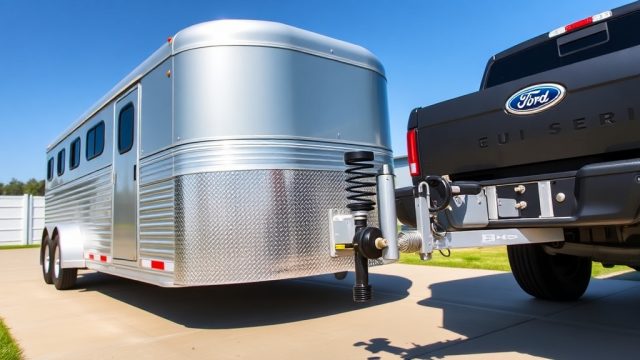
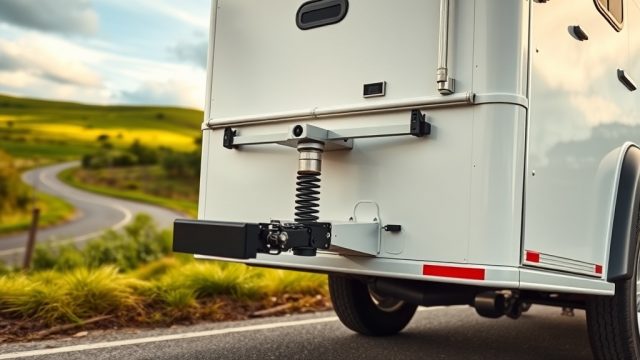
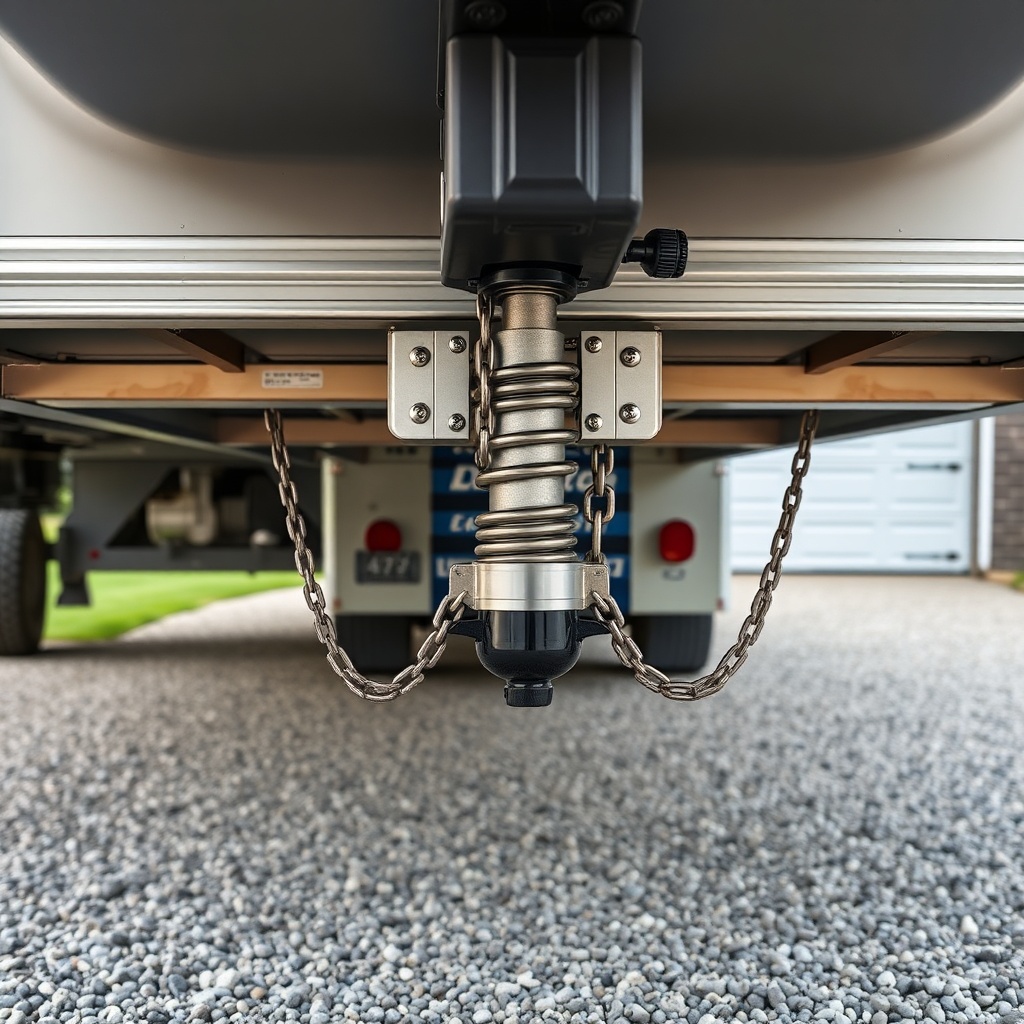
Using a gooseneck weight distribution hitch (WDH) helps transfer some of that tongue weight back to the tow vehicle axles. For the 8541, a system rated for at least 1,134 kg (2,500 lbs) tongue weight is recommended, such as the PullRite SuperGlide or Andersen Ultimate. These systems distribute the load evenly, preventing the rear of the truck from sagging and keeping the front wheels firmly planted.
What Is the Correct Tongue Weight for the Featherlite 8541?
Determining the exact tongue weight for your Featherlite 8541 requires weighing the trailer when fully loaded. The manufacturer specifies a maximum hitch weight of 1,134 kg (2,500 lbs) for the 8541 model’s gooseneck coupler. However, optimal stability is achieved at the lower end of the 20–25% range. For a typical load of two warmbloods (1,100 kg total), tack (200 kg), and water (100 kg), the loaded weight is around 3,400 kg. A tongue weight of 680–850 kg provides a good balance. To measure this, use a Sherline trailer tongue weight scale (0–1,360 kg capacity) placed under the gooseneck ball while the trailer is level.
Overloading the tongue beyond 1,134 kg can exceed the coupler’s rating and cause sway due to too much rearward weight transfer. Underloading (below 15%) is equally dangerous, as it allows the trailer to wag the truck. If you find yourself frequently below 680 kg tongue weight, consider moving spare tyres, water, or heavy tack forward in the living quarters or tack compartment of the 8541.
How Do You Set Up a Weight Distribution System on a Featherlite 8541?
Setting up a weight distribution system on a gooseneck trailer like the 8541 is different from a bumper-pull. You’ll need a gooseneck-specific hitch rated for your truck’s payload. Start by parking on level ground and measuring the height of the front and rear wheel wells of your tow vehicle (unhitched). Then, hitch the trailer fully loaded and measure again. The rear will likely drop 40–70 mm, and the front may rise slightly. Install the WDH spring bars using the included brackets on the gooseneck adapter. Tighten the chains to bring the front wheel well height back to within 3–5 mm of the original unhitched measurement.
For the 8541, the frame is reinforced around the gooseneck area, allowing attachment of the spring bar brackets. Torque all bolts to manufacturer specs (typically 190–250 N·m). A common mistake is over-tightening the chains, which lifts the trailer too much and reduces tyre contact on the tow vehicle’s rear axle. Perform a test drive over 8 km, checking for sway, and then retighten as needed. Always consult your WDH manufacturer’s instructions for specific torque values and chain link adjustment.
What Are the Most Common Hitch-Related Issues with the Featherlite 8541?
- Incorrect Ball Height: The Featherlite 8541 gooseneck coupler sits about 50 cm tall. If your truck ball height is off by more than 5 cm, the trailer will not sit level, causing uneven tyre wear and poor distribution. Measure the coupler height when the trailer is fully loaded and adjust your ball mount accordingly.
- Too Much Rear Sway: This often results from insufficient tongue weight or a WDH not properly adjusted. Ensure you have at least 20% tongue weight and that spring bars are not too loose.
- Coupler Binding: The 8541 uses a 30,000-lb rated gooseneck coupler. If it binds during tight turns, check that the lube plate is greased and the ball is the correct size (typically 2-5/16 inches).
- Lighting Harness Pin Damage: A common issue on the 8541 is the 7-way harness pin getting crushed if not unplugged carefully. This can disrupt electronic trailer brake controllers.
How Does Hitch Weight Distribution Affect Braking Performance?
Braking performance is directly linked to hitch weight distribution. When the Featherlite 8541’s tongue weight is correct and the WDH is properly set, the tow vehicle’s rear brakes receive more load, while the front brakes maintain adequate traction. If the front axle is unloaded due to excessive tongue weight without distribution, stopping distances increase by up to 30% according to SAE practice J2807 tests. For the 8541, which has electric brakes (typically two 10-inch brake drums), the trailer brakes must be properly balanced. When the tongue weight sags the rear of the truck, the trailer’s brakes may lock up prematurely because the weight transfer isn’t ideal. Ensure your brake controller (like a Featherlite 8541 Brake Controller Compatibility: Which Models Work Best?) is set to ‘electric’ mode and that the gain is adjusted after loading.
Installing a proportional brake controller that syncs with the truck’s deceleration (e.g., Tekonsha P3) is recommended. Without proper distribution, even a high-end controller cannot fully compensate for the physics of a heavy trailer pushing a lightened front end.
What Is the Ideal Tow Vehicle for the Featherlite 8541 with WDH?
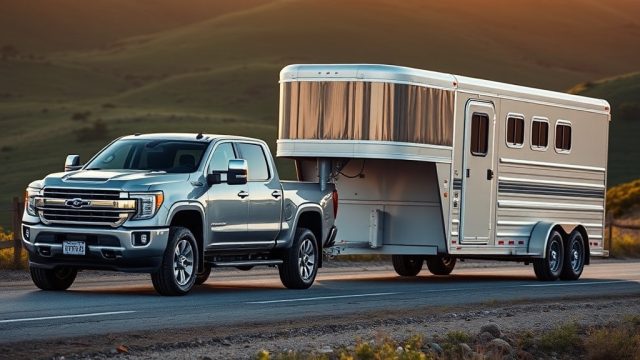
The Featherlite 8541 requires a tow vehicle with at least 4,540 kg (10,000 lbs) towing capacity and a payload rating that accommodates the tongue weight plus passengers and gear. Ideal choices include the Ford F-450 (5,670 kg payload option), Ram 3500 with twin rear wheels, or Chevrolet Silverado 3500HD. Without a WDH, these trucks can still handle the 8541, but for optimal stability, a WDH rated for your specific truck’s hitch receiver (class V, 8,000 lb tongue max) is essential. The Exiss CT 300 vs Featherlite 8541: Towing Capacity and Payload Comparison shows that while both trailers have similar GVWR, the Featherlite’s lighter frame allows for higher payload without exceeding truck limits.
For example, a 2024 Ram 3500 SRW has a payload of 1,950 kg, meaning you can load the trailer to near its GVWR as long as your tongue weight stays under 1,000 kg after subtracting your crew and gear. Using a WDH reduces the effective tongue weight on the truck by about 20–30%, giving you more margin.
Featherlite 8541 Hitch Weight Distribution Specifications
| Parameter | Value | Notes |
|---|---|---|
| Dry Weight | 2,540 kg (5,600 lbs) | Without water, horses, gear |
| GVWR | 4,536 kg (10,000 lbs) | Maximum loaded weight |
| Maximum Hitch Weight (Coupler) | 1,134 kg (2,500 lbs) | Do not exceed |
| Optimal Tongue Weight (Loaded) | 680–850 kg (1,500–1,875 lbs) | 20-25% of loaded weight |
| WDH Min Rating | 1,134 kg (2,500 lbs) | Spring bar capacity |
| Ball Size | 2-5/16 inch | Standard gooseneck |
| Typical Loaded Weight (2 horses) | 3,629 kg (8,000 lbs) | Average scenario |
What Owners Say About Hitch Setup on the Featherlite 8541
Owners consistently highlight that the Featherlite 8541 tows “like a dream” when the weight distribution is dialled in, but is “unpredictable” when it isn’t. Jane M., a competitive rider in Kentucky, states: “I tow with an F-350. Without the Andersen hitch, the truck’s front felt floaty over 65 mph. After adding the WDH and adjusting for 21% tongue weight, it’s rock solid.” Many owners recommend weighing the trailer at a CAT scale after each significant load change, as empty and loaded tongue weights differ by 200–300 kg. Common advice is to keep water tanks full (50 gallons) only when towing to use it as ballast forward of the axles, improving tongue weight.
Similarly, several owners on equestrian forums note that the 8541’s aluminium skin dent easily when hit with heavy tack boxes if not secured, but this does not affect hitch performance. The recurring theme is that the Featherlite 8541 is a lightweight trailer that excels with discipline in loading and hitch setup, not a “set-and-forget” system.
Frequently Asked Questions
Q: Can I use a Featherlite 8541 Brake Controller Compatibility: Which Models Work Best? with a weight distribution hitch?
A: Yes. Most electric brake controllers are compatible with WDH systems. Ensure the controller is set to ‘electric’ mode (not ‘hydraulic’) and the gain is adjusted after the WDH is engaged. We recommend Tekonsha P3 or Curt Spectrum.
Q: What happens if I exceed the maximum tongue weight of 1,134 kg on the 8541?
A: Exceeding this rating can cause structural failure of the gooseneck coupler, frame damage, or a broken hitch. It also overloads the tow vehicle’s rear axle and suspension, leading to loss of steering. Always weigh before towing.
Q: Can I tow a Featherlite 8541 without a weight distribution hitch?
A: Yes, but only if your truck has a high payload and the trailer is lightly loaded (e.g., empty). For typical loads with two horses, a WDH is strongly recommended for safety. Without it, expect increased sway and longer stopping distances.
Q: How often should I check the torque on the WDH fasteners?
A: Every trip. Vibration can loosen bolts. Retorque to 190 N·m for the spring bar brackets on the 8541’s frame after the first 100 miles of use, and then periodically.
Q: Does the Featherlite 8541 require a special gooseneck ball?
A: Yes, it uses a 2-5/16 inch ball with a capacity of at least 30,000 lbs. Some owners prefer a chrome-plated ball to prevent rust. No special ball type is required beyond the standard gooseneck style.
Q: How do I know if my WDH is set correctly?
A: Measure the front wheel well height of your truck unhitched, then hitched with the trailer loaded and WDH engaged. The front height should be within 3–5 mm of the original. Also, the trailer should sit level (not nose-up or nose-down).