Equi-Spirit 2 Horse Bumper Pull Tire Pressure Guide: Optimal PSI for Safe Towing
An Equi-Spirit 2 Horse Bumper Pull trailer is a lightweight yet robust choice for hauling two horses, but its tire pressure (PSI) directly impacts stability, braking, and tire longevity. Over-inflation reduces traction on wet roads, while under-inflation causes dangerous sway and heat buildup at highway speeds. This guide provides the exact PSI ranges for common tire sizes on this trailer, plus load-specific adjustments to keep your horses safe on every trip.
What is the Correct Tire Pressure for an Equi-Spirit 2 Horse Bumper Pull?
The manufacturer-recommended cold tire pressure for the Equi-Spirit 2 Horse Bumper Pull is typically 50 PSI for the standard ST205/75R15 tires (Load Range D), and 65 PSI for optional ST225/75R15 tires (Load Range E). Always verify the sidewall of your tires—if the tire is rated for a maximum of 50 PSI, never exceed it. For a loaded trailer with two horses (approx. 2,000–2,500 lbs total), start at the upper end of the range. If towing lightly (one horse or empty), drop 3–5 PSI from the max to improve ride comfort and prevent center tread wear.
| Tire Size | Load Range | Max PSI (Sidewall) | Ideal PSI (Two Horses) | Ideal PSI (One Horse) | Ideal PSI (Unloaded) |
|---|---|---|---|---|---|
| ST205/75R15 | D | 50 PSI | 48–50 PSI | 45–48 PSI | 42–45 PSI |
| ST225/75R15 | E | 65 PSI | 62–65 PSI | 58–62 PSI | 55–58 PSI |
| ST215/75R14 (rare) | C | 35 PSI | 33–35 PSI | 30–33 PSI | 28–30 PSI |
Note: The ST215/75R14 is not standard on recent models—always check your trailer’s VIN plate or owner’s manual for original tire specs.
Why Does Under-Inflation Cause Dangerous Sway in the Equi-Spirit?
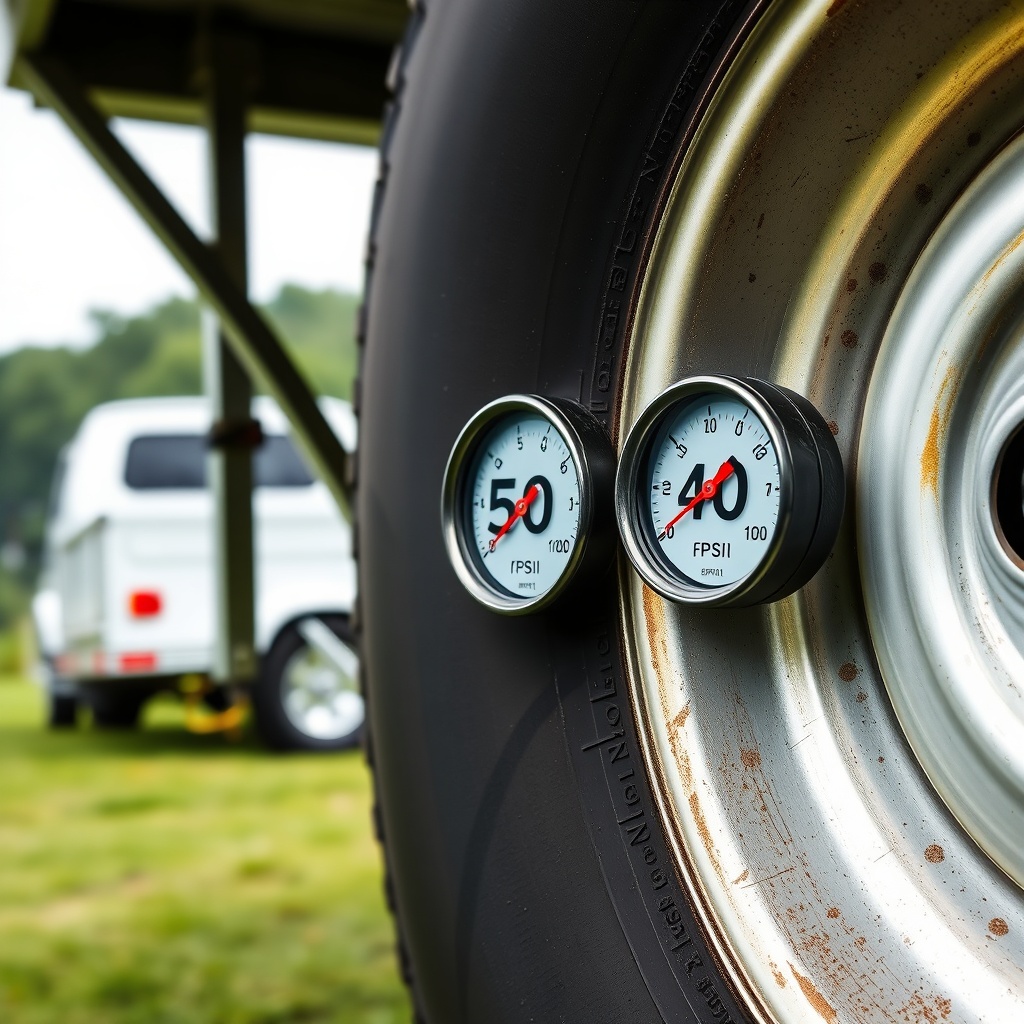
Under-inflated tires reduce the contact patch shape, making the trailer’s rear end more likely to wander at speeds above 55 mph. The Equi-Spirit’s torsion axle suspension already has some lateral flexibility; soft tires amplify this, causing the trailer to “wag” behind the tow vehicle. A drop from 50 PSI to 40 PSI increases rolling resistance by roughly 15%, which also raises tire temperature and can lead to blowouts on long climbs. For safe towing, always check cold pressure before each trip—even a 5 PSI loss can degrade handling noticeably, especially when loaded with horses.
How Does Tire Pressure Affect Braking Distance on the Equi-Spirit?
The Equi-Spirit 2 Horse Bumper Pull uses surge brakes (standard) or optional electric brakes. Tire pressure directly influences braking because a properly inflated tire provides maximum friction. At 45 PSI (instead of 50 PSI), stopping distance from 60 mph can increase by 10–12 feet on dry pavement. On wet roads, under-inflated tires hydroplane easier—the reduced pressure flattens the tread pattern, trapping water underneath. If you carry two horses weighing 1,200 lbs each, ensure your tires are at the upper end of the recommended PSI (48–50 PSI on ST205/75R15) to preserve effective braking force.
What Tire Pressure Should I Use in Hot Weather for the Equi-Spirit?
Driving on a 95°F day with asphalt temperatures above 130°F can increase tire pressure by 4–6 PSI from friction alone. For the Equi-Spirit 2 Horse Bumper Pull, start with 46–48 PSI (cold) if using ST205/75R15 tires, allowing the pressure to rise to 52–54 PSI while driving but still staying within the tire’s 50 PSI max sidewall rating during expansion. Never bleed hot air from tires to lower pressure—this creates under-inflation when the tires cool down. If you’re towing in extreme heat with a full load, lower your speed to 60 mph and inspect pressures after 2 hours of driving. Running 50 PSI cold in 100°F heat can exceed the tire’s limit by 3–5 PSI once hot; reducing cold pressure by 2 PSI mitigates this risk. Compare this to the thermal stability of the trailer’s Equi-Spirit 2 Horse Bumper Pull vs Featherlite 8541: Lightweight Trailers Compared for insights into axle and rubber differences.
How to Monitor Tire Pressure on the Equi-Spirit 2 Horse Bumper Pull While Towing?
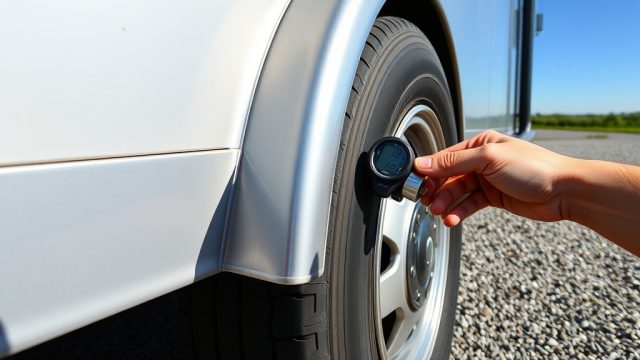
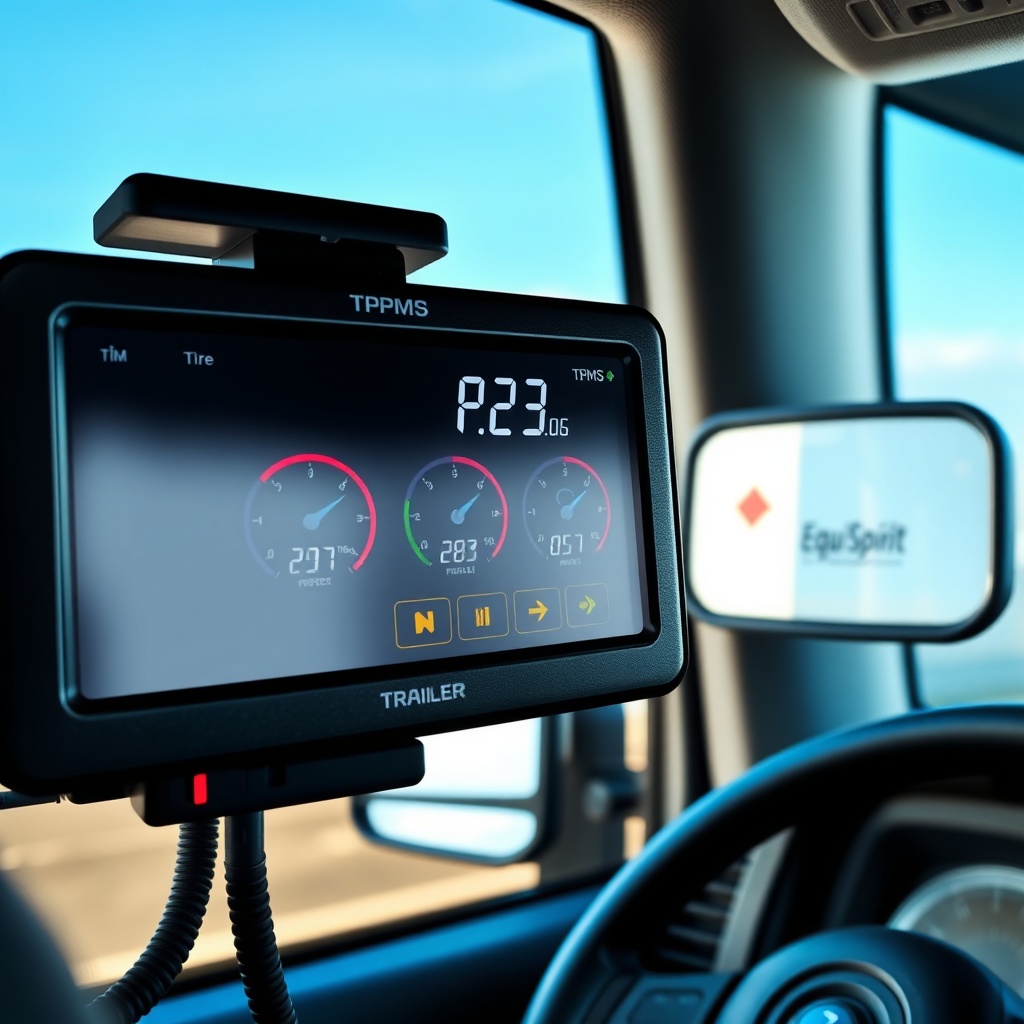
Consider installing a Tire Pressure Monitoring System (TPMS) with internal sensors rated to 70 PSI. These sensors screw onto the valve stems and display real-time pressure and temperature on a small monitor in your tow vehicle. For the Equi-Spirit, place sensors on all four trailer tires plus the spare. The threshold to set alerts: trigger a warning if pressure drops more than 15% below your target (e.g., if set at 50 PSI, alert at 42.5 PSI). Also enable a temperature alert at 175°F—that signals a possible bearing failure or brake drag, not just tire heat. Avoid using external “cap” sensors as they can leak on rough roads and are less accurate than direct-read units.
What Tire Pressure for Winter and Cold Climates with the Equi-Spirit?
Cold weather reduces tire pressure by roughly 1 PSI for every 10°F drop in temperature. If you inflate your Equi-Spirit’s tires to 50 PSI in a 70°F garage, driving into 30°F conditions will see pressure fall to 46–47 PSI. This still falls within the safe zone, but if temperatures plunge to 10°F, pressure can drop to 42–43 PSI—which is borderline for two-horse loads. To compensate, inflate tires to 52–54 PSI (cold) on a mild day if you expect to travel in sub-freezing temps. This stays under the max rating since the cold will lower pressure. Do not exceed 50 PSI if your tire sidewall max is 50 PSI; instead, reduce load to one horse, or wait for warmer conditions. Always check pressure again after the trailer sits for 3 hours in the cold, as the drop might be more than anticipated.
What Owners Say About Tire Care on the Equi-Spirit 2 Horse Bumper Pull
Experienced owners on horse trailer forums consistently note that the standard ST205/75R15 tires (Marathon or Goodyear) require frequent checks. “I had a blowout at 60 PSI because I ran them 5 PSI under max—the heat melted the sidewall. I now run exactly 50 PSI cold and use a digital gauge,” writes John T. from Texas. Another owner reports that switching to LT235/75R15 tires (with LRD rating) improved stability when towing two warmbloods, but requires wheel rim upgrades. Most concur high PSI is preferable for highway travel, while lower PSI (42–45) is acceptable for short, low-speed trips on dirt roads. The Equi-Spirit trailer’s lightweight construction (around 2,400 lbs empty) means tire under-inflation is more noticeable than on heavier models like the Featherlite. For a deeper dive into how the Equi-Spirit compares, read our Equi-Spirit 2 Horse Bumper Pull vs Featherlite 8541: Lightweight Trailers Compared article.
Frequently Asked Questions
Can I use a tire pressure different from the sidewall max?
Yes, but only within the recommended range for your load. For the Equi-Spirit 2 Horse Bumper Pull, staying 2–5 PSI below max is fine for lighter loads or rough roads. Never exceed max PSI, and always adjust based on actual trailer weight.
How often should I check tire pressure on this trailer?
Check cold pressure before every tow trip. If used weekly, inspect weekly. For seasonal use, check monthly during storage because tires can lose 1–2 PSI per month naturally. Also, check after long trips when tires have cooled for 2+ hours.
What happens if I tow with different PSI on left vs. right tires?
Uneven pressure (e.g., 48 PSI left, 44 PSI right) causes the trailer to pull to the side with lower pressure. This forces steering correction and can accelerate tire wear on the lower-pressure side. Always match all four tires within 2 PSI of each other.
Is the spare tire pressure the same as the road tires?
Yes. Inflate the spare to the same max PSI as the road tires (e.g., 50 PSI for ST205/75R15). Spares are often stored flat and lose pressure faster; check it every season. A spare at 35 PSI is useless in an emergency.
Can I switch to LT tires for higher pressure?
You can, but only if the rims are rated for higher pressures. Standard Equi-Spirit trailer rims (usually 15×6.5 or 15×6) are stamped for 60 PSI max. LT225/75R15 tires (Load Range E) require 65 PSI, which might exceed rim ratings—consult the manufacturer or a tire shop first.
Does tire pressure affect horse comfort?
Indirectly yes. Lower tire pressure (45–48 PSI) smooths out rough rides because the tire absorbs more road shock, but it increases rolling resistance and heat. For horse comfort, use the recommended PSI for your load and also consider dropping speed on bad roads.
For more on tire specifications and stability, compare the Equi-Spirit side-by-side with its competitors in our Equi-Spirit 2 Horse Bumper Pull vs Featherlite 8541: Lightweight Trailers Compared guide. Proper tire maintenance starts with knowing your PSI—keep a digital gauge in your tow vehicle and check every trip.