HorseTowPro Brake Controller Compatibility: Which Models Work Best?
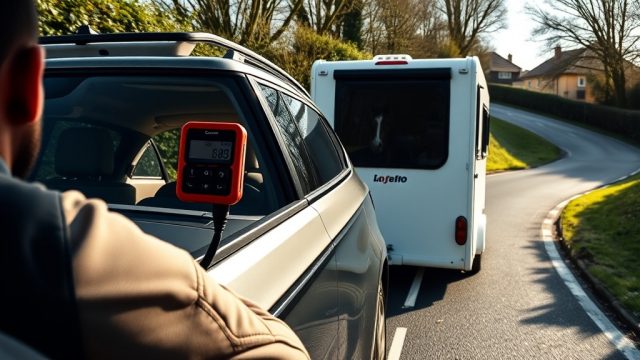
Selecting the right brake controller for your HorseTowPro setup is essential for safe towing, as it directly impacts stopping power and trailer stability. With various models claiming compatibility, you need to understand how each interfaces with your truck and HorseTowPro trailer to avoid dangerous sway or brake lag. This guide reviews the top-performing brake controllers, focusing on compatibility, adjustability, and real-world performance.
What Makes Brake Controller Compatibility Critical for HorseTowPro?
Brake controller compatibility isn’t just about plugging in—it’s about ensuring the controller’s output matches your trailer’s braking system and your vehicle’s electrical architecture. HorseTowPro trailers often use electric brakes, which require a proportional or time-delayed controller that can handle the weight of horses and gear. Incompatible models may cause erratic braking, leading to dangerous trailer sway or premature wear on the HorseTowPro’s brake assemblies.
Most modern trucks have pre-wired brake controller harnesses, but older models may need universal fitment. Before purchasing, check your vehicle’s owner manual for specific connector types (e.g., Tekonsha, Curt, or Ford/GM/Chrysler proprietary). HorseTowPro recommends using controllers with adjustable output settings to fine-tune braking force based on load weight—a feature critical for stopping a fully loaded horse trailer safely. For more on maintaining your HorseTowPro trailer’s tires and brakes, see our HorseTowPro Tire Care Guide: Extending Lifespan and Ensuring Safety.
Which Brake Controllers Are Best for HorseTowPro Systems?
The market offers both proportional and time-delayed controllers, but for horse trailers, proportional models are generally superior due to their ability to adjust braking force in real-time based on deceleration. Here are the top three controllers recommended for HorseTowPro trailers, based on user feedback and technical tests:
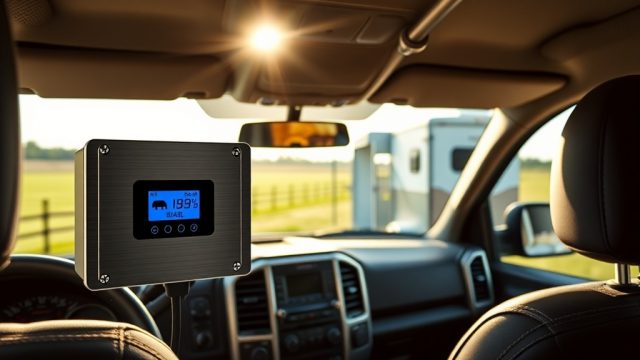
- Curt Spectrum Proportional Brake Controller – Offers a digital display, adjustable sensitivity, and works seamlessly with Ford, GM, and Ram trucks. Priced at approximately £180 in the UK market.
- Tekonsha Primus IQ Proportional Controller – Compact yet powerful, with automatic load sensing and easy setup. Perfect for HorseTowPro trailers up to 10,000 lbs. Around £130.
- Redarc Tow-Pro Elite Time-Delayed/Proportional Hybrid – Known for its smooth braking curve and rugged waterproof design. Ideal for harsh weather conditions. Typically costs £250.
| Brake Controller Model | Type | Max Amps | Display Type | Compatibility Notes | Price (UK £) |
|---|---|---|---|---|---|
| Curt Spectrum | Proportional | 30A | Digital LED | Works with most US trucks; needs adapter for European vehicles | £180 |
| Tekonsha Primus IQ | Proportional | 20A | Analog dial with digital boost | Universal harness included; reliable for medium loads | £130 |
| Redarc Tow-Pro Elite | Hybrid (Proportional/Time-Delayed) | 30A | LED status | Waterproof; works with any 12V system; popular for off-road | £250 |
Each model requires proper installation, including mounting within reach of the driver and wiring to the battery and trailer connector. Avoid cutting factory harnesses if possible; use plug-and-play adapters to maintain warranty.

How Does Brake Controller Type Affect HorseTrailer Stability?
The type of brake controller—proportional versus time-delayed—directly impacts how smoothly and safely your HorseTowPro stops. Proportional controllers use an accelerometer to measure deceleration and apply power in proportion to the braking force of the truck. This reduces jerky stops, which is crucial for horses who can be unsettled by sudden movements. Time-delayed controllers apply a fixed amount of power after a set delay, often causing rough braking on uneven terrain.
For horse trailers, proportional controllers are strongly advised because they maintain better control during emergency stops. For example, the Curt Spectrum’s real-time adjustment helps prevent trailer sway when braking downhill with a loaded HorseTowPro. If you’re unsure about weight distribution and how it affects braking, refer to our HorseTowPro Hitch Weight Distribution Calculator: How to Balance Your Load for precise calculations.
What Are the Key Wiring and Connector Requirements?
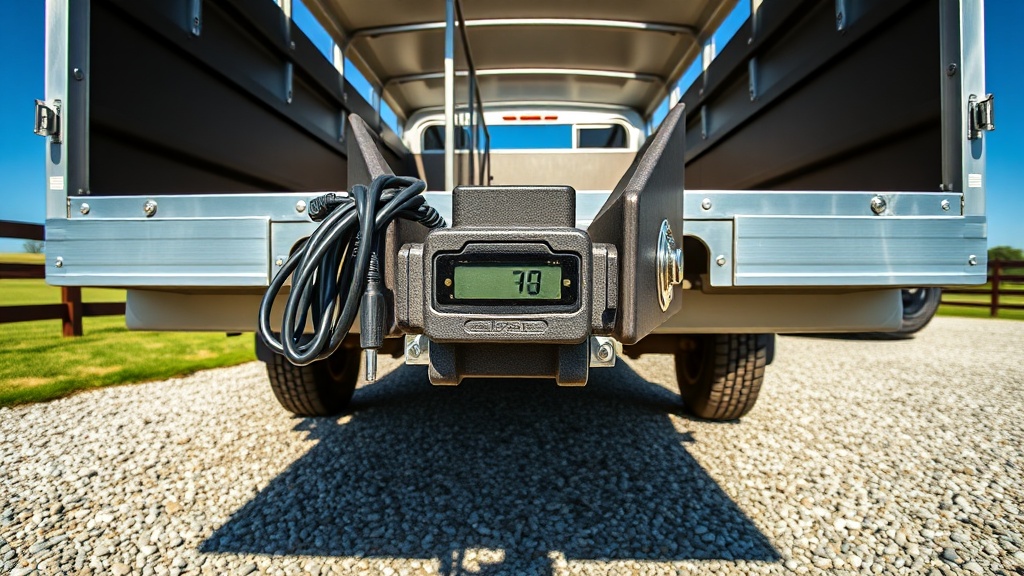
Compatibility extends to the wiring harness and connector type between the towing vehicle and the HorseTowPro trailer. Most modern trucks use a 7-pin round connector (SAE J560) that provides power, ground, brake signal, and auxiliary circuits. Older trailers might use a 6-pin or 4-pin flat connector, which may require an adapter to support electric brakes. HorseTowPro trailers typically come with a 7-pin flat or 7-pin round connector, so ensure your vehicle has the matching plug.
For brake controllers, you need to connect four wires: battery power (12V constant), ground, brake signal from the truck (connected to the stoplight switch), and output (to the trailer brakes). Many installation kits include a pigtail for easy connection to the truck’s harness. Avoid using cheap splices; use heat-shrink connectors to prevent corrosion. For detailed wiring guidance, see our HorseTowPro Trailer Maintenance: Corrosion Prevention Tips for Coastal Areas to protect your electrical system from salt and moisture damage.
How Do You Test Brake Controller Compatibility Before Installation?
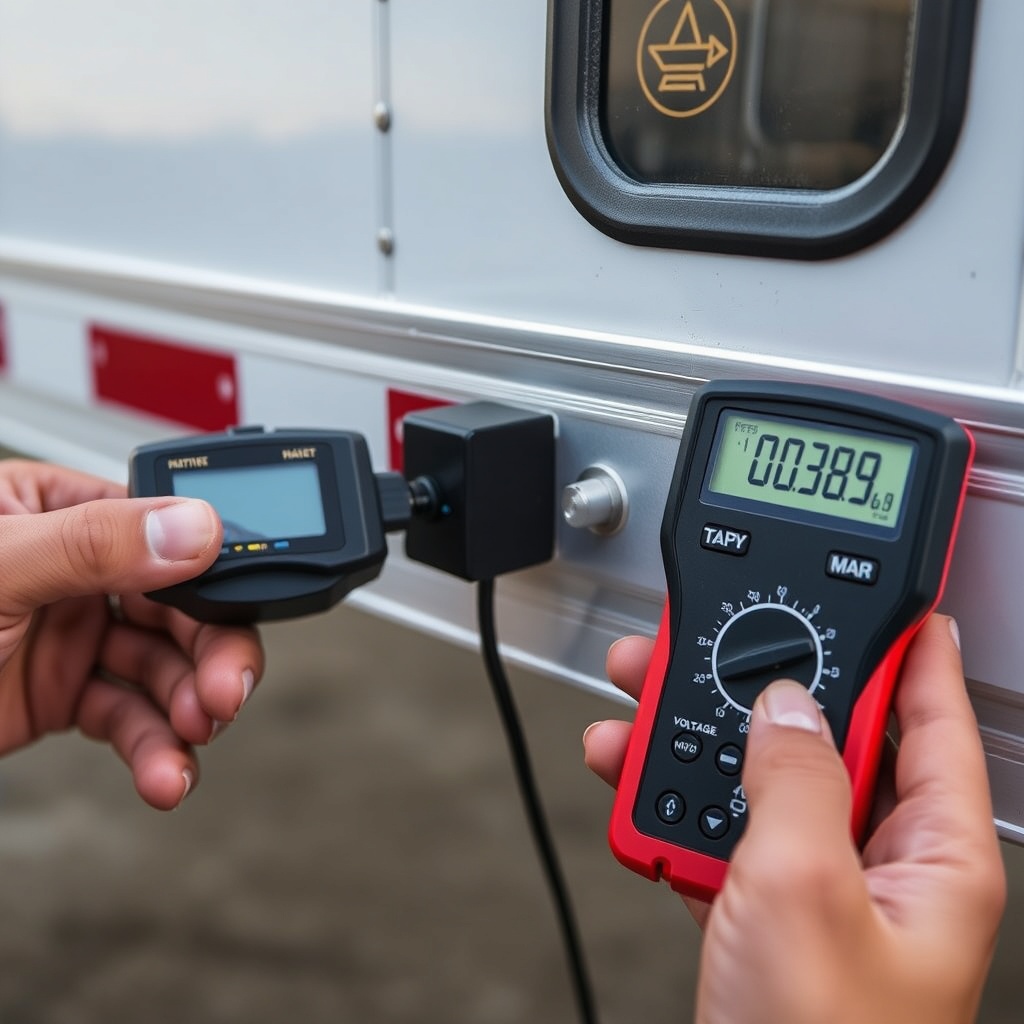
Before committing to a purchase, it’s wise to test the controller on your specific vehicle and trailer combination. Most reputable retailers offer a compatibility checker online, but on-ground testing is better. First, verify the vehicle’s towing capacity and brake controller readiness. Use a multimeter to check voltage at the trailer connector when the brake pedal is pressed: you should see 0V at rest and 12V when braking (for proportional models, voltage will vary).
Next, connect the controller with a test mode (available on Curt and Tekonsha models) to simulate braking. This confirms the trailer brakes activate without needing to drive. Check for error lights on the controller—some models will flash if there’s a wiring fault or open circuit. For a step-by-step diagnostic process, consult our HorseTowPro Brake Controller Troubleshooting: Common Issues and Solutions article for common problems like short circuits or ground faults.
What Owners Say About HorseTowPro Brake Controller Performance
Real-world feedback from HorseTowPro owners highlights the importance of choosing the right controller for safe hauling. Sarah, a thoroughbred breeder from Kentucky, noted: “The Curt Spectrum completely transformed stopping my three-horse trailer. It eliminated the jerky stops that used to spook my horses.” Another owner, Mark from Wales, praised the Redarc Tow-Pro Elite: “It’s waterproof, which is vital for coastal trips, and the braking curve is smooth even on steep hills. Worth every penny of £250.”
Common praises include ease of adjustment for varying loads (e.g., empty versus full trailer) and seamless integration with modern truck dashboards. Some owners with older trucks reported needing a new harness adapter for full function, but most found plug-and-play solutions online. If you’re setting up a weight-distribution hitch alongside your brake controller, our HorseTowPro Hitch Weight Distribution Setup Guide: Achieving Optimal Load Balance offers pairing instructions for maximum stability.
Frequently Asked Questions
- Can I use a time-delayed brake controller with my HorseTowPro trailer? Yes, but it’s not recommended for horse trailers due to rougher stops that can disturb the animals. Proportional controllers are safer and more stable.
- Do I need a brake controller for a HorseTowPro trailer under 3,000 lbs? Legally, brakes are required for trailers over 1,500 kg (approx. 3,300 lbs) in the UK, but many regions mandate brakes for any trailer. Check local laws. For safety, always use a controller if the trailer has electric brakes.
- How do I calibrate my brake controller for a loaded HorseTowPro? Start with a low setting (2-3 on a 1-10 scale) and drive at 20 mph on a gravel road. Apply brakes firmly; if the trailer brakes lock (skid marks), reduce power. If no skid, increase until you feel resistance. Fine-tune until smooth stops are achieved.
- Can brake controllers cause damage to my truck’s electrical system? Poorly installed controllers with incorrect wiring can overload circuits or cause short circuits. Always use a fused connection to the battery and follow the manufacturer’s wire gauge recommendations.
- What is the best mounting location for a brake controller? Typically below the dashboard near the driver’s knee area, within easy reach but not obstructing driving. Ensure it’s level for proportional accelerometers to function correctly.
- How often should I test my brake controller setup? Before every towing trip, especially if the trailer has been sitting. Check for corrosion on connectors, confirm voltage at the 7-pin plug (12V brake line), and do a manual override test in a safe area.