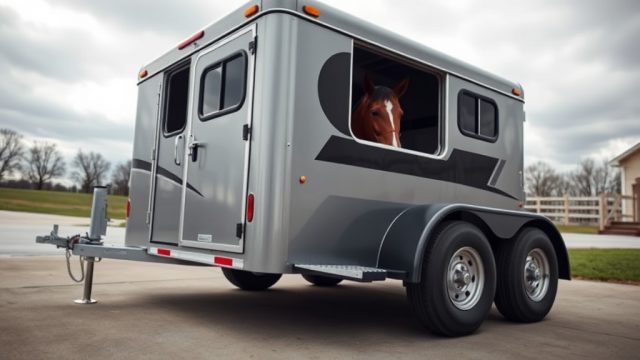
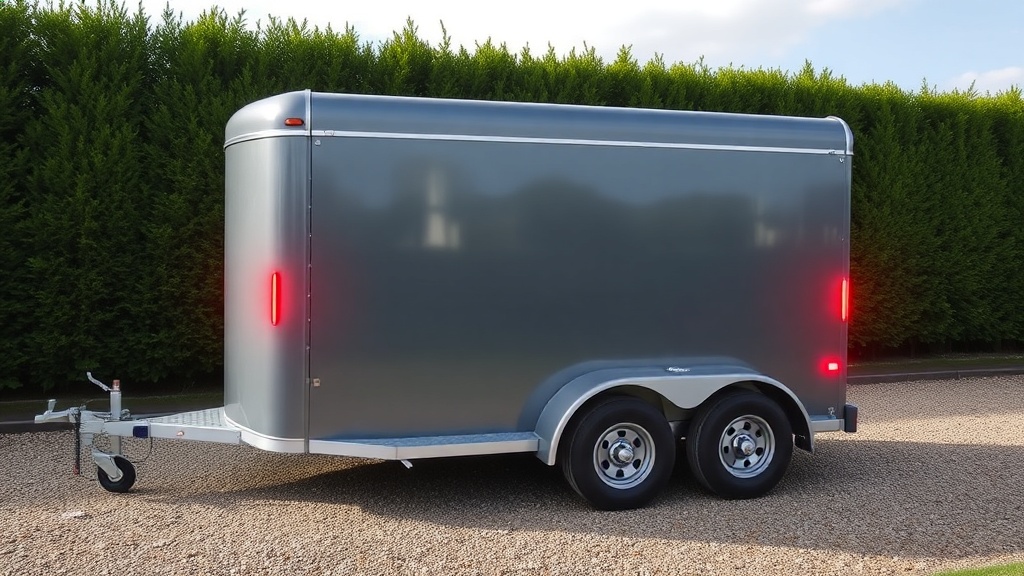
Why Upgrade Your HorseTowPro Trailer Lights?
When hauling horses, trailer lighting is not just a legal requirement—it’s a critical safety system that directly affects visibility on the road. HorseTowPro trailer owners frequently face the decision between traditional incandescent bulbs and modern LED upgrades. This guide breaks down the practical differences, costs, and long-term benefits of each option, helping you choose the best conversion for your towing setup.
How Do LED and Incandescent Trailer Lights Compare in Performance?
LED (light-emitting diode) and incandescent bulbs operate on fundamentally different principles. Incandescents use a heated filament that glows, while LEDs rely on a semiconductor to produce light with far less heat. For a HorseTowPro trailer, this difference translates into measurable advantages:
- Brightness: LEDs output 2–3 times more lumens per watt, making them far more visible in daylight and heavy rain.
- Response time: LEDs illuminate almost instantly (microseconds) versus incandescent bulbs that take 200–300 milliseconds to reach full brightness—critical for brake light signals.
- Durability: LEDs resist shock and vibration from rough roads, whereas incandescent filaments are prone to snapping under the constant jostling of a horse trailer.
- Power draw: A typical incandescent tail light draws about 0.5–1 amp, while an LED equivalent draws just 0.1–0.2 amps, reducing strain on the truck’s electrical system.
For long hauls, these differences compound. Your HorseTowPro’s wiring and alternator last longer with LEDs because of the lower current draw. Additionally, LED lenses never yellow or cloud like some incandescent housings, maintaining clarity for years.
What Are the True Costs of Converting a HorseTowPro Trailer to LED?
Conversion costs vary widely based on the number of lights and what you choose to replace. Below is a realistic breakdown for a standard two-horse HorseTowPro trailer:
| Component | Incandescent Replacement Cost (each) | LED Upgrade Cost (each) | Labour (DIY vs shop) |
|---|---|---|---|
| Tail light (stop/turn/tail) | £12–£20 | £35–£55 | DIY: 45 min; shop: £80–£120 |
| Side marker light | £5–£8 | £12–£20 | DIY: 20 min; shop: £40–£60 |
| License plate light | £4–£7 | £10–£15 | DIY: 15 min; shop: £30–£45 |
| Turn signal (clearance) | £8–£12 | £20–£30 | DIY: 25 min; shop: £50–£70 |
| Full kit (all 10 lights) | £75–£120 | £200–£350 | DIY: 3–4 hrs; shop: £250–£400 |
While LEDs cost 2–3 times more upfront, their lifespan (30,000–50,000 hours versus 1,000–2,000 hours for incandescent) means you will rarely replace them. Over a decade of regular towing, LED conversions save £150–£250 in bulb replacements alone. If you perform the work yourself using a HorseTowPro Trailer Light Conversion Guide, you avoid labour charges entirely.
Can You Mix LED and Incandescent Lights on Your HorseTowPro Trailer?
Yes, but with careful planning. The biggest concern is electrical compatibility. Incandescent bulbs rely on a certain resistance to trigger the flasher relay in your tow vehicle. If you replace only some bulbs with LEDs, the reduced resistance can cause hyper-flashing (rapid blinking) or failure of the turn signals. Solutions include:
- Load resistors: These wire in parallel to each LED lamp to mimic the resistance of an incandescent bulb. Each resistor costs about £5–£8 and must be properly heat-sinked.
- LED-specific flasher relay: Swap out the stock relay in your truck’s fuse box with one designed for LEDs. This costs £10–£20 and solves hyper-flashing system-wide.
- Complete conversion: Most experts recommend converting a single circuit (e.g., all tail lights or all turn signals) at once to avoid mixed loads.
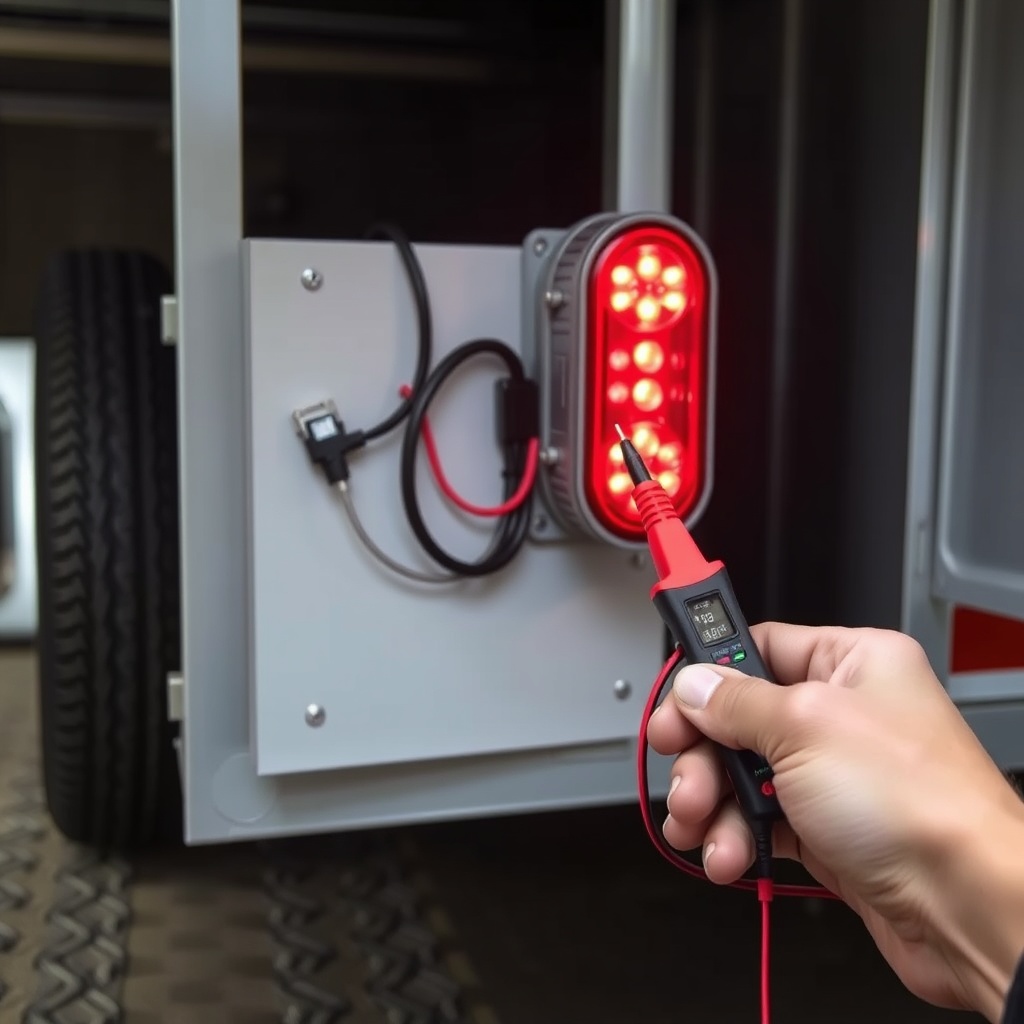
If you plan to keep some incandescent bulbs (e.g., backup lights), install diodes in the wiring to prevent feedback. A small test light and multimeter will confirm the circuit health after conversion. Poor wiring can lead to short circuits, so inspect all connections as outlined in our HorseTowPro Trailer Bearing Maintenance: Repack and Replace Schedule for Long Hauls guide.
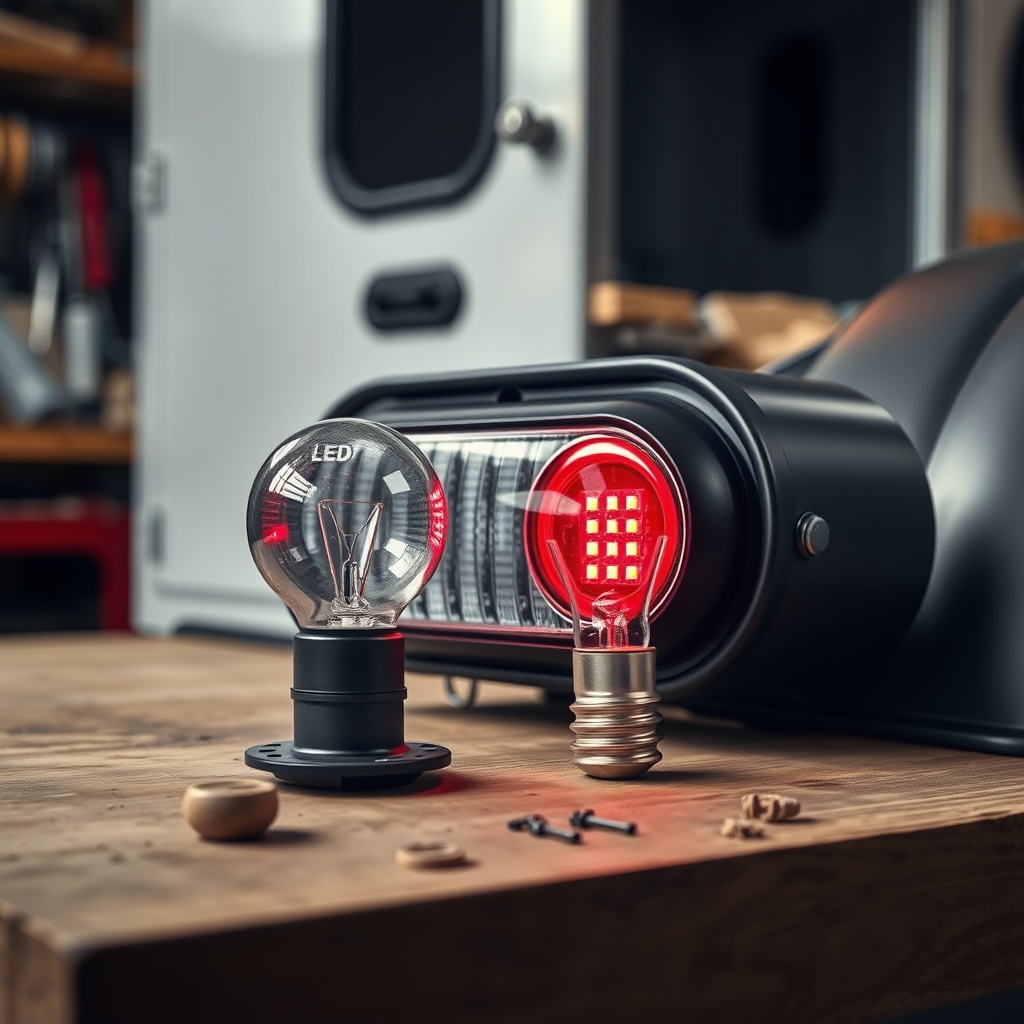
How Long Do LED Conversions Last on HorseTowPro Trailers?
LEDs are rated for 30,000 to 50,000 hours of continuous operation—that is 3.4 to 5.7 years if left on 24/7. For a horse trailer used 200 hours per year (the average for a recreational owner), LEDs last 150–250 years in theory. In practice, the weak links are the housing seals, wiring connections, and voltage spikes from your tow vehicle’s alternator.
Here are realistic lifespan expectations for a HorseTowPro trailer in the UK climate:
- Sealed LED units (e.g., Grote or Truck-Lite aftermarket): 10–15 years before seal failure causes moisture ingress.
- DIY-converted LED bulbs in original housings: 5–8 years because the housing was not designed for LED heat dissipation.
- Incandescent bulbs (OEM): 1–3 years, often failing due to filament vibration from towing.
To maximize LED life, verify your alternator output does not exceed 14.5 volts, as higher voltages can damage LED drivers. Using a voltage stabilizer (about £40) can protect the entire light system. For axle-related maintenance that affects electrical grounding, see our HorseTowPro Trailer Axle Bearing Repack Guide: Step-by-Step for Longevity.
What Are the Wiring Challenges When Converting HorseTowPro Trailers?
HorseTowPro trailers use a standard 7-pin round connector (SAE J560) for UK and European use. During conversion, you must account for polarity: LEDs are polarity-sensitive, meaning they work only when wired correctly (positive to positive). Switch wires accidentally, and your new lights will not work—but they will not be damaged as long as you reverse them promptly.
Common wiring pitfalls include:
- Corroded ground connections: The trailer frame must have a solid ground wire (usually white) bolted to clean, bare metal. Rust can cause intermittent LED failure.
- Improper wire gauge: LEDs draw less current, so you can use thinner gauge wire (e.g., 18 AWG) for new runs, but if you reuse existing incandescent-rated wiring, ensure it is not undersized for the whole circuit.
- No diode isolation: If you keep incandescent bulbs on one side and LEDs on the other, you may need diodes to prevent the constant “ON” state of the LED from back-feeding.
Before soldering or using heat-shrink connectors, test each circuit with a 12V battery. Document your wiring as you go to simplify future troubleshooting. If you also maintain the trailer’s undercarriage, check the HorseTowPro Trailer Axle Bearing Maintenance: Repack and Replace Schedule for Long Hauls for grounding issues caused by rusty bearings.
What Owners Say About Their HorseTowPro LED Conversions
Owner feedback across UK equestrian forums and trailer workshops consistently highlights three themes: improved visibility, fewer blown bulbs, and easier maintenance. Sarah from Devon reported: “I replaced the old bulbs on my 2015 HorseTowPro with a full LED kit from a reputable brand. The difference at dusk—even in the rain—was night and day. No more squinting to see the brake lights.” Another owner, Mark from Cheshire, noted: “After 18 months, zero failures. With incandescents I was replacing a bulb every other trip.”
Some owners caution about cheap LED imports that fail within a year due to poor seals. They recommend sticking with brands such as Wipac, Ring, or Hella, which are common in UK trailer parts supply. The general consensus is that converting a HorseTowPro to all LEDs is a one-and-done upgrade that pays for itself in reduced hassle during pre-trip inspections.
Frequently Asked Questions
Can I convert only the tail lights to LED and keep everything else incandescent?
Yes, but you may need a load resistor on each tail light circuit to prevent the flasher from hyper-flashing. Alternatively, swap your tow vehicle’s flasher relay for an LED-compatible unit (around £15).
Will LED lights pass a UK MOT test on my HorseTowPro trailer?
Yes, as long as the LEDs meet ECE approval standards (look for an E-mark on the lens). Most aftermarket LED lights for trailers are ECE R7 approved and will pass MOT inspection for colour, brightness, and operation.
How do I know if my HorseTowPro’s wiring can handle LEDs without overheating?
Because LEDs draw less current than incandescents, the existing wiring is more than adequate. However, inspect the insulation for cracks or corrosion, as the switch to lower current can reveal pre-existing faults. Use a multimeter to check continuity.
What is the best brand for LED trailer lights in the UK for a HorseTowPro?
Wipac (often OEM on British trailers) and Truck-Lite are top choices. For a budget-friendly but reliable option, Britax (made by Caterpillar) offers sealed LED units at £30–£45 per tail light. Always verify the mounting pattern matches your HorseTowPro’s housing.
Do I need to change the trailer’s wiring harness for a full LED conversion?
No, the existing 7-pin harness works. But if your trailer has separate ground wires per light, upgrade to a common ground bus bar to reduce resistance. This is especially helpful if you tow with a modern truck that monitors voltage drops.
Can I install LED lights myself, or do I need a professional?
DIY is straightforward if you have basic soldering skills and a multimeter. Expect 3–4 hours for a full kit. If your trailer has complex wiring (e.g., additional interior lights or horse ramp sensors), a professional installation (£250–£400 parts and labour) ensures proper sealing and reduces risk of moisture damage.