Equi-Spirit 2 Horse Bumper Pull vs Featherlite 8541: Lightweight Trailers Compared
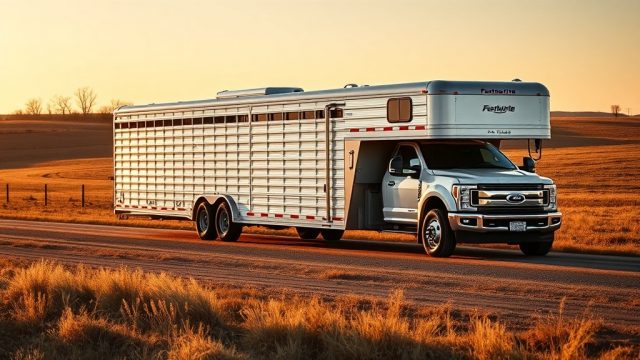
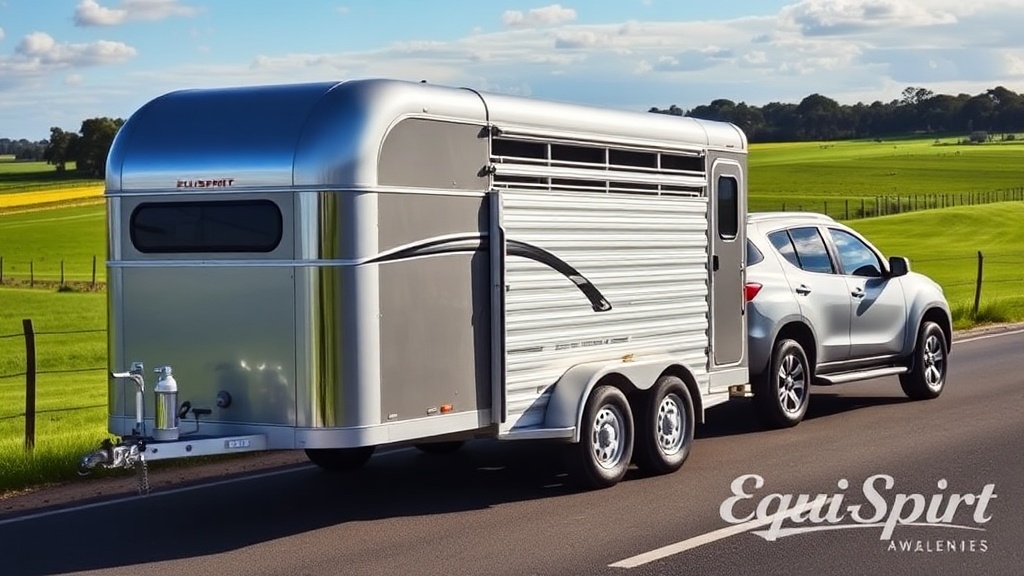
When it comes to hauling two horses without the bulk of a gooseneck, the Equi-Spirit 2 Horse Bumper Pull and the Featherlite 8541 stand out as top contenders in the lightweight trailer segment. This comparison dives into build quality, towing characteristics, and real-world owner feedback to help you determine which model suits your equestrian needs and budget. Both trailers are popular in Australia for their reduced weight and ease of handling, but they offer distinct features that cater to different hauling preferences.
What is the weight difference between these trailers and how does it affect towing?
The Equi-Spirit 2 Horse Bumper Pull boasts an impressive unloaded weight of just 1,050 kg (2,315 lbs), making it one of the lightest two-horse bumper pulls on the market. This is achieved through a monocoque aluminium body that eliminates a separate chassis, significantly reducing overall mass. In comparison, the Featherlite 8541 tips the scales at approximately 1,200 kg (2,645 lbs) unloaded, due to its dedicated aluminium frame and composite sidewalls.
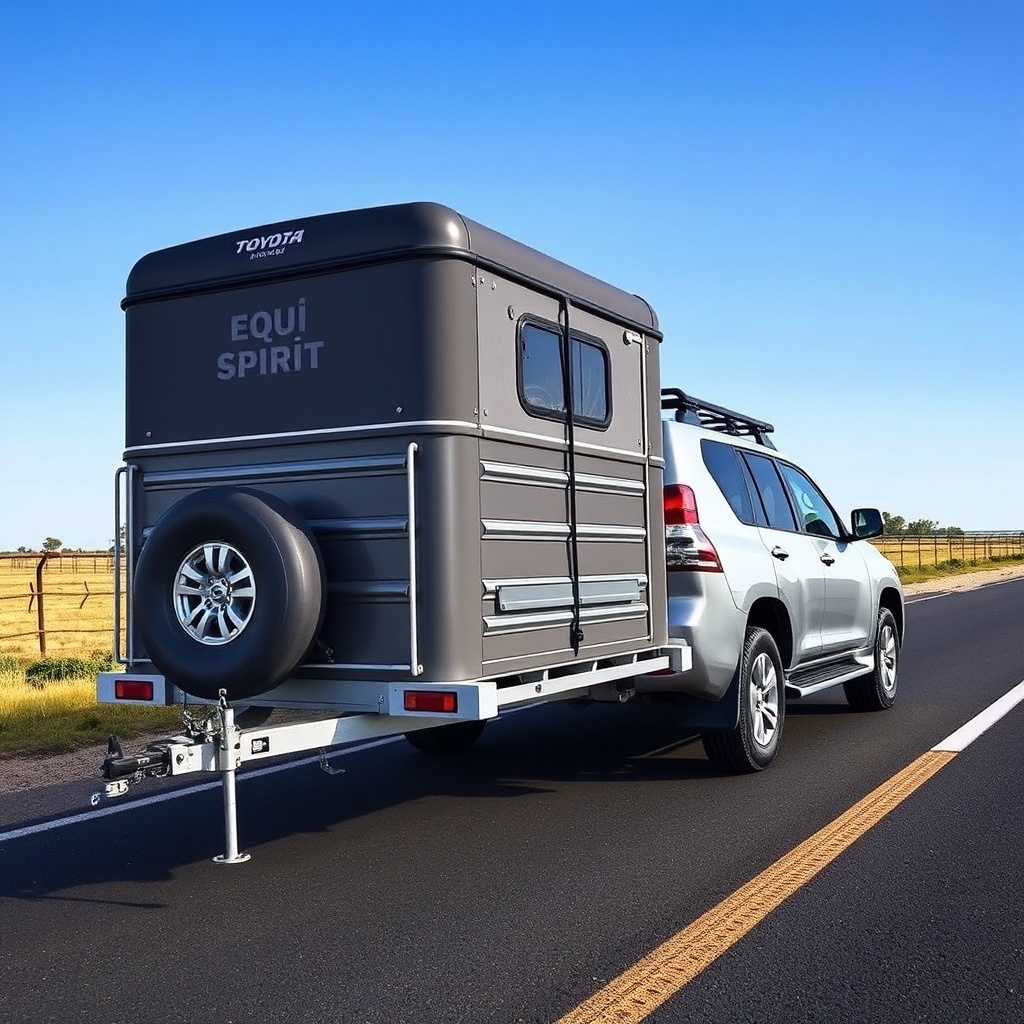
The weight advantage of the Equi-Spirit directly translates to a lower tow vehicle requirement. Many Australian owners report towing the Equi-Spirit with mid-size SUVs like the Toyota Prado or Ford Everest without strain. The Featherlite 8541, while still lightweight, may necessitate a larger tow vehicle, such as a LandCruiser 200 Series or a ute with a higher payload rating. Both trailers feature torsion bar suspension for smooth riding, but the Equi-Spirit’s lighter kerb weight contributes to better fuel economy and reduced strain on the tow vehicle during long trips.
For those maintaining lightweight trailers, the reduced mass also means less wear on tyres and brakes over time, though the Equi-Spirit’s advanced suspension requires specific servicing intervals.
How do the interior dimensions and horse space compare?
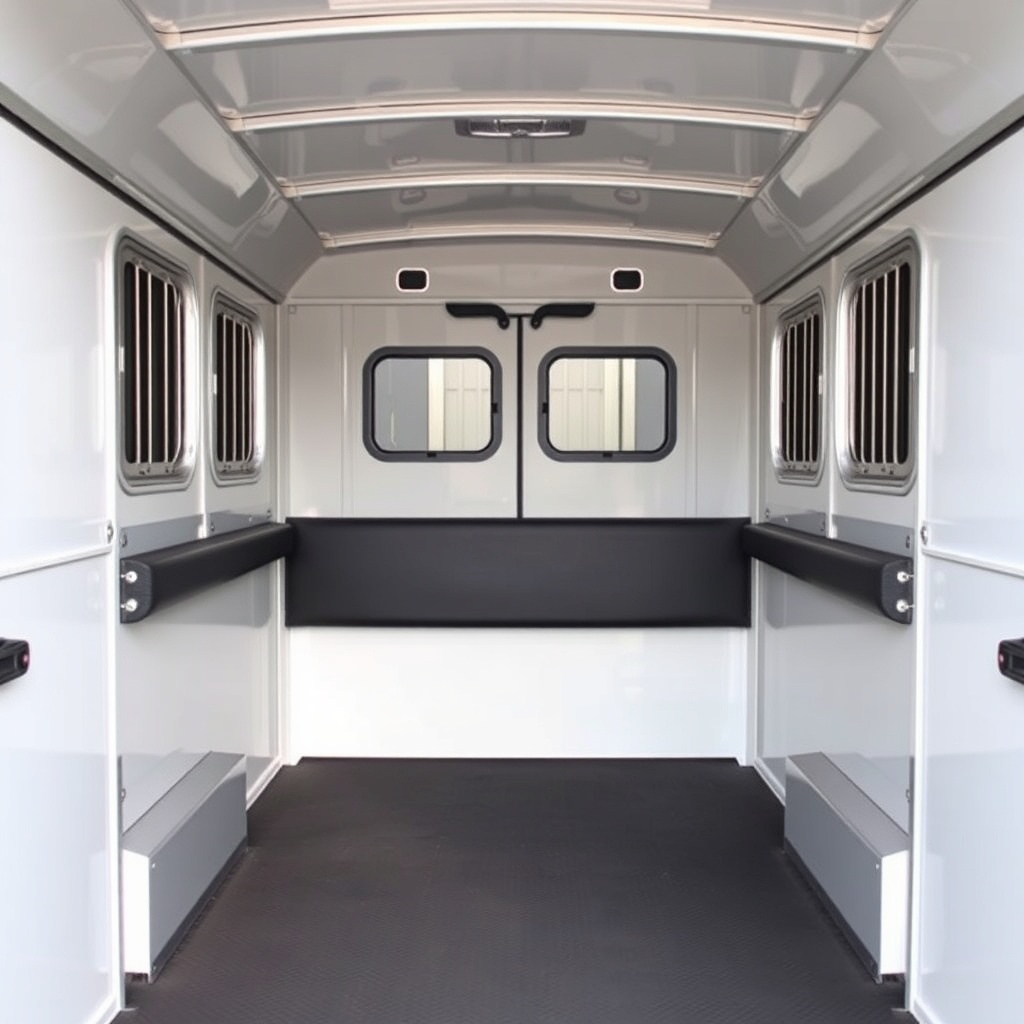
Interior space is crucial for horse comfort, and these two trailers approach it differently. The Equi-Spirit 2 Horse Bumper Pull offers a width of 2.0 metres (6.6 ft) and a height of 2.1 metres (6.9 ft), with a length of 3.6 metres (11.8 ft) from the back of the tack area to the rear door. The Featherlite 8541 provides a slightly wider interior at 2.05 metres (6.7 ft) but a lower ceiling at 1.98 metres (6.5 ft), and a length of 3.55 metres (11.6 ft).
The Equi-Spirit’s taller roof is a significant advantage for larger horses, particularly thoroughbreds and warmbloods that need headroom. The Featherlite 8541 feels more confined for tall horses, though it compensates with reinforced padding on the walls. Both trailers feature a full-length centre partition that can be removed for hauling a single large horse or two ponies. The Equi-Spirit includes a built-in mangers and hay rack, while the Featherlite 8541 offers optional saddle racks and bridle hooks in the separate tack compartment.
The Equi-Spirit’s rubberised floor matting provides excellent grip, reducing the risk of slipping during transit. The Featherlite 8541 uses a diamond-plate aluminium floor with a rubber mat overlay, which is durable but can be noisier under hoof.
Which trailer offers better value for money in Australia?
Price is a major factor for Australian buyers, and these two trailers sit in different brackets. As of early 2025, the Equi-Spirit 2 Horse Bumper Pull is priced between AUD $24,000 and $28,000 new, depending on options such as electric brakes, a spare wheel carrier, and upgraded interior lighting. The Featherlite 8541 starts at around AUD $26,000 and can exceed $32,000 with essential add-ons like a rear ramp, escape door, and extra tie rings.
To break down the cost more clearly, here is a comparison table of key specifications and pricing:
| Feature | Equi-Spirit 2 Horse Bumper Pull | Featherlite 8541 |
|---|---|---|
| Unloaded Weight | 1,050 kg (2,315 lbs) | 1,200 kg (2,645 lbs) |
| Interior Height | 2.1 m (6.9 ft) | 1.98 m (6.5 ft) |
| Tack Compartment | Integrated (rear-facing) | Separate (front-facing) |
| Construction | Monocoque aluminium | Aluminium frame/composite |
| Base Price (AUD) | $24,000–$28,000 | $26,000–$32,000 |
| Brake Type | Electric (standard) | Electric (optional upgrade) |
| Warranty | 5 years structural | 3 years structural |
| Rear Door Type | Butterfly doors | Ramp door (option) |
The Equi-Spirit offers better base value with a lower starting price and a longer structural warranty. However, the Featherlite 8541’s separate tack compartment is a premium feature that some owners prefer for security and organisation.
How do the towing and handling characteristics differ in real-world conditions?
Australian roads, especially in rural and regional areas, demand trailers that handle well at highway speeds and during sharp turns. The Equi-Spirit’s monocoque design gives it a lower centre of gravity compared to the Featherlite 8541’s frame-on-body construction. This translates to less sway when passing large trucks or in crosswinds on the Hume Highway. Owners report that the Equi-Spirit tracks straight and feels stable even at 100 km/h, with minimal feedback through the tow ball.
The Featherlite 8541, being heavier, can feel more planted initially but tends to transmit more road noise and vibration into the tow vehicle. Its torsion axle system is effective but requires regular lubrication to maintain smooth operation. The Equi-Spirit uses a similar torsion setup but with gas-assisted shock absorbers as standard, which further dampens bumps on rough surfaces like the Sturt Highway.
Turning radius is another consideration. The Equi-Spirit’s shorter overall length (5.8 metres including the hitch tongue) allows for easier manoeuvring in tight campsites or showground parking. The Featherlite 8541 is slightly longer at 6.1 metres, making it a bit more cumbersome in confined spaces. For those learning horse trailer towing techniques, the Equi-Spirit offers a more forgiving experience for novices.
What are the key durability and maintenance considerations for each trailer?
Durability is paramount for Australian conditions, from coastal salt spray to outback dust. The Equi-Spirit’s monocoque aluminium construction eliminates many of the seams and joints where corrosion can start. The exterior is coated with a marine-grade clear coat that resists UV damage and oxidation. However, the integrated design means any serious structural damage—such as from a collision—is more complex and costly to repair, often requiring specialised jigs and welding.
The Featherlite 8541’s frame-and-panel construction is simpler to repair, as panels can be replaced individually. Featherlite uses 5052 aluminium alloy for corrosion resistance, but the riveted seams can become weak points if not properly sealed. Owners in coastal areas need to inspect the Featherlite’s undercarriage annually for galvanic corrosion between the aluminium and steel components.
Both trailers require regular bearing maintenance and brake inspections, but the Equi-Spirit’s lighter weight puts less stress on the braking system, potentially extending pad life. The Featherlite 8541’s optional electric-over-hydraulic brakes offer superior stopping power when fully loaded, but add complexity and cost. For those maintaining lightweight trailers, the Equi-Spirit’s simpler systems can be serviced by most competent mechanics.
What Owners Say
Australian owners of the Equi-Spirit 2 Horse Bumper Pull consistently praise its lightweight and towing stability. Peter from Victoria states, “I’ve towed my Equi-Spirit over 5,000 km across New South Wales and Victoria. My Ford Ranger barely feels it behind, and the horses travel calmly with the high roof.” Owners also appreciate the ease of cleaning the monocoque body, which washes down quickly after trips through muddy paddocks.
Featherlite 8541 owners frequently highlight the separate tack compartment as a standout feature. Maria from Queensland notes, “I can keep all my gear locked and dry, which is essential for weekend shows. The trailer feels solid at speed, though I wish the ceiling was a bit higher for my 17-hand gelding.” Some Featherlite owners report minor issues with door alignment after heavy use, but most agree the build quality is reliable over the long term.
A common theme among Equi-Spirit owners is the need to order early, as production runs are limited, and demand often outstrips supply. Featherlite owners note that parts availability is excellent through dealers, but the initial purchase price can be a barrier for budget-conscious buyers. Both groups agree that proper towing techniques are essential to maximise the lifespan of any lightweight trailer.
Frequently Asked Questions
1. Can the Equi-Spirit 2 Horse Bumper Pull be towed with a Subaru Outback?
Yes, a Subaru Outback with a towing capacity of 2,250 kg can comfortably tow the Equi-Spirit when loaded (max 1,500 kg loaded). However, ensure your Outback has the factory tow package and trailer stability assist activated.
2. Does the Featherlite 8541 come with a warranty in Australia?
Yes, Featherlite offers a 3-year structural warranty on the 8541 model. Some dealers provide extended coverage options. Always confirm the warranty terms at the time of purchase.
3. How many horses can you fit in these trailers?
Both trailers are designed for two horses. With the centre partition removed, you can haul one large horse or two smaller ponies (under 14 hands) standing side by side.
4. Are electric brakes standard on both trailers?
The Equi-Spirit includes electric brakes as standard equipment. The Featherlite 8541 comes with standard hydraulic surge brakes; electric brakes are an optional extra that costs approximately $800 AUD.
5. What is the maximum height of horse that fits in the Equi-Spirit?
The interior height of 2.1 metres (6.9 ft) comfortably accommodates horses up to 17.5 hands (1.78 metres at the withers) with ample headroom for most warmbloods and thoroughbreds.
6. How often should I service the torsion suspension on the Featherlite 8541?
Featherlite recommends servicing the torsion axles every 12 months or 15,000 km, whichever comes first. Regular inspections of the rubber cords inside the torsion arms are crucial for safe towing.