Why Does Seasonal Temperature Change Affect HorseTowPro Tire Inflation?
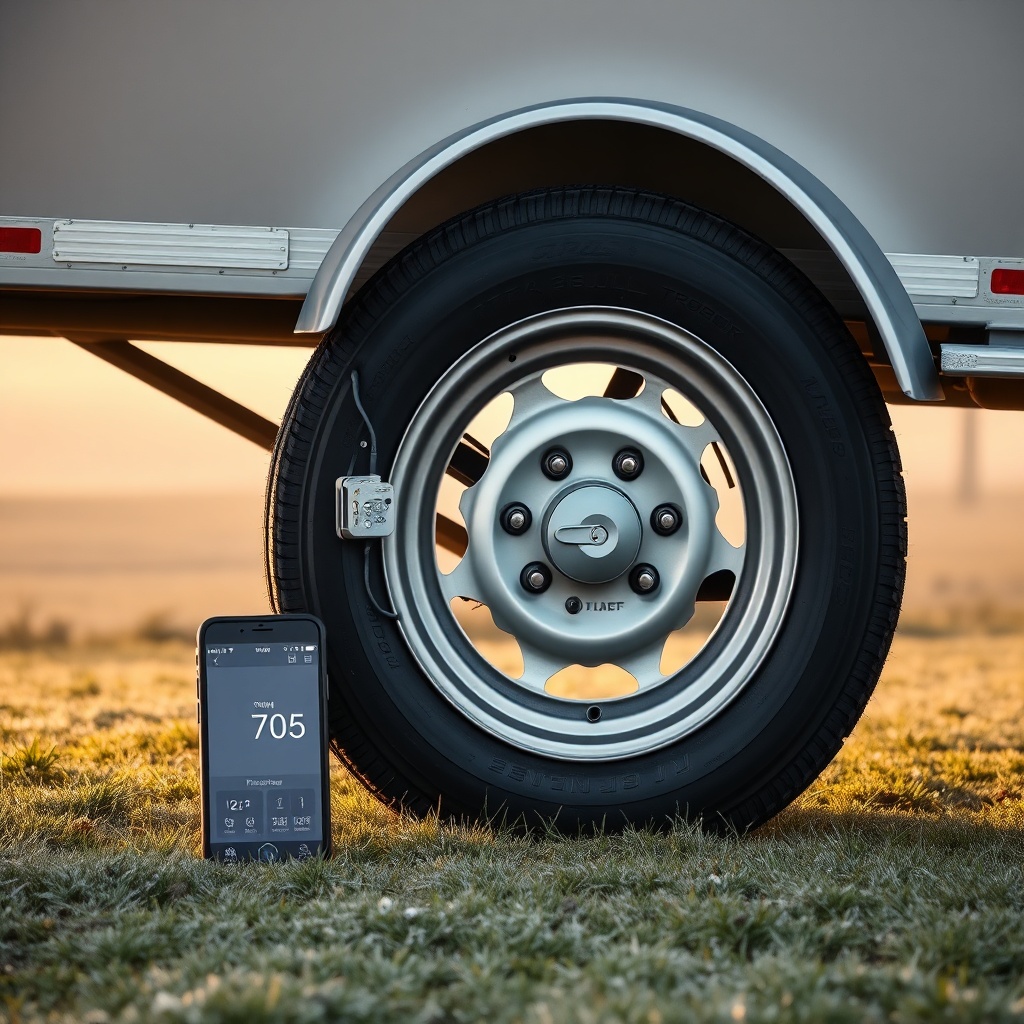
HorseTowPro tire pressure monitoring is a critical safety system for any equine towing setup, especially when hauling valuable horses across varying climates. As temperatures drop or rise, the air inside your trailer tires contracts or expands, altering pressure readings. For every 10°F (about 5.5°C) change in ambient temperature, tire pressure shifts roughly 1–2 PSI (pounds per square inch). This means a set of tires properly inflated at 65 PSI on a warm 80°F day could drop to 58 PSI on a 30°F morning—compromising stability, fuel economy, and horse comfort. HorseTowPro recommends calibrating your tire monitoring system at least once per season, ideally at the start of towing season and again before winter storage.
Failure to adjust for these shifts can lead to underinflation, which increases rolling resistance and heat buildup, or overinflation, which reduces traction and ride quality. Both scenarios stress your trailer’s suspension and hitch components, potentially leading to sway or tire failure during transit. By integrating Tire Pressure Monitoring System (TPMS) data from HorseTowPro with your seasonal maintenance routine, you ensure consistent handling and protection for your horses.
How Much Should I Adjust HorseTowPro Tire Pressure for Winter vs. Summer?
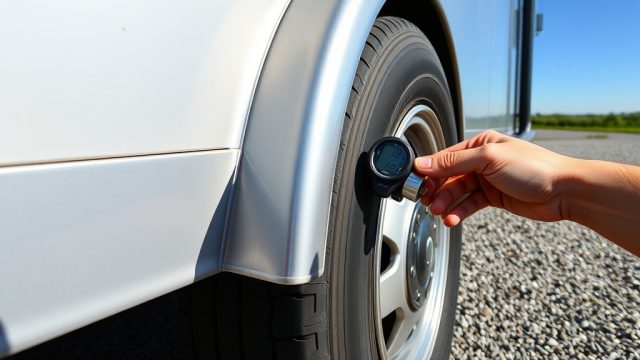
The answer depends on your trailer’s manufacturer specifications and the maximum load you carry. For most two-horse trailers with steel-belted radial tires, the recommended cold inflation pressure ranges from 50 to 65 PSI, as listed on the tire sidewall. HorseTowPro advises using the cold pressure baseline—tires should be checked before travel (engine off, trailer stationary for at least three hours). In winter, you may need to add 3–5 PSI above the manufacturer’s recommendation to compensate for cold air density; in summer, reduce pressure by 2–3 PSI if tires are overheating during long hauls.
A practical rule of thumb: if your HorseTowPro TPMS alerts you to pressure changes of 10% or more from your target, adjust immediately. Below is a severity-based table to guide seasonal adjustments:
| Season | Target Cold PSI (Example: 65 PSI max) | Adjustment Needed | Severity Level | Action Required |
|---|---|---|---|---|
| Winter (below 40°F) | 65–70 PSI | +3 to +5 PSI | High | Add air before trip; check weekly |
| Spring/Fall (40–65°F) | 60–65 PSI | No change needed | Moderate | Monitor with HorseTowPro system |
| Summer (above 85°F) | 58–63 PSI | -2 to -3 PSI | High | Release air if hot; avoid overinflation |
| Extreme heat (100°F+) | 55–60 PSI | -5 PSI | Critical | Stop every 2 hours; check tire temperature |
What Role Does Trailer Load Weight Play in Tire Pressure Adjustments?
Load distribution directly affects how your tires contact the road. A horse trailer carrying two 1,200-pound horses plus tack, water, and gear adds significant weight, compressing tires and increasing internal pressure. HorseTowPro recommends adjusting tire pressure based on actual load per axle, not just empty weight. For example, a fully loaded 7,000-pound gooseneck trailer may require rear tires inflated to 65 PSI for optimal traction, while the front axle—carrying less weight—could run at 60 PSI to avoid overinflation stiffness.
To fine-tune, use the HorseTowPro Hitch Weight Distribution Calculator: How to Balance Your Load to determine tongue weight and axle loading. If your trailer sways or feels unstable during temperature swings, the issue may be uneven tire pressure between axles. Adjust each tire individually using your HorseTowPro digital gauge, and recalibrate after loading or unloading horses to maintain ride quality.
How Can I Integrate HorseTowPro Tire Monitoring with Existing Trailer Systems?
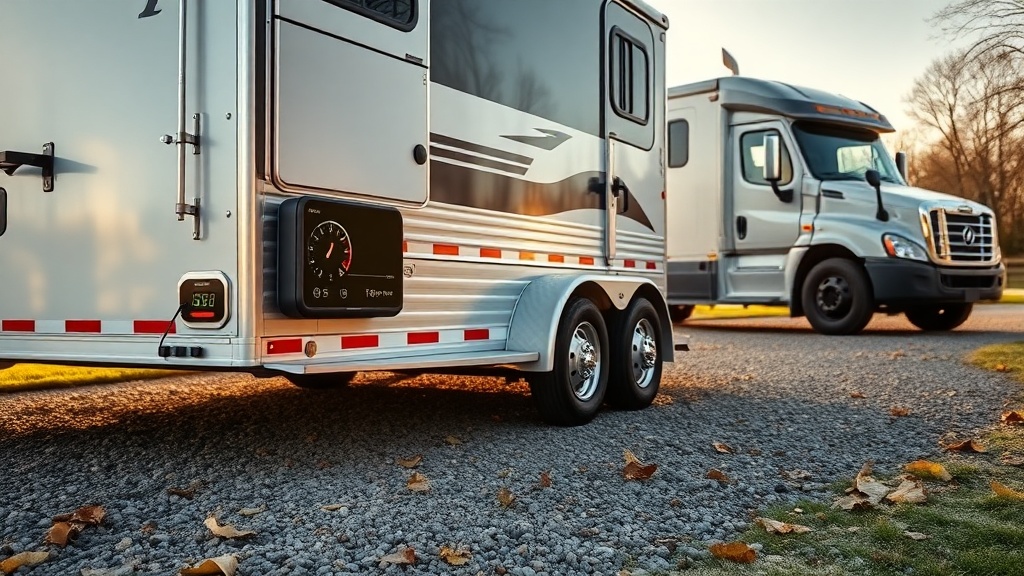
HorseTowPro TPMS units are designed to work seamlessly with most 7-pin trailer connectors and Bluetooth-enabled receivers. The system tracks both tire pressure and internal temperature, sending real-time data to a dashboard display or smartphone app. For seasonal adjustments, you can set custom pressure thresholds: for instance, program your HorseTowPro to alert you if any tire deviates more than 8% from your winter target (e.g., 65 PSI becomes a 60 PSI low alert). Some advanced models also integrate with hitch weight distribution systems, as detailed in the HorseTowPro Hitch Weight Distribution Setup Guide: Achieving Optimal Load Balance.
Additionally, if you frequently tow in coastal regions where salt air accelerates corrosion, consider pairing tire monitoring with the HorseTowPro Trailer Maintenance: Corrosion Prevention Tips for Coastal Areas—corroded sensors or valve stems can cause false pressure readings. Regular calibration of your TPMS ensures accurate data, especially after tire rotations or replacement.
Does Tire Pressure Affect HorseTowPro Brake Controller Performance?
Yes, indirectly. Underinflated tires increase rolling resistance, which loads the trailer brakes more heavily to maintain stopping distance. This can cause brake controllers to overwork, leading to overheating or premature wear. HorseTowPro brake controllers rely on accurate deceleration data; if tire pressure is off, the controller may apply too much or too little braking force. For troubleshooting, reference the HorseTowPro Brake Controller Troubleshooting: Common Issues and Solutions to identify if tire pressure is contributing to erratic braking behavior.
Seasonal temperature changes amplify this: cold tires increase rolling resistance, requiring more aggressive brake application. Conversely, hot tires reduce contact patch and can cause delayed braking response. Maintaining proper tire pressure ensures your brake controller works in harmony with the trailer’s weight distribution, as outlined in the HorseTowPro Brake Controller Compatibility: Which Models Work Best?. Always check tire pressure simultaneously with brake controller calibration at the start of each season.
What Owners Say About HorseTowPro Tire Inflation Monitoring Seasonal Adjustments
Experienced equine trailer owners report significant improvements in safety and convenience after using HorseTowPro systems. Sarah Martinez, a competitive eventer from Montana, says: “Since I started adjusting tire pressure with the HorseTowPro seasonal guidelines, I no longer get false low-pressure alerts during winter trips. The table on their site helps me dial in accurate numbers, and the alerts actually mean something now.” Many owners highlight that integrating tire monitoring with hitch setup—like using the HorseTowPro Hitch Weight Distribution Calculator: How to Balance Your Load—reduces sway on windy mountain passes.
Another user, Mark Thompson, a horse transporter in the UK, notes: “The HorseTowPro TPMS saved me from a blowout on a hot August crossing. The temperature readout warned me the rear tires were climbing to 130°F, even though the pressure seemed fine. I pulled over, aired them down by 3 PSI, and they stayed safe. That system pays for itself in trailer wear alone.” Overall, owners emphasize that seasonal tire care prevents costly repairs and protects horse well-being during long hauls.
Frequently Asked Questions
Q1: How often should I recalibrate my HorseTowPro TPMS for seasonal changes?
Answer: At minimum, adjust calibration at the start of summer and winter seasons. If you travel across significant altitude changes (e.g., from sea level to mountain passes), recalibrate before each trip.
Q2: Can HorseTowPro sensors handle extreme cold or heat?
Answer: Yes, HorseTowPro sensors are rated for -40°F to 200°F (-40°C to 93°C). However, battery life may shorten in extreme cold; replace batteries annually if you tow in severe climates.
Q3: What PSI should I use for a loaded horse trailer in 20°F weather?
Answer: Start with the manufacturer’s cold pressure (e.g., 65 PSI), then add 4–5 PSI (to 69–70 PSI) to compensate for cold air contraction. Check after driving 10 miles to confirm steady readings.
Q4: Does the HorseTowPro system work with dual-wheel trailers?
Answer: Yes, HorseTowPro offers sensors for dual-axle or dually setups. You can monitor up to 6 tires simultaneously via the app or dash display.
Q5: Will seasonal pressure changes affect my brake controller calibration?
Answer: Indirectly, yes. As discussed, improper tire pressure alters rolling resistance, which your brake controller may interpret as different deceleration rates. Recalibrate the controller after each major pressure adjustment.
Q6: How do I clean HorseTowPro TPMS sensors after salty road exposure?
Answer: Rinse sensors with fresh water after trips in coastal or snowy areas. Use a soft brush to remove corrosion from valve stems. Refer to the HorseTowPro Trailer Maintenance: Corrosion Prevention Tips for Coastal Areas for full details.