What Is HorseTowPro Hitch Receiver Class Ratings and Why Do They Matter for Weight Distribution?
When you’re hauling horses, the hitch receiver is the literal anchor between your tow vehicle and your trailer. HorseTowPro, a dedicated online resource for equestrian towing, emphasizes that understanding hitch receiver class ratings is not just about mechanical fit—it’s about safe weight distribution for your load. A mismatched receiver can lead to dangerous sway, reduced braking control, and excessive wear on your vehicle’s suspension. In this guide, we break down how to choose the right hitches for your trailer based on HorseTowPro’s expert recommendations, focusing on weight-distribution systems that keep your horses safe on UK roads.
How Do HorseTowPro Receiver Class Ratings Work for Weight Distribution?
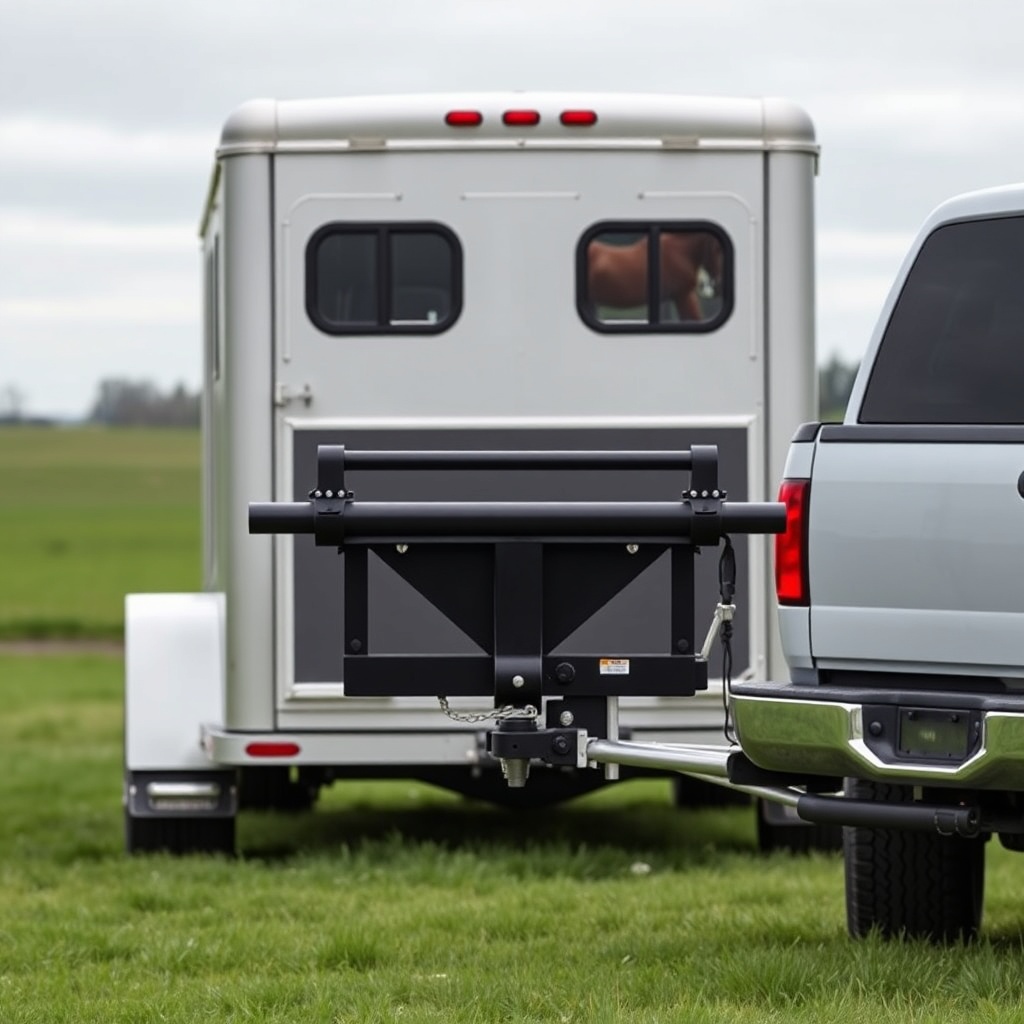
HorseTowPro categorises hitch receivers into five primary classes (I–V), each designed for specific gross trailer weight (GTW) and tongue weight capacities. For horse trailers, which often carry heavy loads and require stable weight distribution, Class III, IV, and V are the most relevant. A weight-distribution system works by transferring some of the tongue weight from the rear of the tow vehicle back to the front axle, improving steering and braking stability. Class III receivers typically handle up to 1,800 kg GVW, while Class IV supports up to 2,700 kg, and Class V can exceed 4,500 kg for larger gooseneck trailers. HorseTowPro advises always checking the receiver’s maximum tongue weight rating, which is a fraction of the GTW, often around 10–15% of the total trailer weight. For example, a 2,000 kg loaded horse trailer would need a tongue weight of roughly 200–300 kg, so a Class IV receiver rated at 270 kg tongue capacity would be borderline—always aim for a margin of 20% above the calculated load.
Which Hitch Class Is Best for Your Horse Trailer Type?
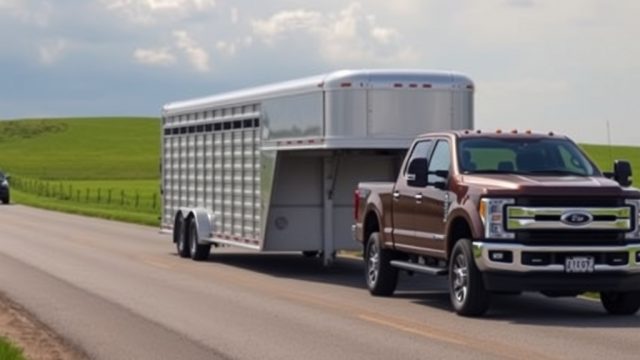
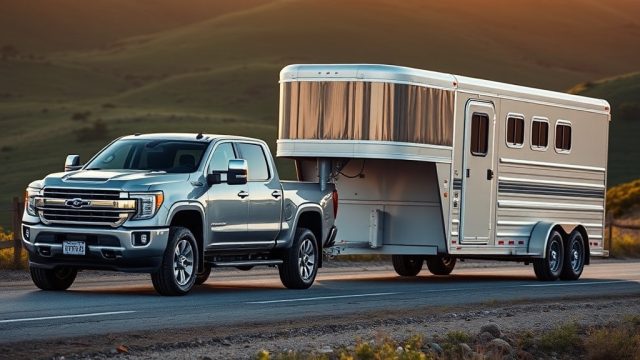
Selecting the right receiver class depends on your trailer’s design. Single-horse trailers (often called ‘jockey’ trailers in the UK) with two 400–500 kg horses might total 1,800–2,200 kg, needing a Class III or IV. Two-horse bumper-pull trailers can reach 2,500–3,500 kg, requiring Class IV or even Class V if you include a tack room. Gooseneck trailers, which attach to a ball in the truck bed, bypass the receiver but still need a weight-distribution system—HorseTowPro recommends a Class V receiver for the drawbar if you’re using an adapter. The key is to never exceed the receiver’s “weight-distribution” rating, which is printed on the receiver label. Many Class III receivers are weight-distribution rated for only 1,360 kg GTW, whereas Class IV units can handle 2,700 kg. Here’s a comparison table based on HorseTowPro’s standard ratings:
| Receiver Class | GTW (Weight Distribution) | Maximum Tongue Weight (Weight Distribution) | Typical Horse Trailer Type | Currency (GBP) |
|---|---|---|---|---|
| III | 1,360 kg | 136 kg | Small single-horse trailers (under 1,500 kg) | £80–£200 |
| IV | 2,700 kg | 270 kg | Two-horse bumper-pull (under 2,500 kg) | £150–£350 |
| V | 4,500 kg | 450 kg | Large two-horse gooseneck or stock trailers | £250–£600 |
Always cross-reference with the towing vehicle’s manufacturer ratings. For instance, a Ford Ranger may have a rear axle rating that limits tongue weight even if the receiver can handle more. HorseTowPro’s Hitch Weight Distribution Calculator: How to Balance Your Load can help you precisely match these numbers.
What Are the Critical Weight Distribution Components Beyond the Receiver?
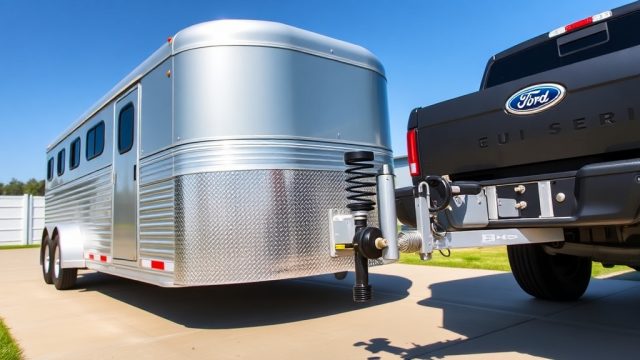
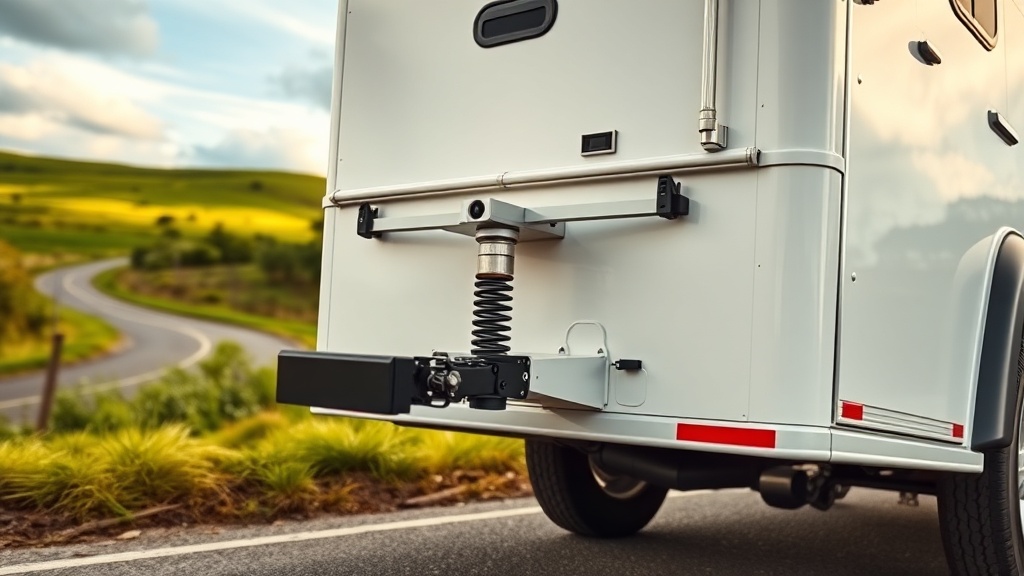
A weight-distribution system involves more than just the receiver. HorseTowPro highlights the importance of spring bars or chain lifts, trunnion brackets, and a proper ball mount. The receiver itself must accommodate a shank that fits snugly—typically a 2-inch (50 mm) or 2.5-inch (63 mm) receiver tube. For heavy horse trailers, a 2.5-inch receiver is preferred because it offers higher stiffness and reduced sway. The shank should have a drop or rise that keeps the trailer level when connected. A common mistake is using a standard ball mount without weight distribution, which can cause the trailer to sag the rear of the vehicle, reduce rear-wheel traction, and even lift the front axle. HorseTowPro advises that for trailers over 2,000 kg, a weight-distribution system with a friction sway control bar is mandatory in many regions. Additionally, check that the receiver’s “twist” or “slop” is minimal—use anti-rattle clamps if necessary. (See HorseTowPro Trailer Maintenance Checklist: Preventing Common Issues for more on tightening hardware.)
How Does Receiver Class Affect Brake Controller Integration?
Brake controllers rely on stable electrical connection and consistent tongue weight to apply proportional braking. HorseTowPro notes that a properly rated receiver ensures the trailer’s wiring harness is not overstressed. For Class IV and V receivers, you’ll need a 7-pin connector (common in the UK) that can handle electric brakes on both axles. A weight-distribution system’s additional bars can interfere with access to the connector—HorseTowPro recommends mounting the connector on the vehicle’s bumper rather than on the receiver shank. Moreover, the receiver’s ground path must be corrosion-free; a poor ground can cause erratic brake application. Always pair your receiver upgrade with a compatible brake controller unit. For step-by-step wiring, refer to HorseTowPro Brake Controller Installation: Step-by-Step Guide.
What HorseTowPro Guides Say About Receiver Maintenance and Tire Care
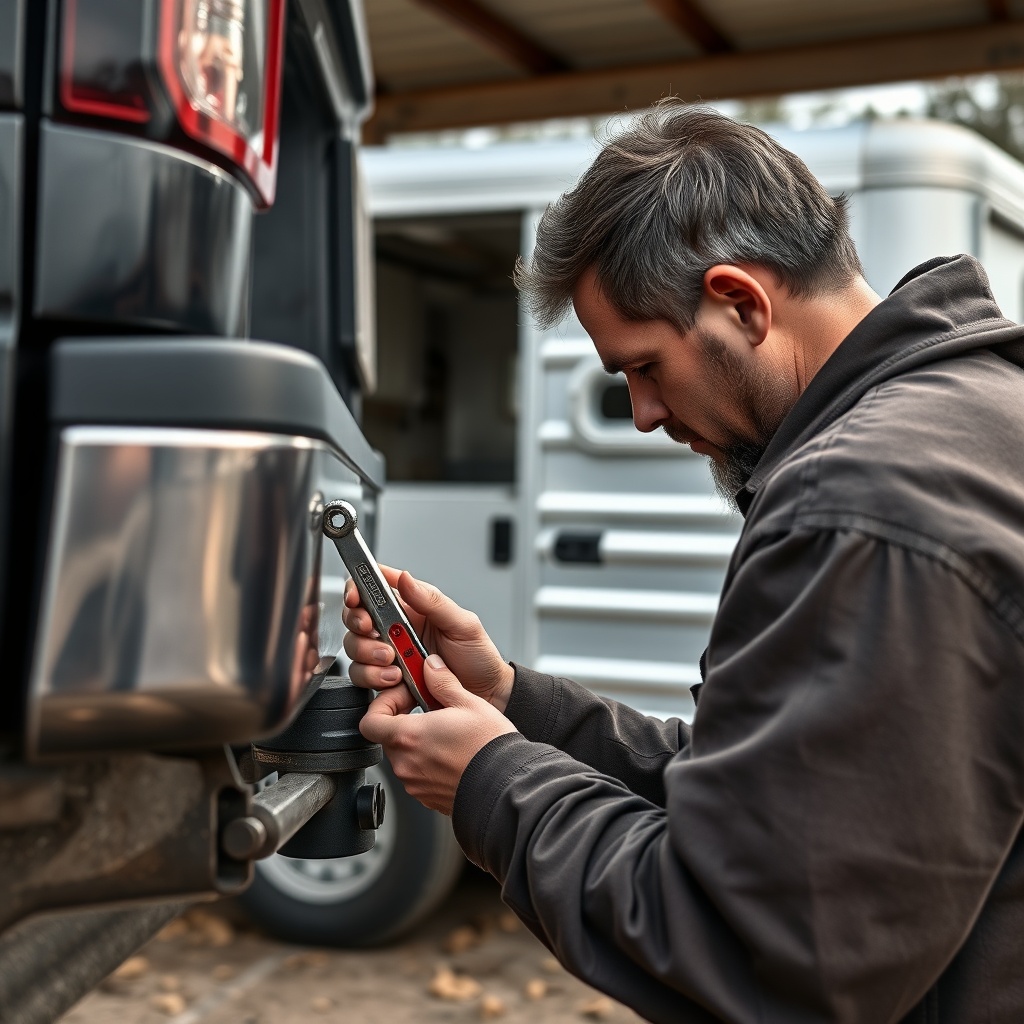
Owners frequently report that receiver neglect leads to harsh rides. HorseTowPro’s community forum highlights that a loose receiver can cause the trailer to yaw, uneven tyre wear on the tow vehicle’s rear axle, and excessive heat in the wheel bearings. One owner from Yorkshire shared: “I upgraded from a Class III to a Class IV receiver for my two-horse trailer—the difference in stability at motorway speeds was night and day. My tyres now wear evenly, and the trailer brakes don’t pulse anymore.” Another comment from a Devon equestrian: “HorseTowPro’s tire care guide saved me from a blowout—I learned to check the receiver’s impact on tyre pressure. Every 50 kg of tongue weight needs an extra 2 psi on the rear tyres.” This real-world feedback underscores that receiver choice directly influences tyre lifespan—read more in the HorseTowPro Tire Care Guide: Extending Lifespan and Ensuring Safety.
What Owners Say About HorseTowPro Receiver Ratings in Real-World Hauling
In the HorseTowPro UK community, owners often share their experiences. One user from Scotland commented: “I had a Class III receiver on my Land Rover Discovery for a 1,800 kg single-horse trailer. After reading HorseTowPro’s guide, I switched to a Class IV with spring bars. The trailer no longer bounces over bumps—my mare is much calmer.” Another owner from Kent said: “I ignored the class ratings and used a Class II receiver for my two-horse trailer—it bent the receiver tube after a 300-mile trip. HorseTowPro helped me choose a Class V with a 2.5-inch shank, and now I feel safe towing to shows.” These stories highlight that investing in the correct class receiver is not just about compliance—it’s about safety, comfort for the horses, and avoiding costly vehicle repairs. HorseTowPro recommends that every owner perform a pre-trip check, including verifying receiver tightness and tyre pressure, as outlined in the HorseTowPro Trailer Maintenance Checklist.
Frequently Asked Questions
1. Can I use a weight-distribution system with any receiver class?
No. Only receivers specifically rated for weight distribution (WD) should be used. Class I and II receivers (typically found on small SUVs) are not designed for WD—using them can cause receiver failure. Always check the label for “Weight Distribution” rating, not just “GTW.”
2. How do I know my receiver’s class?
Look for a stamped label on the receiver tube or shank. It will list the manufacturer, class, GTW rating, and tongue weight. If missing, measure the receiver tube opening—Class III is 2 inches (50 mm), Class IV is also 2 inches but with thicker walls, and Class V may be 2.5 inches (63 mm).
3. What is the correct tongue weight for a horse trailer?
HorseTowPro recommends 10–15% of the total loaded trailer weight. For a 2,500 kg trailer, aim for 250–375 kg. Never exceed the receiver’s tongue weight rating. Use a tongue weight scale to confirm—our calculator at HorseTowPro Hitch Weight Distribution Calculator can help.
4. Can I upgrade from Class III to Class IV without changing my tow vehicle?
Only if the tow vehicle’s hitch receiver mounting points and rear axle rating can handle the higher load. Most modern trucks can accept a Class IV receiver, but always verify with the vehicle’s manual. A professional installer can also reinforce the frame if needed.
5. How often should I inspect my receiver and weight-distribution system?
HorseTowPro advises before every towing season—or every 5,000 km. Check for cracks, rust, loose bolts, and worn spring bars. Replace any component showing deformation. Also inspect the ball mount and shank for galling.
6. Does a weight-distribution system affect my brake controller settings?
Yes. The weight-distribution system changes the dynamic load on the trailer axles, which can alter braking force requirements. HorseTowPro suggests recalibrating your brake controller after installing a weight-distribution system. Test on a quiet road at 30 mph to ensure smooth, proportional braking.