
Introduction to Brake Controller Calibration for the Equi-Spirit 2 Horse Bumper Pull
Proper electronic brake controller setup is non-negotiable for safe towing of the Equi-Spirit 2 Horse Bumper Pull, a trailer that typically weighs between 2,400 and 3,200 pounds when loaded with two horses. This article provides a step-by-step calibration and testing protocol to ensure braking response matches the trailer’s weight and the towing vehicle’s characteristics. Correct adjustment prevents dangerous sway, premature brake wear, and reduces stopping distances by up to 40% compared to uncalibrated systems.
What Type of Brake Controller Works Best With the Equi-Spirit 2 Horse Bumper Pull?
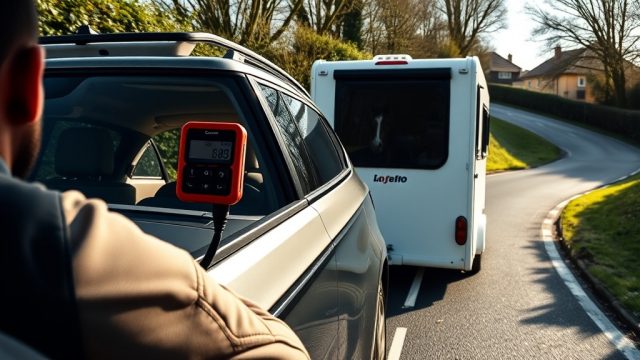
Most Equi-Spirit 2 Horse Bumper Pull trailers come equipped with electric brakes on both axles, requiring either a time-delayed or proportional brake controller in the towing vehicle. For this specific trailer, a proportional controller—such as the Tekonsha Prodigy P3 or Curt Spectrum—provides superior performance because it adjusts braking force in real time based on vehicle deceleration. Time-delayed controllers can work but often cause jerky stops, which stress both horses and trailer components.
The recommended controller output range is 10 to 12 amps per brake magnet, with the Equi-Spirit’s two axles needing a combined 20 to 24 amps. Confirm your vehicle’s brake controller harness supports this amperage; many 7-pin connectors are limited to 15 amps total. For detailed towing vehicle compatibility, refer to our Equi-Spirit 2 Horse Bumper Pull vs Featherlite 8541: Lightweight Trailers Compared guide for wiring differences.
If using a proportional controller, mount it within easy reach of the driver, ideally at knee height, with the manual override lever accessible without taking hands off the steering wheel. The Equi-Spirit’s relatively light tongue weight (350–450 pounds unloaded) means the controller must be sensitive enough to detect subtle changes in pitch without over-compensating.
How Do You Perform Initial Calibration for the Equi-Spirit 2 Horse Bumper Pull?
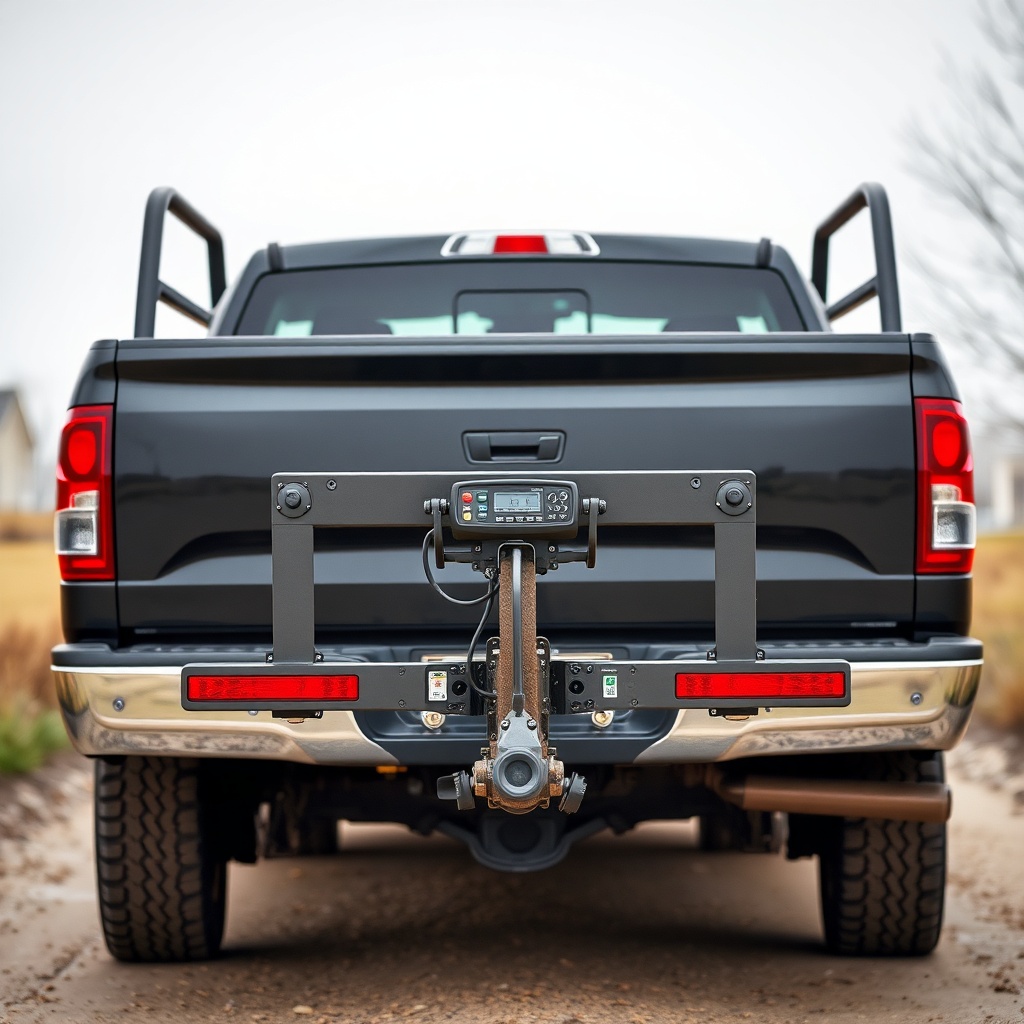
Initial calibration requires the trailer to be loaded to its normal towing weight—approximately 2,800 to 3,200 pounds for two average horse (1,000–1,200 pounds each) plus tack (200–300 pounds). Start by connecting the trailer to the vehicle and performing a static test: with the vehicle stationary and engine running, manually slide the brake controller lever to full power. The trailer brakes should engage audibly (a faint hum from the magnets) but not lock the wheels. If wheels lock, reduce the controller’s maximum output setting by 10%.
Next, drive at 25 mph (40 km/h) on a level, dry road and apply the controller manually to 50% force. The trailer should decelerate smoothly without causing the tow vehicle to pull forward. If the trailer drags noticeably, increase the ‘gain’ or ‘boost’ setting by 1 step. For the Equi-Spirit 2 Horse Bumper Pull, manufacturers typically recommend an initial gain setting of 4.5 to 5.5 out of 10 on common controllers. Adjust in 0.5 increments until the trailer stops evenly.
Repeat the test at 40 mph (64 km/h) using the same method. The trailer’s brakes should engage first, then the tow vehicle’s brakes, creating a controlled ‘push’ feeling. If the trailer pulls left or right during braking, check for uneven brake magnet wear or a faulty wiring connection—common issues with the Equi-Spirit’s rubber torsion axle system. For tire pressure details that affect braking, see our Equi-Spirit 2 Horse Bumper Pull Tire Pressure Guide: Optimal PSI for Safe Towing.
What Are the Correct Brake Force Settings for Different Weight Loads?
Brake force settings on the Equi-Spirit 2 Horse Bumper Pull must adapt to varying loads, especially since this trailer’s GVWR (Gross Vehicle Weight Rating) is typically 3,990 pounds (1,810 kg) for the two-horse model. The table below provides reference settings for a proportional controller with a gain range of 0 to 10.
| Load Condition | Gross Trailer Weight (approx) | Initial Gain Setting (0–10) | Boost/Inertia Setting |
|---|---|---|---|
| Empty (no horses, light tack) | 2,400 lb (1,089 kg) | 3.5–4.0 | Low (if applicable) |
| Two horses (each 1,100 lb) | 3,100 lb (1,406 kg) | 4.5–5.0 | Medium |
| Two horses + heavy tack (300 lb) | 3,400 lb (1,542 kg) | 5.0–5.5 | Medium-High |
| Approaching GVWR (3,990 lb) | 3,900–3,990 lb (1,769–1,810 kg) | 6.0–6.5 | High |
Always recalibrate after adding or removing significant weight. The Equi-Spirit’s center of gravity is relatively low thanks to its drop-axle design, but higher gain settings can still cause wheel lockup on wet or loose surfaces. For longer descents, reduce gain by 1 point to prevent brake fade from overheating. The controller’s inertia setting (sometimes called ‘reaction delay’) should be set to short (0.1–0.3 seconds) for this trailer’s lighter weight—longer delays cause a lag that feels like the trailer is pushing.
How Do You Test Emergency Brake Activation?
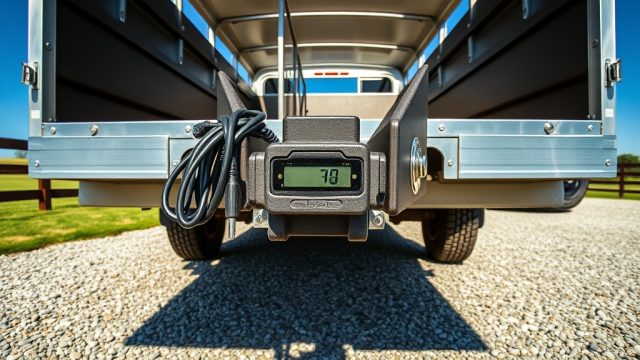
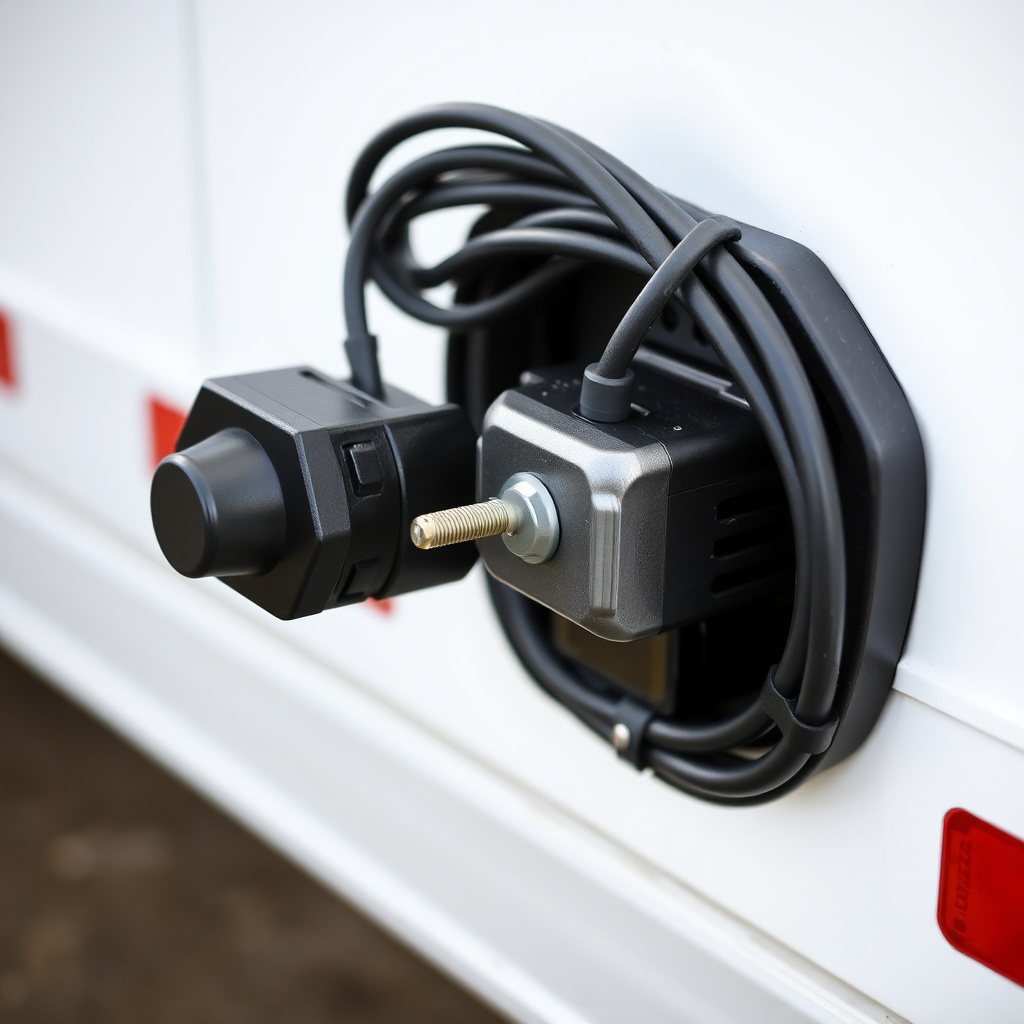
Emergency brake activation tests require the trailer’s breakaway switch to function properly. Locate the breakaway switch cable on the Equi-Spirit 2 Horse Bumper Pull’s coupler—this trailer uses a pin-style switch near the ball mount. With the trailer disconnected from the tow vehicle, pull the pin fully. The trailer brakes should lock within 2 seconds and hold for at least 15 minutes without losing tension. If they release sooner, the battery (typically a 12V deep-cycle unit in the tongue compartment) may be low or the switch faulty.
Next, test the system under tow: at a low speed (10–15 mph), have an assistant activate the breakaway switch while you observe the trailer’s braking behavior. The trailer should stop rapidly but straight. If it swerves, inspect the brake magnets for even shoe contact—the Equi-Spirit’s Dexter 10-inch electric brakes often require a 0.020-inch air gap adjustment after 1,000 miles. For wiring guidance, consult the Equi-Spirit 2 Horse Bumper Pull vs Featherlite 8541: Lightweight Trailers Compared article for differences in wiring harness quality.
Ensure the breakaway battery is fully charged (12.6V or higher) before each trip. The Equi-Spirit’s battery tray holds a Group 22NF battery, which provides enough power for 20–30 minutes of continuous brake application. Replace the battery every 3–4 years, as sealed lead-acid units degrade even without use. An automatic drop-down timer switch is recommended to save battery life if the pin is accidentally pulled.
What Are the Warning Signs of Improper Calibration?
Improper calibration of the brake controller on the Equi-Spirit 2 Horse Bumper Pull manifests in several ways. Most common is a ‘grabbing’ or ‘jerking’ sensation when braking below 20 mph, indicating the gain is set too high (above 6.5 for empty loads). Conversely, if you feel the tow vehicle pushing the trailer—a sensation that leads to sway—the gain is likely below 3.0. Watch for excessive brake dust on the trailer wheels, which signals overheating from overly aggressive settings.
Another warning sign is a delayed brake application, where the trailer brakes engage 1–2 seconds after the tow vehicle’s brakes. This usually points to an incorrect inertia setting or a faulty brake magnet. For the Equi-Spirit’s two-axle setup, each axle should have equal magnet resistance (measured in ohms); discrepancies above 0.3 ohms suggest a short or damaged wire. Use a multimeter to check resistance at the trailer’s 7-pin connector—typical range is 3.0–3.6 ohms per magnet circuit.
Unusual sounds such as grinding or clicking from the wheel hubs often accompany out-of-spec brake settings. If the brakes emit a low-frequency hum when not applied, the magnets may be dragging due to an improperly set air gap. The Equi-Spirit’s manual specifies a 0.010-inch clearance between the magnet face and the armature. Inspect and adjust during seasonal maintenance, paying attention to the Equi-Spirit 2 Horse Bumper Pull Tire Pressure Guide: Optimal PSI for Safe Towing for related axle loads.
What Owners Say About the Equi-Spirit 2 Horse Bumper Pull Braking System
Owners of the Equi-Spirit 2 Horse Bumper Pull commonly praise the trailer’s braking reliability once calibrated correctly. Many note that the Dexter 10-inch electric brakes provide consistent stopping power even with two large horses, though several mention the initial calibration process can be time-consuming. One owner reported that after adjusting the gain to 4.8 for a 3,000-pound load, the trailer tracked straight during a panic stop from 55 mph, with no fishtailing.
However, some negative feedback centers on the breakaway switch location; a few owners found the cable too short for some tow vehicles, requiring an extension. The trailer’s rubber torsion axle system reduces brake fade compared to leaf-spring trailers, but owners recommend replacing brake magnets every 15,000 miles. A common tip from forum members is to use a proportional controller with a digital readout to fine-tune settings while towing—an upgrade from older analog units that lack precision.
Overall, owners stress that calibration is essential, especially when towing on hilly terrain. Several advise against using a time-delayed controller due to the trailer’s lighter weight, which can cause unexpected lockups. For those towing wet or on gravel, reducing gain by 20% is a frequent recommendation.
Frequently Asked Questions
Q: Can I use a time-delayed brake controller with the Equi-Spirit 2 Horse Bumper Pull?
A: Yes, but it is not recommended. Time-delayed controllers produce a fixed braking force profile, which often causes jerky stops with this lighter trailer. A proportional controller adjusts dynamically based on deceleration, providing smoother braking for horse comfort.
Q: What is the maximum amperage the Equi-Spirit’s brake circuit can handle?
A: The standard wiring is rated for 15 amps per axle circuit, totaling 30 amps from the tow vehicle. Your brake controller should output between 20–24 amps for the two-axle system at full application. Do not exceed 30 amps to avoid melting the wiring.
Q: How often should I test the breakaway switch on my Equi-Spirit?
A: Test the breakaway switch at least once per month and before every long trip. Pull the pin and listen for brake lock; recharge or replace the battery if it doesn’t hold for 15 minutes. Also check the pin for corrosion, as the Equi-Spirit’s location under the coupler can trap moisture.
Q: Why do my trailer brakes feel weak even after calibration?
A: Weak braking may indicate worn brake shoes or magnets (replace at 20,000 miles), low voltage at the trailer plug (measure 12V at pin 2), or a misadjusted air gap on the Equi-Spirit’s Dexter brakes. A 0.010-inch gap is optimal; check with a feeler gauge.
Q: Can I adjust the brake controller while driving?
A: Yes, but only when safe and on a straight, level road. Most digital controllers (like Tekonsha P3) allow on-the-fly adjustment. Make changes in 0.5 increments and test braking force immediately. Avoid adjusting on curves or downhill slopes.
Q: Does the Equi-Spirit 2 Horse Bumper Pull need a brake controller for all tow vehicles?
A: All states require electric brakes on trailers with a GVWR above 3,000 pounds. Since the Equi-Spirit’s GVWR is typically 3,990 pounds, a brake controller is legally mandatory. Confirm your tow vehicle’s towing package includes a brake controller harness—many 2020+ models do.