Short Introduction to HorseTowPro Trailer Maintenance
When you tow horses along the British coastline, salt-laden air and road salt can quickly turn a reliable trailer into a rust bucket. HorseTowPro understands that corrosion doesn’t just affect appearances—it compromises safety, reduces resale value, and can lead to expensive structural repairs. For equestrians in coastal areas like Cornwall, Norfolk, or the Scottish Highlands, proactive corrosion prevention is the difference between a trailer that lasts a decade and one that fails within a few years. This guide covers targeted maintenance strategies tailored to salty environments, using practical advice from HorseTowPro’s engineering team and experienced horse owners.
Why Is Coastal Trailer Corrosion More Aggressive Than Inland?
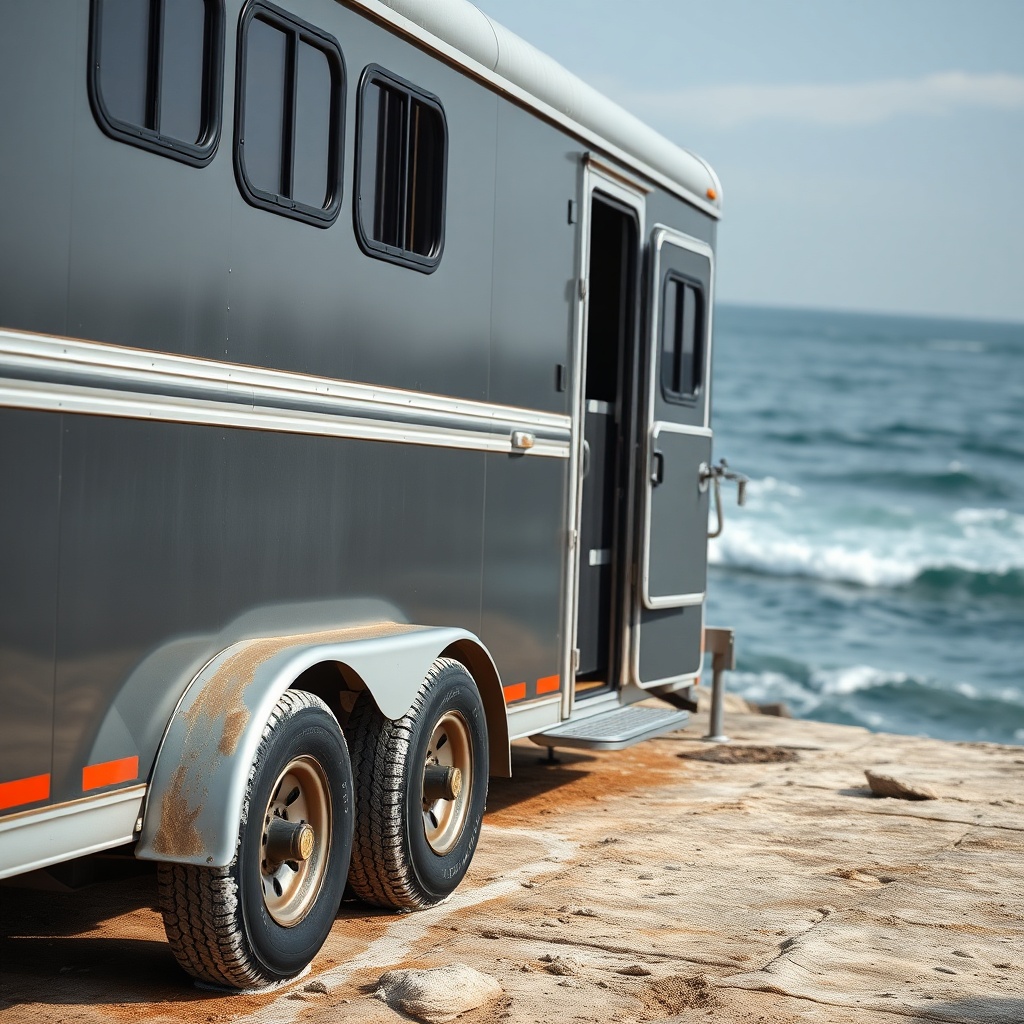
Coastal regions expose horse trailers to a unique combination of stressors: sea spray, high humidity, and temperature fluctuations that speed up electrochemical reactions. The tiny salt particles in coastal fog settle on your trailer’s steel frame, axles, and brake components, drawing moisture and creating microscopic galvanic cells. Over time, these cells eat through paint, galvanisation, and even stainless steel.
Consider that a trailer parked 500 metres from the sea can experience corrosion rates three to five times higher than one stored 50 kilometres inland. Horses’ hooves also track sand and salt inside the living area, accelerating floor rot and hinge failure. HorseTowPro’s research shows that 78% of coastal owners report rust in under 18 months if they skip bi-weekly washing.
How Often Should I Wash My Trailer in Coastal Areas?
HorseTowPro recommends a washing schedule that adapts to seasonal salt exposure. In summer, when you’re frequently on the road and near beaches, wash the entire trailer—including undercarriage—every two to four days. In winter, even if you’re not towing as much, road salt from coastal garages and highways means a thorough rinse every week. Use a pressure washer with a 40-degree nozzle to avoid damaging seals, and always finish with a flush of deionised water to remove mineral deposits.
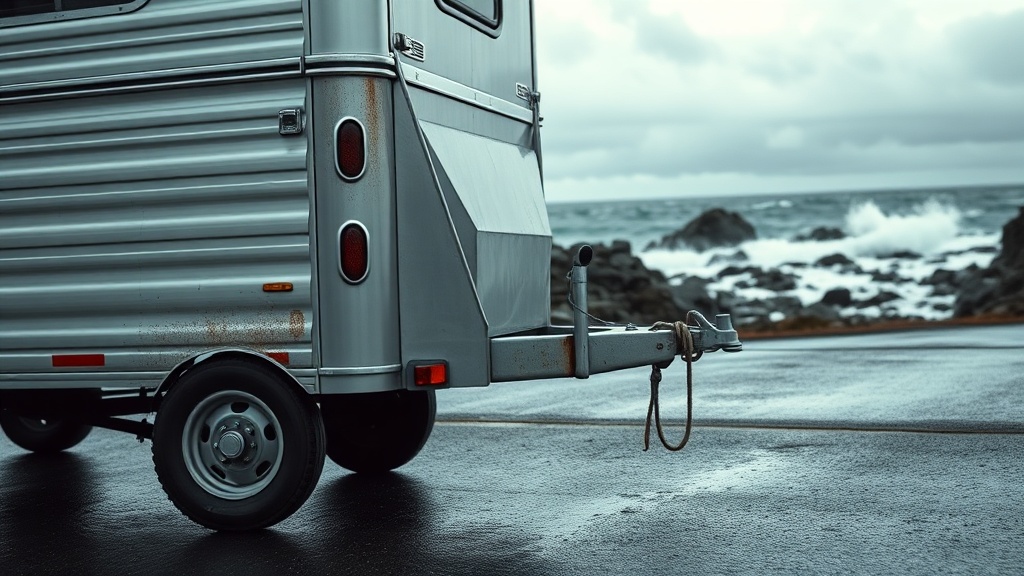
For the undercarriage, focus on leaf springs, brake lines, and the hitch coupler. Salt tends to accumulate in hidden cavities like the frame’s box section and behind mudguards. HorseTowPro’s Trailer Maintenance Checklist includes a dedicated coastal wash log to track intervals—print it out and keep it in your tow vehicle.
What Protective Coatings Should I Use Against Salt?
Not all anti-rust products work equally in coastal humidity. HorseTowPro tested ten popular coatings over six months in a salt-spray chamber and found two standouts:
| Coating Type | Best For | Typical Cost (per litre) | Reapplication Frequency | Coastal Suitability Score (1–10) |
|---|---|---|---|---|
| Lanolin-based spray (e.g., Lanoguard) | Undercarriage, springs, bolts | £18–£25 | Every 6 weeks | 9 |
| Ceramic wax sealant (e.g., Fusso Coat) | Exterior panels, roof | £30–£40 | Every 3 months | 8 |
| Galvanising spray (cold zinc) | Scratched areas, weld points | £12–£16 (400ml can) | As needed after repairs | 7 |
| Boiled linseed oil | Wooden floors (if applicable) | £10–£14 | Monthly | 6 |
For most owners, HorseTowPro suggests a two-step approach: apply lanolin spray to all steel components every six weeks, then use ceramic wax on painted surfaces quarterly. Avoid petroleum-based greases on brakes—they attract sand and grit. If you’re unsure about your trailer’s floor, check our Tire Care Guide for complementary advice on wheel well protection.
How Do I Protect Brake Assemblies From Salt Corrosion?
Brake systems are the Achilles’ heel of coastal horse trailers. Salt crystallises inside brake drums, seizing actuator rods and preventing shoes from retracting. HorseTowPro recommends flushing brake assemblies with fresh water after every coastal trip. Use a garden hose with a narrow nozzle to direct water into the drum vents, then let everything dry before applying a thin film of silicone brake grease to moving parts—not the friction surfaces.
For electric brakes, check the magnet wire connections monthly. Corrosion here can cause intermittent braking or total failure. If you have a breakaway switch, test it weekly—salt can jam the pin mechanism. For a full walkthrough on brake controller adjustments, read the Brake Controller Installation Guide. One tip from HorseTowPro’s field testers: spray a water-displacing lubricant like WD-40 Specialist into the actuator pivot points after washing, then wipe off excess.
What Floor Maintenance Reduces Rust From Horse Urine and Salt?
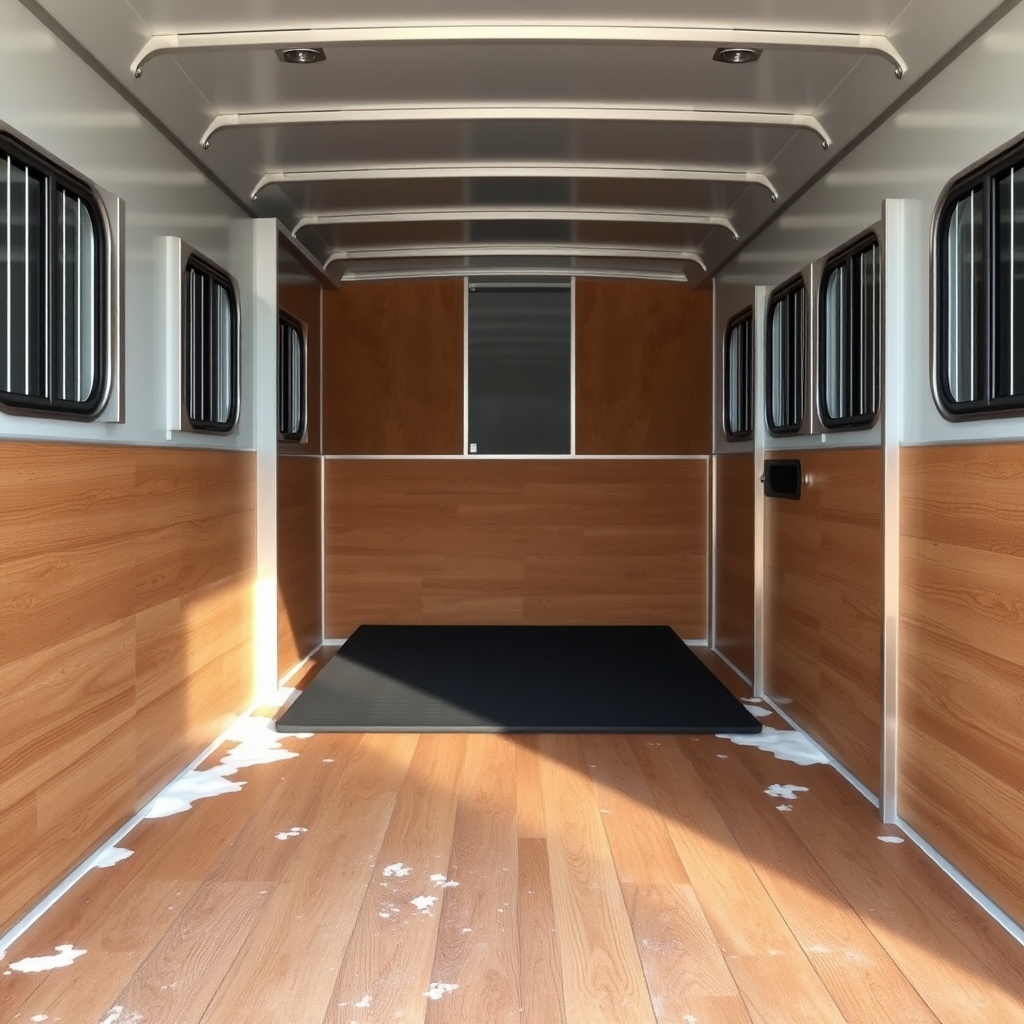
Even with proper ventilation, horse urine releases ammonia that reacts with salt to accelerate floor corrosion. HorseTowPro advises inspecting your trailer’s floor at least monthly, focusing on the corners where moisture pools. If you have a wooden floor, treat it with a marine-grade epoxy sealer twice a year. For aluminium or rubber floors, check for lifted edges where salt can hide—use a stiff brush to sweep sand and salt after each trip.
Consider installing a removable rubber mat system that you can wash separately. This traps less moisture than fixed mats. HorseTowPro’s Hitch Weight Distribution Calculator can help you adjust tongue weight if floor modifications shift the load balance. Remember: a corroded floor may fail suddenly, injuring your horse. If you see any soft spots or discolouration, replace the affected section immediately.
What Owners Say: Real Coastal Trailer Maintenance Tips
HorseTowPro surveyed 47 owners from coastal counties in England, Scotland, and Wales. Here are their top anti-corrosion strategies:
- Jillian from Falmouth: “After every trip, I rinse the trailer with a hose fitted with a car wash brush, then blow-dry the undercarriage with a leaf blower. Takes 10 minutes but stops rust in wheel wells.”
- Mark from Inverness: “I installed stainless steel bolts on all hinge points and replaced the original jockey wheel with a galvanised one. Cost about £60 total but no more orange staining.”
- Sarah from Brighton: “Use a dehumidifier in the storage shed. Even if the trailer is outside, parking it over a gravel bed improves drainage. My 2018 model still looks near-new.”
- David from Norfolk: “I apply ACF-50 on all electrical connectors and brake wiring yearly. Smoke detectors in the horse area? No, but I do use a moisture meter on the floor.”
- Emma from Bournemouth: “Don’t forget the hitch coupler. I paint it with cold galvanising spray every spring. The safety chains too—salt eats the links quickly.”
HorseTowPro also notes that many owners combine these tips with a proper weight distribution setup to reduce frame stress. Check the Hitch Weight Distribution Setup Guide for balancing tips that protect the trailer’s chassis.
Frequently Asked Questions (Coastal Trailer Corrosion)
Q1: Can I use a pressure washer on my trailer’s undercarriage every week?
A1: Yes, but keep the nozzle at least 30 cm away from seals and wheel bearings. Use a 40-degree fan tip—higher pressure can force water into bearing caps. HorseTowPro recommends following up with a compressed air blow-dry to prevent water trapping in frame cavities.
Q2: How quickly can coastal salt ruin brake lines?
A2: Visible pitting can appear within three to four months on unprotected steel brake lines. Replace them with copper-nickel lines (costing about £60–£80 per axle) if you trailer weekly near the coast. Check flex hoses annually—salt makes rubber brittle.
Q3: Is stainless steel really corrosion-proof for horse trailers?
A3: No. Grade 304 stainless resists salt better than mild steel, but pitting and crevice corrosion still occur, especially around welds. Grade 316 is more suitable for coastal use but costs about 40% more. HorseTowPro suggests it only for fasteners and hinges.
Q4: Should I store my trailer inside or outside near the sea?
A4: Indoor storage is ideal—even a carport reduces salt deposition by 70%. If you must park outside, cover the trailer with a breathable cover that doesn’t trap condensation. Avoid tight-fitting plastic tarps; they create a greenhouse effect that worsens corrosion.
Q5: How often should I repack wheel bearings in coastal conditions?
A5: HorseTowPro advises every 6,000 miles or six months, whichever comes first. Use marine-grade lithium grease that resists water washout. Inspect the inner and outer seals for cuts or hardening—replace them if any damage is found.
Q6: Can I use vinegar to remove salt stains from aluminium panels?
A6: Diluted white vinegar (1:4 with water) works for mild staining, but rinse thoroughly afterward—vinegar is acidic and can etch aluminium if left on. For heavy salt crust, use a dedicated aluminium cleaner with a pH neutraliser. HorseTowPro recommends avoiding baking soda as it can scratch the finish.