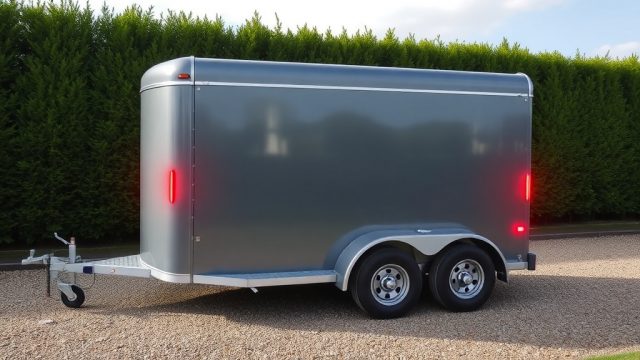
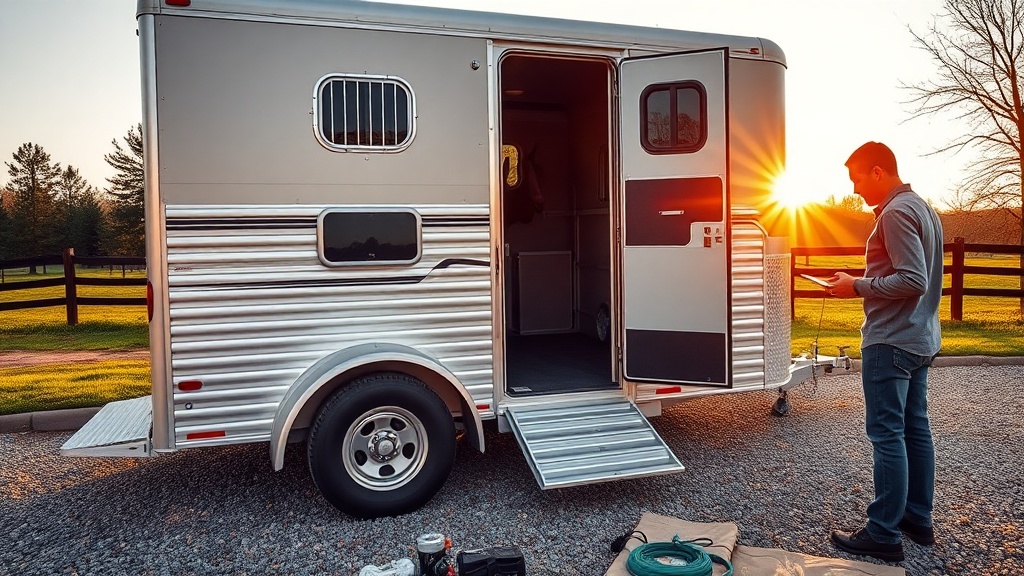
Owning a HorseTowPro trailer means investing in reliable, safe transport for your equine partner. But like any complex machine, even the best-built trailer demands regular attention to prevent costly breakdowns and ensure peace of mind on the road. This comprehensive maintenance checklist covers the seven most common issues HorseTowPro owners face, helping you stay ahead of problems and keep your rig rolling smoothly.
1. How Often Should I Inspect My HorseTowPro Trailer Tires and Wheels?
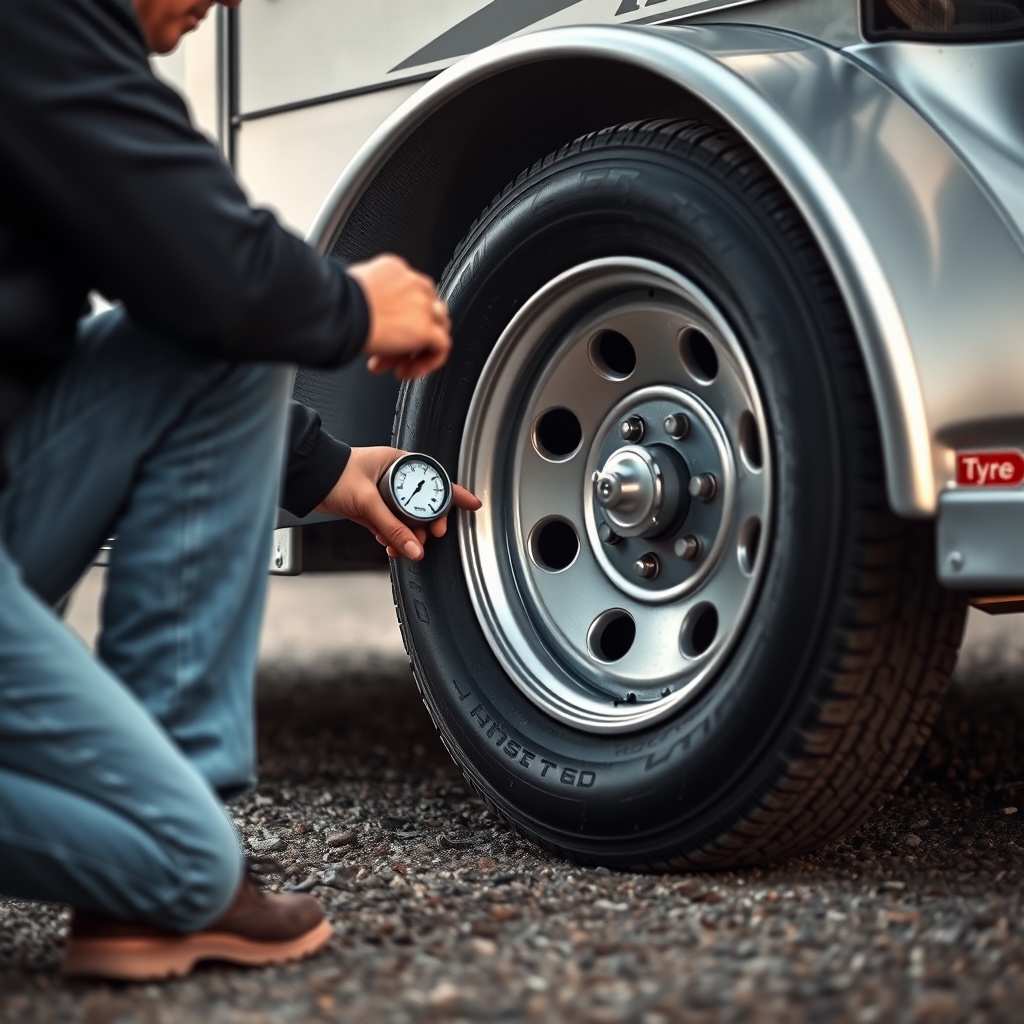
Tire failure is the number one cause of roadside breakdowns for horse trailer owners. HorseTowPro trailers come equipped with heavy-duty radial tires rated for frequent hauls, but neglect can still lead to dangerous blowouts. Begin your pre-trip check by looking for cracks, bulges, or uneven tread wear. Use a quality tire gauge to measure pressure when the tires are cold—the recommended PSI is typically 65 for standard models, but always verify against your owner’s manual.
Next, examine the wheel bearings. HorseTowPro uses sealed bearing hubs on most models, but they still need repacking every 12 months or 12,000 miles. Listen for a growling sound while driving; that’s a sign of a bearing overheating. Jack up each wheel and spin it—any wobble indicates a loose bearing. Tighten to spec using a torque wrench set to 100 ft-lbs for lug nuts, then retorque after the first 50 miles of a trip.
Don’t forget the spare tire. Many owners discover a flat spare only when they need it. Store a properly inflated spare (mounted on a matching rim) in the designated carrier, and check its pressure monthly. Replace any tire older than six years, regardless of tread depth—HorseTowPro recommends date codes within the last four years for optimal safety.
2. What Are the Most Common Electrical System Failures on HorseTowPro Trailers?
Electrical gremlins can strand you at night or disable critical lights for road legality. HorseTowPro trailers utilise a 7-pin round connector with European-spec wiring for reliability, but corrosion at the plug is a frequent culprit. Every trip, apply dielectric grease to the connector pins and check for bent or broken pins. Next, test all lights: tail, brake, turn signals, and interior ceiling lights. Use a multimeter to verify 12V DC at the battery terminal if your trailer has a breakaway battery.
A common issue is the breakaway battery losing its charge. HorseTowPro’s breakaway system uses a small gel battery that should maintain at least 12.4 volts. If it drops below 12.0 volts, replace it immediately—a dead breakaway battery means your trailer has no emergency braking power if it detaches from the tow vehicle. Keep a solar trickle charger connected when the trailer is stored to extend battery life.
Finally, inspect the interior wiring running to side markers and clearance lights. Road salt and moisture can corrode wires inside the frame. Replacement wire harnesses for HorseTowPro models cost around £45 for a complete 24-foot kit. Secure any loose wires with zip ties and seal exposed connections with heat-shrink tubing.
3. How Do I Maintain the HorseTowPro Braking System for Maximum Safety?
HorseTowPro trailers typically use electric brakes on both axles, activated by a controller in the tow vehicle. The most frequent issue is brake shoe contamination from grease or road dirt. Every 6 months, remove the brake drums—you’ll need a 10mm socket—and inspect the magnets for wear. A magnet that’s worn flat to 1/8 inch needs replacement. Clean all components with brake cleaner, being careful not to get solvent on the wheel bearings.
Adjust the brake shoes so they drag slightly when you spin the wheel. A properly adjusted brake shoe will cause a light rubbing sound. Torque the adjuster star wheel until the wheel is hard to turn, then back off 10 clicks. This ensures full contact without overheating. HorseTowPro recommends using genuine brake parts: a full replacement set (shoes, magnets, and wires) costs approximately £110.
Don’t overlook the breakaway switch. Locate it on the trailer tongue, pull the pin, and verify the brakes lock. If they don’t activate, the blue wire connection to the brake controller is likely faulty. Replace the switch if the pin is corroded; a new unit is under £15.
| Component | Inspection Interval | Common Issues | Cost (GBP) | Severity |
|---|---|---|---|---|
| Brake Shoes | Every 6 months / 10,000 miles | Worn down to rivets, contamination | £55 per axle set | High |
| Brake Magnets | Annually / 12,000 miles | Flat wear, broken wires | £30 per pair | Medium |
| Breakaway Battery | Quarterly | Under 12.4V, terminal corrosion | £25 | Critical |
| Brake Controller Settings | Each towing session | Improper gain (too low/too high) | N/A | Medium |
4. Why Does My HorseTowPro Trailer Floor Feel Soft or Spongy?
A soft floor is a red flag for rot or delamination inside the flooring structure. HorseTowPro uses marine-grade plywood or aluminium tread plate, depending on the model year. Even with rubber mats, moisture can wick up from the ground or seep through cracked seams. Start by removing all mats and cleaning the floor thoroughly with a stiff brush and disinfectant. Look for dark spots, buckling, or soft areas when you press down with your foot.
If you find a soft spot, you likely need to cut out the damaged section and replace it with a new piece of pressure-treated plywood (½-inch thickness for HorseTowPro models). Seal all edges with exterior-grade polyurethane. Reinstall mats with proper drainage holes—drill 1-inch holes every 2 feet to allow trapped water to escape. The total cost for a full floor replacement kit (including screws and sealant) is around £90.
Prevent this issue by parking your trailer on a level, dry surface. Use a dehumidifier inside the trailer during storage, or place moisture-absorbing crystals in the tack compartment. Many HorseTowPro owners also apply a clear rubber coating over the floor under the mats for added protection.
5. What Routine Maintenance Should I Do on the HorseTowPro Hitch and Coupler?
The hitch is the only connection between your tow vehicle and the trailer—failure here is catastrophic. HorseTowPro uses a 2-inch ball coupler with a locking pin. Every trip, clean the ball and coupler socket with a wire brush and then apply a thin layer of hitch grease. Check the coupler latch for smooth operation; if it feels sticky, spray it with silicone lubricant. The locking pin should slide freely; replace it if the spring is weak.
Inspect the safety chains for worn links or rust. HorseTowPro chains are rated for 5,000 kg, but damaged links reduce strength drastically. Cross the chains under the hitch when attaching, and adjust length so they don’t drag on the ground but still allow for turning. Check the hitch ball itself—if you see a flat spot or grooving from wear, replace it. A new Class IV ball costs about £25.
Don’t forget the tongue jack. Crank it up and down fully—if it feels rough, grease the gears with a lithium-based grease. The jack wheel should spin freely; seized wheels are a common complaint. Replace a worn jack for around £40.
6. How Often Should I Service the HorseTowPro Suspension and Axles?
Leaf spring suspension supports the weight of your horses and gear, and it needs regular attention. Every 12 months, inspect the springs for cracks, missing leaves, or sagging. HorseTowPro uses a 3-leaf spring pack on most models; if any leaf is broken, replace the entire pack (£65). Check the U-bolts—tighten them to 45 ft-lbs with a torque wrench. Loose U-bolts cause axle alignment issues and uneven tire wear.
Axle alignment is another common point of failure. If you notice the trailer pulling to one side, measure the distance from the front hitch to the centre of each axle. Both measurements should be within ⅛ inch. Misalignment often stems from hitting a curb or pothole. A professional alignment costs around £120, but you can check it yourself with a tape measure and a helper.
Wheel bearings in HorseTowPro trailers should be repacked annually. Use a high-temperature grease—a tube costs about £8. Remove the hub, clean out old grease, and pack fresh grease into the bearings and cavity. Replace the grease seal (£5) each time to prevent ingress of dirt and water.
What Owners Say
Practical owner experiences reinforce the checklist above. Sarah from Kent shared, “I ignored the breakaway battery for two years and found it dead when I needed it most. Now I check it monthly—cost me £25 verses a huge bill.” James in Yorkshire reported, “The floor felt soft after one wet winter. I replaced it with a pressure-treated plywood kit from HorseTowPro’s parts department, and it’s been solid for three years. Cost about £90 and a weekend.” Another owner, Mike from Scotland, noted, “Tire pressures are the easiest thing—and the most overlooked. A blowout on the M6 cost me £400 in tyre repair and towing. Now I check every trip.”
Frequently Asked Questions
1. What is the recommended tire pressure for a HorseTowPro trailer?
Most HorseTowPro models require 65 PSI in cold conditions, but always check your owner’s manual. Overinflation causes center wear, while underinflation leads to sidewall failure.
2. How long does a HorseTowPro breakaway battery last?
With proper care and a trickle charger, a gel battery typically lasts 3–5 years. Replace it when voltage drops below 12.4V.
3. Can I use standard automotive grease on HorseTowPro wheel bearings?
No—use only high-temp, waterproof wheel bearing grease rated for trailer axles. Standard grease melts at high speeds and can cause bearing failure.
4. How often should I replace the brake shoes on my HorseTowPro trailer?
Replace them every 2–3 years or when thickness falls below 1/8 inch. Heavy use may require annual changes.
5. What do I do if my HorseTowPro trailer lights stop working?
First, check the 7-pin connector for corrosion, then test the ground wire. A faulty ground is the most common electrical issue. Use a multimeter to trace voltage.
6. Is it safe to wash my HorseTowPro trailer with a pressure washer?
Yes, but avoid spraying directly into wheel bearings, brake assemblies, or the electrical junction box. Use a low-pressure wand around sensitive areas to prevent water intrusion.