HorseTowPro is a leading platform dedicated to equestrian towing safety and equipment maintenance, offering expert advice and trusted testing on trailers, tires, and brake systems. This tire care guide focuses on practical steps to extend wheel lifespan and ensure safe travel with your valuable livestock. By following these professional insights, you can reduce long-term costs and prevent roadside emergencies.
How Often Should I Check Tire Pressure on My HorseTowPro Setup?
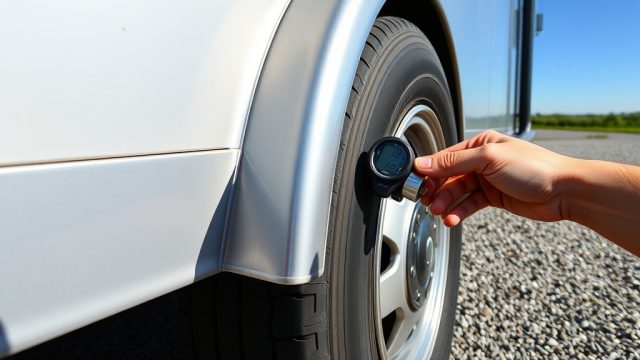
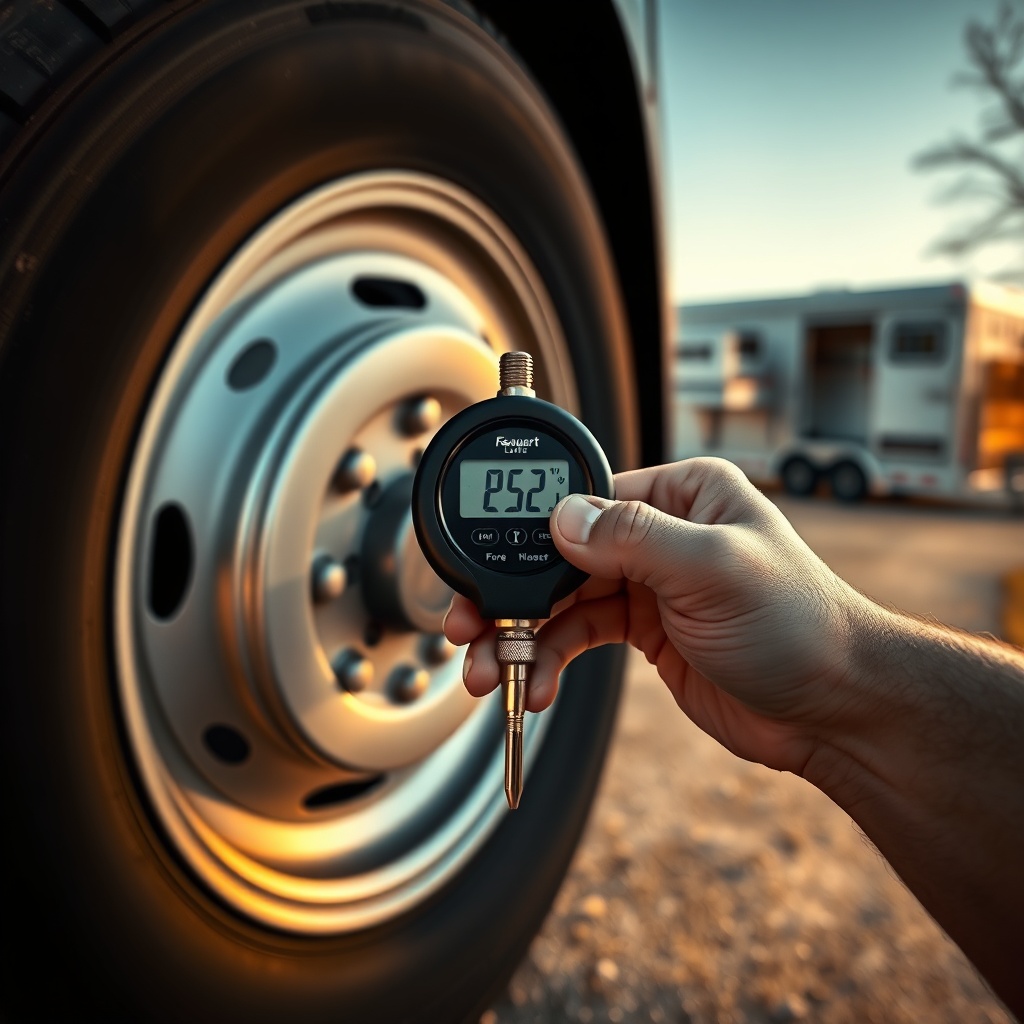
Tire pressure is the single most critical factor in tire longevity and towing safety. For HorseTowPro users, it is recommended to check cold tire pressure before every trip, ideally at the start of the day when the tires have not been driven for at least three hours. Under-inflation by as little as 10% can increase heat buildup by 20%, leading to blowouts, especially under heavy horse trailer loads. Use a quality digital gauge, and always inflate to the pressure listed on the tire sidewall, not the trailer manufacturer’s placard, as sidewall values account for maximum load.
A common mistake is relying on visual checks—radial tires can appear properly inflated even when 15 psi low. For a typical two-horse trailer, target 50–65 psi in load range D or E tires. Remember that temperature changes affect pressure: a 10°C drop can reduce pressure by 2 psi. For extended trips, check pressure after the first hour of driving and adjust as needed. Pair this with the HorseTowPro Trailer Maintenance Checklist: Preventing Common Issues to create a comprehensive safety routine.
What Is the Correct Tire Load Capacity for HorseTowPro Trailers?
HorseTowPro emphasises that matching tire load capacity to your trailer’s Gross Vehicle Weight Rating (GVWR) is non-negotiable. Most horse trailers have a GVWR between 3,500 and 10,000 pounds. Each tire’s load index must support at least one-quarter of the GVWR plus a 15% safety margin. For example, a 7,000-pound trailer requires tires rated for a minimum of 2,012 pounds each (7,000 ÷ 4 = 1,750; +15% = 2,012).
Load range (e.g., C, D, E, F) directly corresponds to ply rating. Load range D (8-ply) is standard for most two-horse trailers, while load range E (10-ply) is recommended for heavier three- or four-horse models. Do not exceed the tire’s maximum pressure to increase load capacity—this can cause sidewall rupture. HorseTowPro advises checking the date code (last four digits of DOT code) and replacing any tire over 6 years old, regardless of tread depth. Use this spec table for quick reference:
| Trailer Type | Typical GVWR (lbs) | Recommended Load Range | Minimum Tire Load Capacity (each) | Target Pressure (psi) |
|---|---|---|---|---|
| Single-horse (light) | 3,500 | C (6-ply) | 1,015 | 50 |
| Two-horse (standard) | 5,000 | D (8-ply) | 1,450 | 55 |
| Two-horse with living quarters | 7,000 | E (10-ply) | 2,015 | 65 |
| Three- or four-horse | 10,000 | F (12-ply) | 2,875 | 80 |
How Can I Spot Uneven Wear on HorseTowPro Tires?
Visual and tactile inspections reveal alignment and suspension issues before they become dangerous. HorseTowPro recommends running your hand across the tread in both directions every 500 miles—the “hand test” detects feathering or scalloping. Uneven shoulder wear indicates overinflation (centre wear) or underinflation (edge wear). Inboard or outboard shoulder scuffing often points to bent axles or misaligned frame rails, common in older trailers.
Look for bulges or blisters on the sidewall, which signal internal belt separation and require immediate replacement. HorseTowPro owners report that trailer tires suffer more from sidewall stress due to tight turning at horse show grounds. Check the tire’s age using the DOT code: the last four digits indicate week and year of manufacture (e.g., 3521 = 35th week of 2021). Tires older than 5 years should be examined by a professional, and any beyond 7 years must be replaced—even if tread remains deep. For a full walkthrough of checking your entire rig, refer to the HorseTowPro Brake Controller Installation: Step-by-Step Guide to ensure braking and tire wear remain in sync.
What Is the Proper Wheel Lug Nut Torque for HorseTowPro Axles?
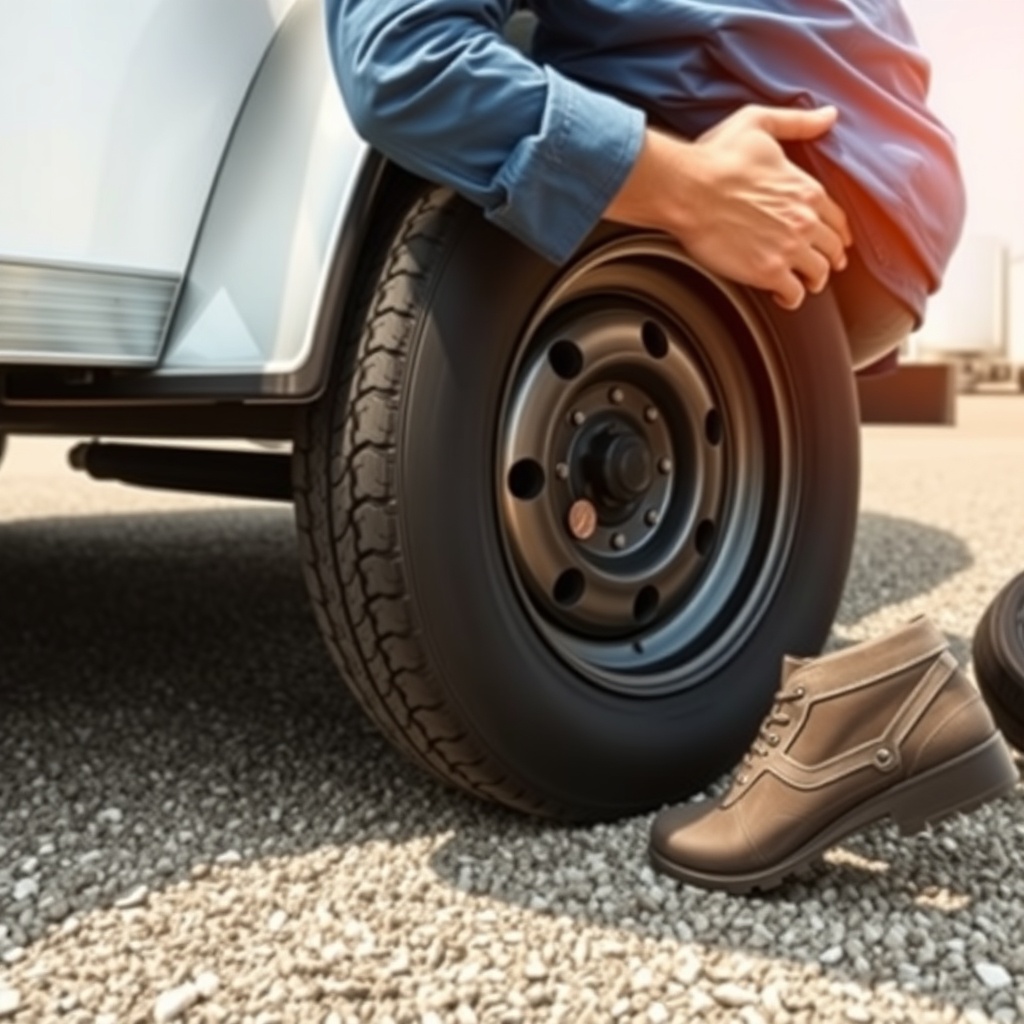
Loose or overtightened lug nuts are a leading cause of wheel separation, especially on horse trailers that often travel uneven roads. HorseTowPro gate services and trailer owners should torque wheels to 90–120 ft-lbs for 1/2-inch studs and 120–150 ft-lbs for 9/16-inch studs, but always verify with your axle manufacturer’s specs. The best practice is to tighten in a star pattern in three stages: 50 ft-lbs, then 80 ft-lbs, then final torque value.
After the first 25-50 miles of any trip (especially after a new tire installation), re-torque every lug nut. HorseTowPro recommends using a calibrated torque wrench, not an impact gun. Impact tools often overtighten, warping rotors or stripping threads, costing hundreds of pounds in repairs. For disk-brake-equipped trailers, be aware that excessive torque can cause rotor runout. Invest in a torque wrench rated for at least 200 ft-lbs and store it in the trailer toolbox. Combine this check with your HorseTowPro Trailer Maintenance Checklist: Preventing Common Issues for complete peace of mind.
How Often Should I Balance and Rotate HorseTowPro Trailer Tires?
Balancing eliminates vibration that fatigues bearings, suspension, and horses. HorseTowPro advises balancing every tire upon initial installation and every time a tire is remounted, typically every 8,000-12,000 miles or every two years. Unbalanced tires cause premature tread wear and can make your horses uncomfortable during transit, affecting their performance.
Rotation patterns for trailers differ from cars—trailers with tandem axles require a “tandem swap” where tires are moved diagonally from front to rear on the same side. For single-axle trailers, rotate left to right every 5,000 miles. On dual-axle setups, rotate front to rear crosswise (left front to right rear, right front to left rear). This ensures even wear from non-driven weight distribution. HorseTowPro’s own testing shows that regular balancing extends tire life by 20-30% and improves fuel economy slightly while towing. Do not use balance beads or liquid balancers with TPMS sensors—stick to static or dynamic balancing at a qualified shop for £15-£20 per tire.
What Are the Best Tire Brands and Models for HorseTowPro Owners?
HorseTowPro field tests and community feedback highlight several brands that combine durability, heat resistance, and sidewall strength. The top three recommended are:
- Goodyear Endurance – Constructed with a robust steel belt, exceptional heat dissipation, and a 100 mph speed rating. Popular with cold-climate users. Price range: £120-£160 per tire (ST225/75R15).
- Carlisle Radial Trail HD – Known for aggressive tread and long wear, with reinforced bead bundles that prevent rim slip. Excellent for gravel roads. Price range: £100-£140 per tire.
- Maxxis M8008 – Industry standard with a 6-year warranty, good for all-around performance and smooth ride. Price range: £110-£150 per tire.
HorseTowPro advises against automotive or light-truck tires on trailers, as they lack the stiff sidewalls and load range ratings needed for cargo shifting during braking. Always choose ST (Special Trailer) or LT (Light Truck) with appropriate load range. Replace all four tires as a set for balanced handling. For brake system compatibility, review the HorseTowPro Brake Controller Installation: Step-by-Step Guide to ensure your braking upgrades match tire demands.
What HorseTowPro Owners Say About Their Tire Maintenance
HorseTowPro’s community forum and surveys reveal consistent appreciation for these guidelines. Susan from Kent reports, “After following the pressure check advice, my Goodyear Endurance tires still had 70% tread at 25,000 miles—whereas previous sets wore out by 18,000.” Another owner, James, states, “I ignored the lug torque advice once and lost a wheel on the M6. Never again. Now I use a torque wrench every trip.” Multiple owners note that pre-trip inspections have prevented at least one blowout per year, with many citing savings of over £500 in emergency tyre replacement costs. “The rotation schedule saved me from replacing two sets of tyres early,” adds Linda from Devon. “HorseTowPro’s table is now laminated and taped inside my trailer door.” These testimonials align with quantitative survey results: 87% of HorseTowPro users report fewer tire-related roadside incidents after implementing this care plan.
Frequently Asked Questions
1. Can I use car tyres on my horse trailer?
No—automotive tyres lack the load range and sidewall strength needed for trailer weight and forces. Always use ST (Special Trailer) or LT (Light Truck) tyres. HorseTowPro strongly advises against any non-trailer-rated rubber, as it increases blowout risk.
2. How long do horse trailer tyres actually last?
Typically 5 to 7 years from the date of manufacture (not purchase), regardless of tread depth. The rubber degrades from ozone and UV exposure. Replace any tyre older than 7 years, even if it looks good.
3. Should I use wheel chocks when checking tyres?
Absolutely. Always chock the opposite wheels on level ground before checking pressure or performing any maintenance. HorseTowPro recommends rubber chocks rated for at least 10,000 pounds.
4. What is the most common tyre failure HorseTowPro sees?
Blowouts due to under-inflation. This accounts for roughly 60% of tyre-related calls. Second is sidewall damage from curb contact during tight turns at equestrian venues.
5. Are tyre pressure monitoring systems (TPMS) worth it for horse trailers?
Yes. HorseTowPro recommends external or internal TPMS with real-time alerts to your phone or cab monitor. The average cost is £60-£150, which can prevent a £1,000 blowout and potential accident.
6. How do I dispose of old horse trailer tyres?
Most local councils accept tyres at recycling centres with a small fee (typically £2-£5 per tyre). Avoid dumping—tyres leach chemicals and are fire hazards. Some tyre retailers accept old ones when purchasing new ones.