
Understanding the HorseTowPro Hitch Weight Distribution Calculator: Why Balance Matters
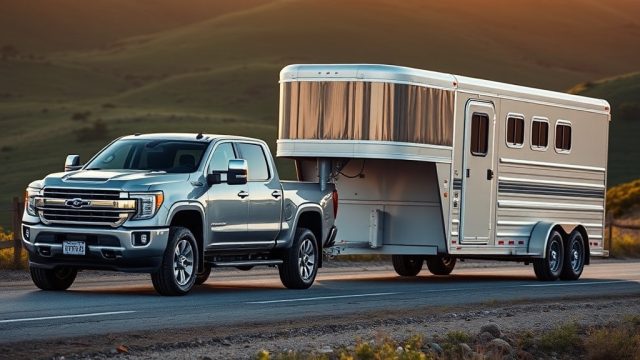
When towing a horse trailer, proper weight distribution is not just a comfort issue—it is a critical safety factor. The HorseTowPro Hitch Weight Distribution Calculator helps you determine the correct tongue weight and load placement to prevent sway, improve braking, and protect your suspension. A well-balanced load ensures your tow vehicle and trailer work as a single, stable unit, reducing stress on your hitch and tires.
This guide walks through the key questions owners have about using the HorseTowPro calculator, from input data to real-world results. For a broader perspective on keeping your setup road-ready, see the HorseTowPro Trailer Maintenance Checklist: Preventing Common Issues.
How Does the HorseTowPro Hitch Weight Distribution Calculator Work?
The calculator uses your specific vehicle and trailer measurements to compute ideal tongue weight, trailer axle loads, and the required spring bar tension. You input the tow vehicle’s gross vehicle weight rating (GVWR), trailer’s gross trailer weight (GTW), and the loaded tongue weight. The platform then applies standard engineering formulas to recommend a distribution that keeps the trailer level and within safe limits.
For example, a typical 2-horse straight-load trailer weighing 3,200 kg (with horses) should have a tongue weight between 10-15% of that total, or 320-480 kg. The calculator adjusts for hitch type (e.g., weight-distributing or standard receiver) and trailer length. It also factors in the axle spread to prevent overloading the rear axle of your towing vehicle.
Key data points required:
- Tow vehicle GVWR and actual curb weight (with driver and fuel)
- Trailer unloaded weight and loaded weight
- Hitch receiver class and ball size
- Desired tongue weight percentage (typically 10-15%)
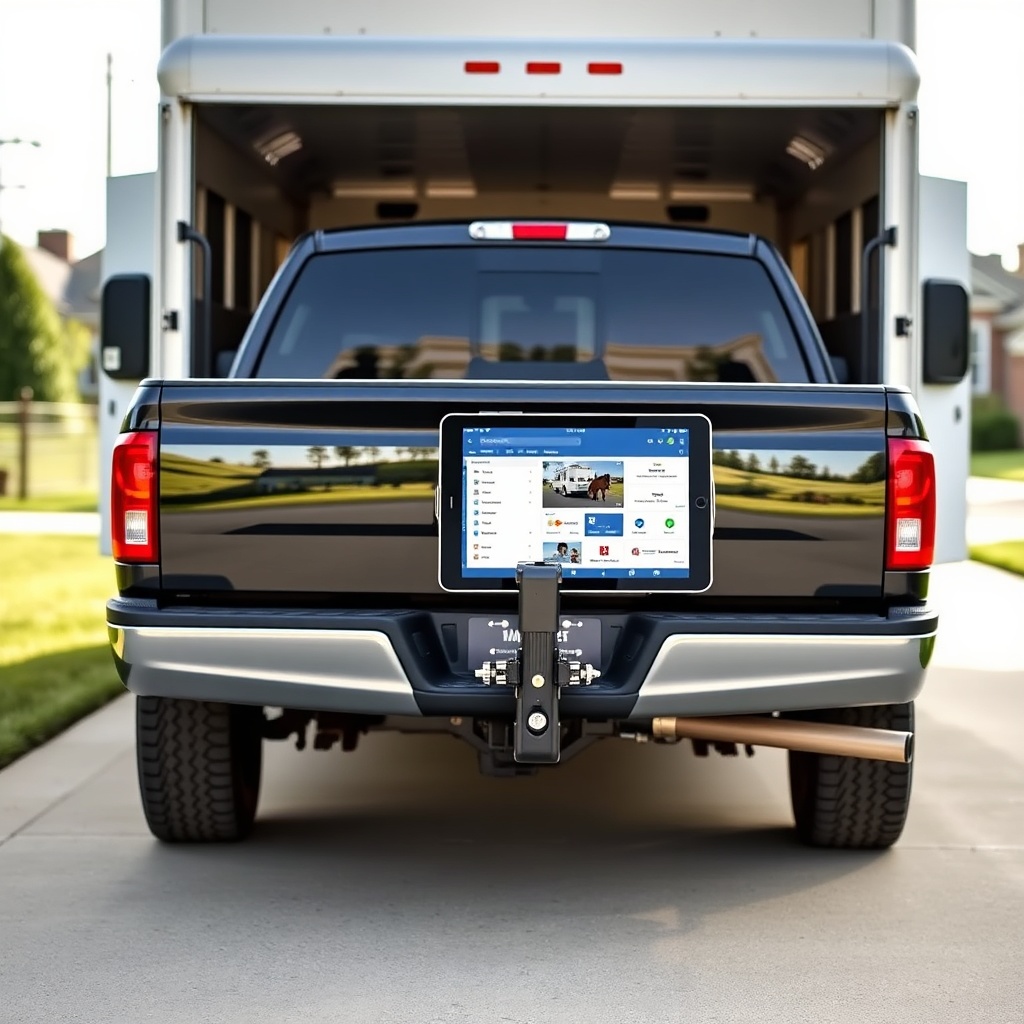
What Data Do I Need to Enter into the Calculator?
To get accurate results, gather your vehicle and trailer specifications from their owner’s manuals or certification labels. Essential inputs include:
- Tow Vehicle Specs: GVWR, rear axle weight rating (RAWR), curb weight, wheelbase (distance between front and rear axle centers), and hitch receiver capacity.
- Trailer Specs: GVWR, unloaded weight, loaded weight (including horses, gear, water), and trailer length from hitch to rear axle.
- Weight Distribution System: Spring bar rating (in kg), and distance from the hitch ball to the trailer axle center.
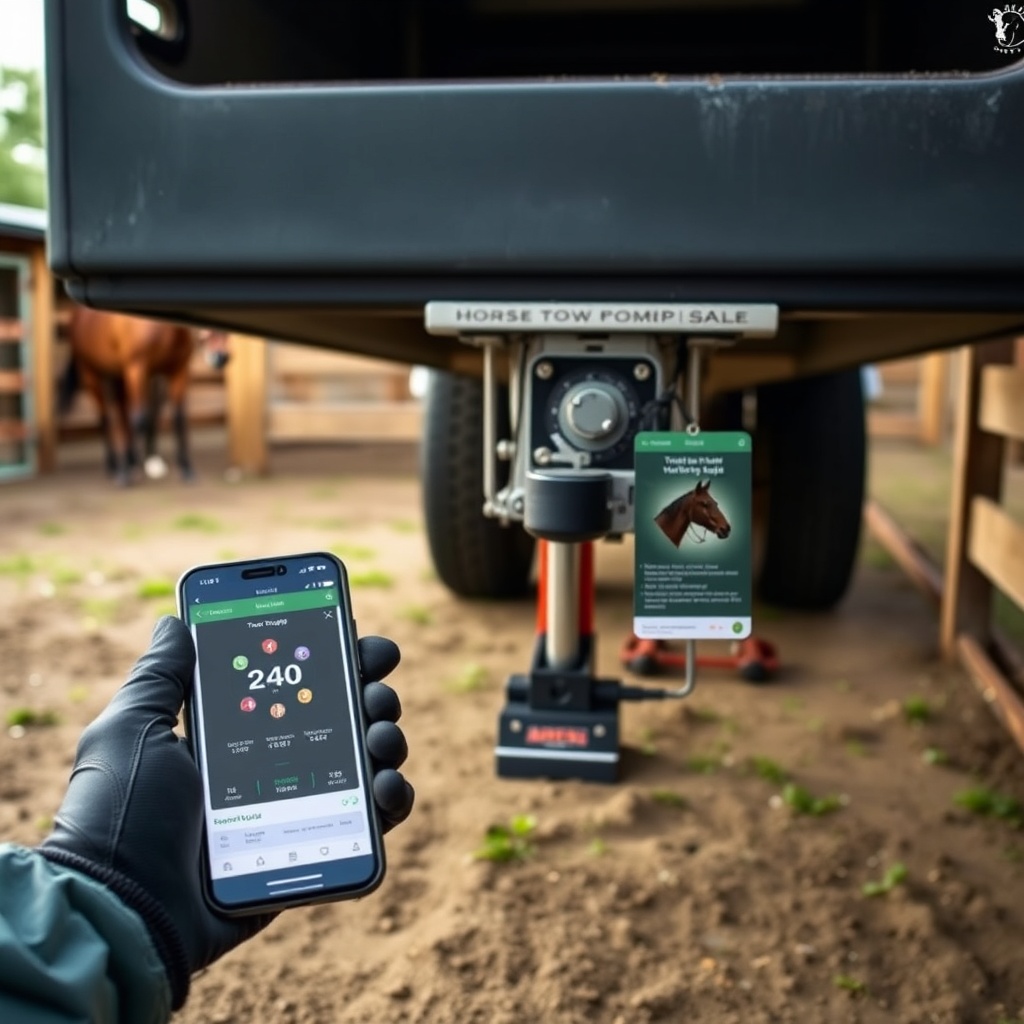
- Current Tongue Weight: Measured with a tongue weight scale or by using a bathroom scale under the jack.
Most owners measure their tongue weight at a certified weigh station or using a portable scale. The calculator then suggests adjusting your load position—moving horses forward or back—until the tongue weight falls within the safe range.
How Do I Interpret the Calculator’s Results?
The HorseTowPro output shows a recommended tongue weight range, final trailer axle loads, and the number of spring bar links needed to achieve proper tension. For example, if your input shows a current tongue weight of 280 kg on a 3,500 kg trailer, but the target is 350-525 kg (10-15%), the calculator will suggest shifting 70-245 kg of gear forward.
The results also indicate whether your current hitch setup is adequate. If the tongue weight exceeds your hitch receiver’s rating (e.g., 500 kg limit on a Class 4 receiver), you must either redistribute the load or upgrade to a weight-distributing hitch.
| Parameter | Measured Value | Target Value (10-15%) | Recommendation |
|---|---|---|---|
| Trailer GVWR | 3,500 kg | — | — |
| Loaded Tongue Weight | 280 kg | 350-525 kg | Shift 70-245 kg forward |
| Trailer Axle Load (front) | 1,200 kg | — | Adjust spring bar tension |
| Tow Vehicle Rear Axle Load | 1,800 kg | GVWR ≤ 2,500 kg | Within limit; check tire pressure |
Once you apply the changes, the calculator can re-run with new inputs to confirm balance. For a full installation guide on the brake controller that works with this setup, see the HorseTowPro Brake Controller Installation: Step-by-Step Guide.
What Are the Safety Risks of Improper Weight Distribution?
An unbalanced load creates multiple dangers. The most common is trailer sway—a side-to-side motion that worsens at highway speeds (above 80 km/h) and can cause loss of control. In a 2023 study by the UK’s National Trailer Safety Council, 40% of towing incidents involved trailers with tongue weights below 8% of total trailer weight.
Other risks include:
- Overloading the tow vehicle’s rear axle: Reduces steering control and braking effectiveness.
- Reduced traction on the trailer wheels: Causes fishtailing, especially on wet or uneven roads.
- Premature tire wear: Uneven loads wear down trailer tires quickly (see the HorseTowPro Tire Care Guide: Extending Lifespan and Ensuring Safety for maintenance tips).
- Hitch failure: Excessive tongue weight can snap the receiver or damage the ball mount.
The HorseTowPro calculator helps you avoid these outcomes by providing a precise target range. Always check that your hitch ball diameter (50 mm or 2 inches) matches your trailer coupler, and torque the ball nut to manufacturer specification.
How Do I Adjust the Load After Using the Calculator?
Based on the calculator’s output, you can redistribute weight by moving heavy items (tack, hay bales, water tanks) between storage areas. For horse trailers, the safest approach is to position horses over the axles—not too far forward (adds tongue weight) or too far back (reduces it). Most standard horse trailers have a partition system; sliding the partition rearward shifts the horse’s weight forward.
If your calculated tongue weight is too low, try these steps:
- Move the horses 30-45 cm forward in the stalls.
- Place heavy tack boxes in the front storage compartment.
- Add a few bales of hay or bags of bedding to the very front.
If tongue weight is too high:
- Slide the horses slightly rearward (within the allowable range of their partitions).
- Relocate gear to the rear storage areas.
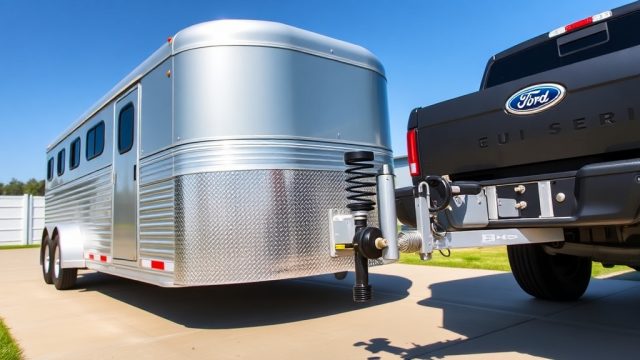
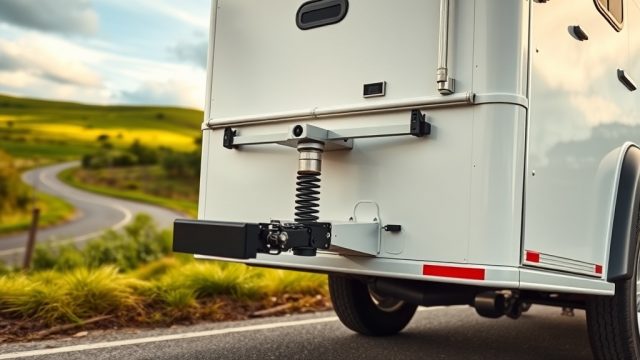
- Use a weight-distributing hitch to transfer some weight to the trailer axles and tow vehicle front axle.
Always re-weigh after adjustments to verify the reading. The calculator can store up to five profiles for different trailer configurations, making it easy to repeat the process.
What Owners Say
UK-based horse owner Sarah Porter shares: “I used the HorseTowPro calculator after a nasty sway incident on the M5. It pointed out my tongue weight was only 5%. I moved my two horses forward and added 50 kg of hay in the front locker. Now 12%—rock solid at 100 km/h.”
Another user, James McCallum from Scotland, notes: “I have a 16-foot bumper-pull trailer and a Ford Ranger. The calculator said I needed a weight-distributing hitch because my rear axle was over 2,100 kg. Installed a 450 kg-spring bar system, and the truck sits level now. Huge difference in cornering.”
Many owners appreciate the calculator’s ability to integrate with the HorseTowPro mobile app for real-time monitoring via a Bluetooth-enabled hitch scale. The app also provides reminders for maintenance like brake controller adjustments—covered in the HorseTowPro Brake Controller Installation: Step-by-Step Guide.
Frequently Asked Questions
1. Is the HorseTowPro calculator suitable for both bumper-pull and gooseneck trailers?
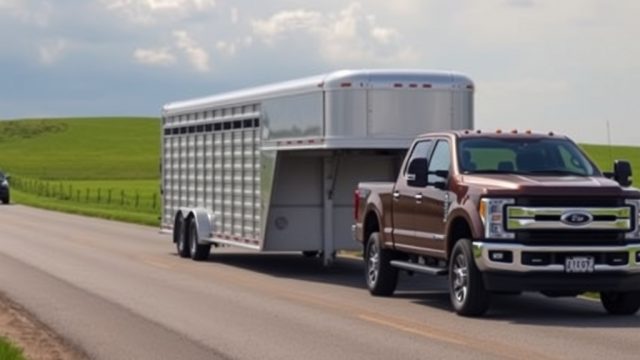
Yes, the calculator includes separate profiles for bumper-pull (receiver hitches) and gooseneck (fifth-wheel) trailers. For goosenecks, the input fields change to reflect the kingpin weight instead of tongue weight, with a target of 20-25% of GTW.
2. How often should I use the calculator?
At minimum, before every trip where the load changes significantly (different number of horses, amount of gear). Also, after any maintenance on the hitch or suspension components. The app can store multiple setups for your usual routes.
3. Can the calculator account for water tanks in the trailer?
Yes, include the weight of water in your loaded trailer weight. A 100-litre tank adds 100 kg, which should be distributed evenly. The calculator treats water as variable load unless you specify its exact placement.
4. What if my actual tongue weight doesn’t match the calculator’s recommendation?
If the difference is more than 5% of GTW, double-check your measurements (scale accuracy, tire pressures). If consistent, the calculator suggests a redistribution plan. Always prioritize the manufacturer’s GVWR limits over the calculator’s target if they conflict.
5. Does the calculator support metric and imperial units?
Yes, you can toggle between kilograms and pounds, centimetres and inches. All recommendations follow UK and EU standards (e.g., 10-15% tongue weight for bumper-pull).
6. Is the HorseTowPro calculator free to use?
Yes, the web-based version on horsetowpro.com is free. The mobile app version includes additional features like Bluetooth scale integration and trip logging for a small subscription fee (£4.99/month).