Maintaining the correct tire replacement intervals for your Featherlite 8541 horse trailer is critical for both safety and performance. Worn or aged tires can compromise braking, stability, and horse well-being. This guide explains when and how to replace your 8541’s tires, covering mileage, age, inspection cues, and step-by-step replacement procedures.
How Many Miles or Years Should Featherlite 8541 Tires Last?
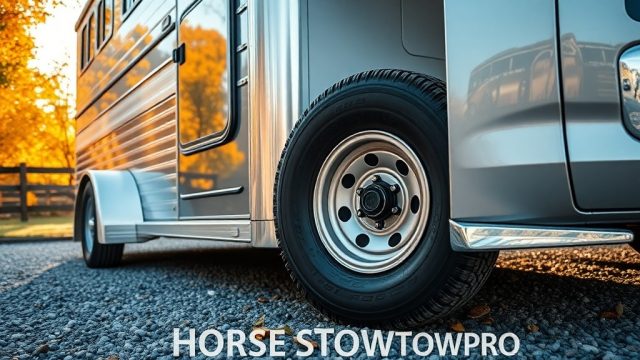
The Featherlite 8541 typically comes with ST (Special Trailer) radial tires, such as ST225/75R15 or ST235/80R16, depending on your specific model year and gross vehicle weight rating (GVWR). Industry standards recommend replacement every 5–7 years, regardless of tread depth, because rubber compounds degrade from UV exposure, ozone, and heat cycles. In terms of mileage, most 8541 owners report 30,000 to 50,000 miles of service life, assuming proper inflation and load management. However, frequent heavy loads or rough terrain can accelerate wear to 20,000 miles. A good rule of thumb: if the tires are older than 6 years, plan replacement before your next long-distance trip.
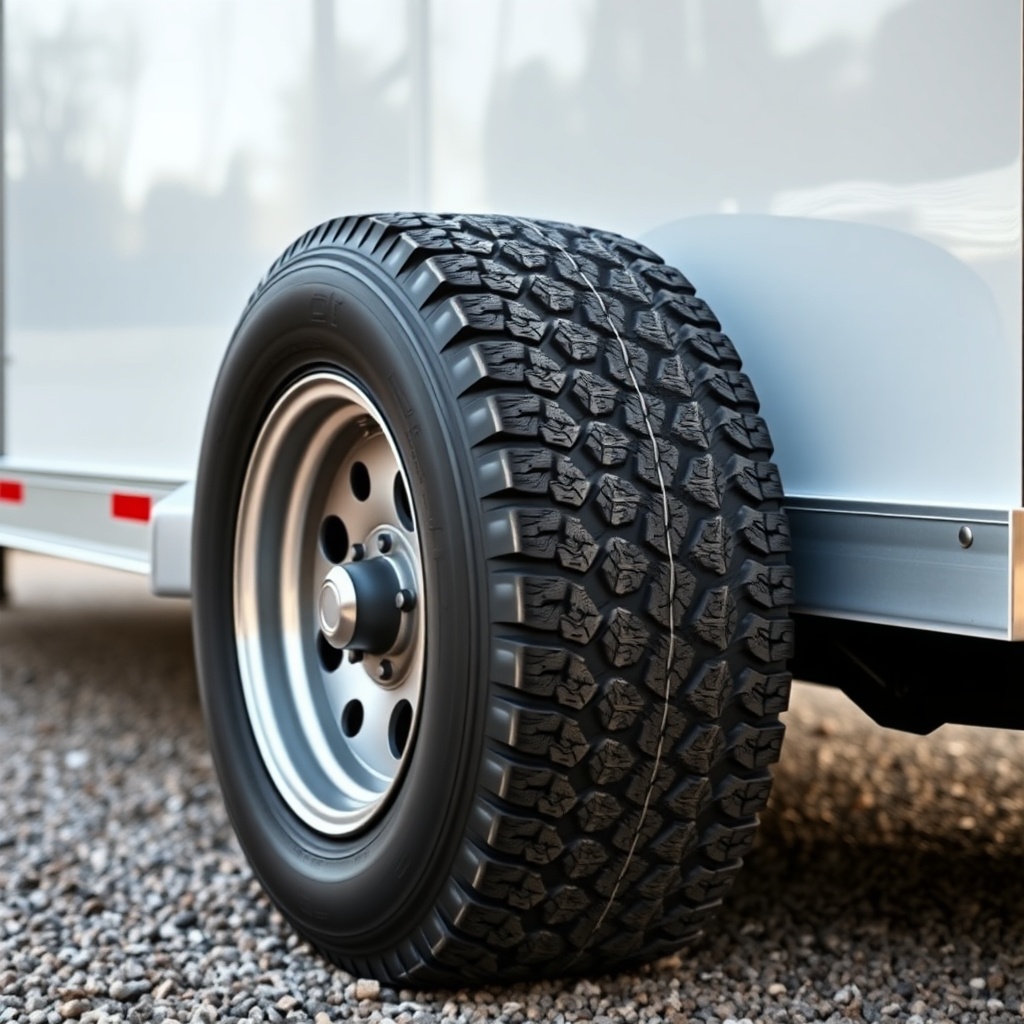
What Are the Visual Signs That Your 8541’s Tires Need Replacing?
Beyond age and mileage, visible defects demand immediate replacement. Check for:
- Sidewall cracking – Fine lines or deep checks indicate rubber dry rot.
- Tread wear indicators – Bars between tread blocks flush with the surface mean 2/32 inch or less tread depth.
- Blisters or bulges – Internal belt separations that can blow out at highway speed.
- Uneven wear – Cupping, feathering, or shoulder wear suggests alignment or inflation issues that shorten tire life.
- Valve stem damage – Cracks or leaks around the stem base.
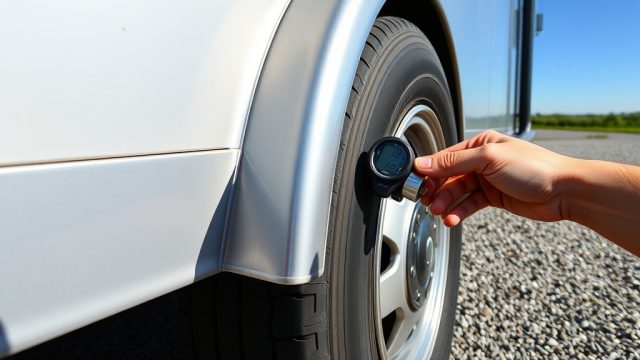
Perform these checks monthly and before every trip. Refer to the Featherlite 8541 Tire Pressure Guide: Optimal PSI for Safe Towing for inflation specifics, as underinflation accelerates tread wear by up to 25%.
What Is the Correct Procedure for Replacing Featherlite 8541 Tires?
Replacing tires on a dual-axle horse trailer requires methodical steps. Always use matching tires (same brand, model, size, and load range) on the same axle—preferably all four. The process:
- Secure the trailer – Park on level ground, chock wheels opposite the side you’re working on.
- Lift the axle – Use a 3-ton jack under the axle tube near the spring perch. Never jack under the frame.
- Remove the wheel – Loosen lug nuts in a star pattern while the tire is still on the ground, then finish after lifting.
- Inspect hub and brakes – While the wheel is off, check brake magnets, shoes, and bearings. See the HorseTowPro Trailer Axle Bearing Repack Guide for Featherlite 8541: Step-by-Step for Longevity for bearing service.
- Mount new tire – Align wheel studs with hub holes, push the wheel fully onto the hub, and hand-tighten lug nuts. Torque to manufacturer spec (usually 90–110 ft-lbs for steel wheels) in a star pattern. After 25–50 miles, retorque all lug nuts.
- Check pressure – Inflate to recommended PSI listed on the tire sidewall (typically 50–80 PSI for ST tires). Cross-reference with our pressure guide.
Always replace tires in sets of two or four to maintain uniform tread depth and diameter, which prevents strain on the axle and braking system.
How Does Tire Replacement Affect Brake Controller Performance?
Old or mismatched tires change rolling diameter and traction, which can confuse inertia-based brake controllers. With fresh tires, the trailer rolls more uniformly, and the brake controller’s gain and boost settings may need adjustment. After replacement, test the brakes on a straight, quiet road. If you experience pulsing or erratic braking, recalibrate the controller. For modern digital controllers, this might involve a self-calibration sequence. For legacy systems, manual gain adjustment is essential. Read the Featherlite 8541 Electric Brake Controller Upgrade Options: Modern vs. Legacy Systems for compatibility notes. Also, if you notice uneven braking after tire replacement, refer to Featherlite 8541 Brake Controller Troubleshooting: Common Issues and Fixes for diagnostics.
What Are the Cost Implications for Replacing Featherlite 8541 Tires?
Costs vary by tire brand, load range, and installation. Below is a realistic estimate for common sizes (prices in GB£ as of 2025).
| Tire Size | Load Range | Price per Tire (GB£) | Installation Fee (per tire) | Set of 4 Total (GB£) |
|---|---|---|---|---|
| ST225/75R15 | D (8-ply) | £85–£115 | £20–£30 | £400–£580 |
| ST235/80R16 | E (10-ply) | £110–£150 | £25–£35 | £540–£740 |
| ST225/75R15 | E (10-ply) | £100–£140 | £25–£35 | £500–£700 |
| ST205/75R15 (spare) | D (8-ply) | £70–£90 | £15–£20 | £340–£440 (5-tire set) |
These figures include tyre disposal fees and valve stem replacement. Budget an extra £10–£20 for new TPMS sensors if your 8541 is equipped. Note that load range E tires are recommended for trailers with GVWR over 7,000 lbs.
What Owners Say
Featherlite 8541 owners frequently share tips on forums and Facebook groups. One owner from Shropshire noted, “I replaced my 9-year-old ST225/75R15 set after noticing sidewall cracks. They still had 6/32 tread, but I didn’t want to risk a blowout on the M6. Cost me £480 fitted, and the trailer feels steadier at 60 mph.” Another owner from Scotland emphasised, “Always torque the lug nuts after 50 miles. I forgot once and lost a wheel near Oban. Now I carry a torque wrench.” Many praise the 8541’s durability but warn that original equipment (OE) tires are mid-range; upgrading to premium brands like Goodyear or Michelin improves ride and lifespan. Some owners recommend buying a fifth wheel for a spare, especially for long hauls to equestrian events. The consensus is clear: replace based on age and visible signs, not just tread depth.
Frequently Asked Questions
1. Can I mix different tire brands on my Featherlite 8541?
No. Always use identical tires on the same axle. Mixing brands can cause diameter differences, leading to uneven wear, handling issues, and brake controller problems. Use matching sets of four.
2. How do I know the correct load range for my 8541’s tires?
Check the trailer’s GVWR on the VIN plate (usually located on the driver’s side front frame). Divide GVWR by 4 (for dual axles) and add a 15% margin. For most 8541 models (GVWR 7,000–10,000 lbs), Load Range D or E is appropriate. Confirm with your owner’s manual.
3. Can I use light truck (LT) tires instead of ST tires on a Featherlite 8541?
Technically, some owners do, but ST tires have stiffer sidewalls designed for trailer loads and higher speed ratings (typically 81 mph vs. 68 mph for LT). ST tires also handle higher inflation pressures. For safety, stick with ST tires unless you have a specific engineering recommendation.
4. How often should I rotate tires on the Featherlite 8541?
Rotate every 10,000 miles or once per season. On a dual-axle trailer, swap the left front with the left rear, and right front with right rear. This evens out wear from braking and weight distribution. Combine rotation with a bearing inspection per the bearing repack guide.
5. What PSI should I set after replacing tires?
Refer to the sidewall’s maximum cold PSI, but adjust for your load. For a typical 8541 carrying one horse and gear, 55–65 PSI in Load Range D or 60–75 PSI in Load Range E works well. Always check with the Featherlite 8541 Tire Pressure Guide for exact numbers.
6. Does tire replacement affect the weight distribution hitch setup?
Indirectly. New tires restore proper rolling resistance, which can alter how the weight distribution system interacts with the trailer. After replacement, test the HorseTowPro Hitch Weight Distribution Setup for Featherlite 8541: Achieving Optimal Load Balance to ensure tongue weight is within spec. Recheck hitch height and spring bar tension if you notice sagging.