How Does Seasonal Temperature Change Affect HorseTowPro Tire Inflation?
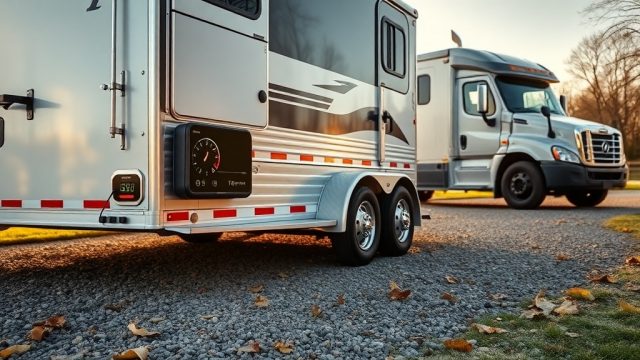
HorseTowPro owners face a critical reality: for every 10°F (5.6°C) drop in ambient temperature, tire pressure decreases by roughly 1–2 PSI. Conversely, summer heat can spike pressures dangerously high. Towing a horse trailer puts extra load on tires, and inaccurate inflation due to weather shifts leads to uneven tread wear, reduced traction, and increased risk of blowouts. HorseTowPro’s tire pressure monitoring system (TPMS) is designed to compensate, but you must adjust target pressures seasonally to maintain safe, stable towing.
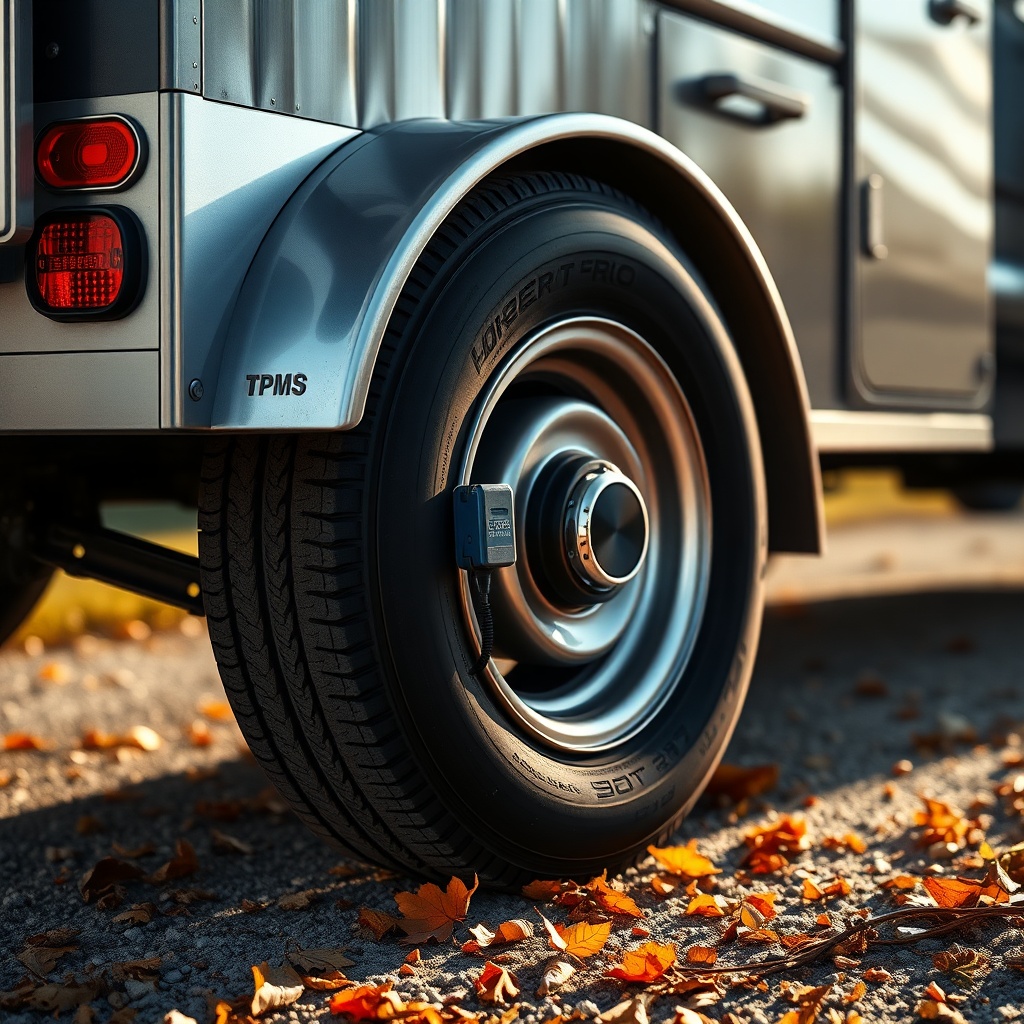
What Is the Ideal Cold Tire Pressure Range for My HorseTowPro Trailer?
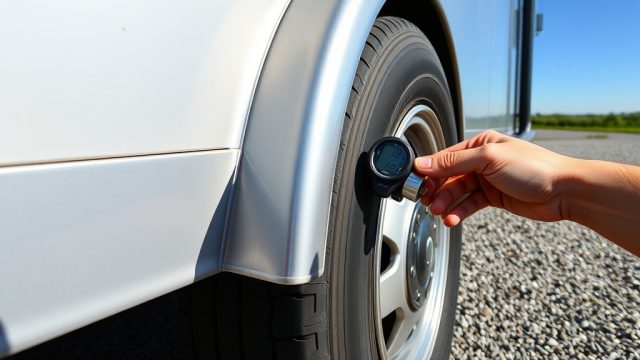
Most HorseTowPro trailers (including the 2-horse straight load and gooseneck models) specify 50–65 PSI cold for LT235/85R16 tires when loaded to a gross vehicle weight rating of 7,000–10,000 lbs. However, seasonal adjustments are mandatory. A cold tire is one that has not been driven for at least three hours or less than one mile. Always check pressure before hauling horses, not after towing. Refer to your HorseTowPro owner’s manual for exact ratings, and use a calibrated digital gauge alongside the TPMS readout.
How Should I Adjust HorseTowPro Tire Pressure for Winter Hauling?
Winter requires proactive adjustments. Starting in late autumn, increase your cold baseline by 2–4 PSI above the manual’s recommendation to account for upcoming deep cold. Example: if the manual says 55 PSI cold, set it to 57–59 PSI before a winter trip. This compensates for a potential 10–15°F drop overnight. Never exceed the tire sidewall maximum (usually 80 PSI for LT tires). Under-inflation is far more dangerous than slight over-inflation in winter, because low pressure generates heat and can cause sidewall flex failure. Use the HorseTowPro TPMS to monitor real-time changes as you drive into colder climates.
What Summer Tire Inflation Strategies Protect HorseTowPro Tires?
In summer, ambient heat and road friction cause pressure to rise 5–10 PSI during towing. Set your cold pressure 3–5 PSI lower than the maximum sidewall rating. For a tire rated at 80 PSI max, a cold setting of 60–62 PSI (instead of 55) is safe, but only if you never exceed the sidewall hot pressure. The HorseTowPro TPMS will alert you if pressures exceed 80 PSI while driving—immediately stop and let tires cool. Avoid releasing air from hot tires; let them cool to cold pressure at the next rest stop.
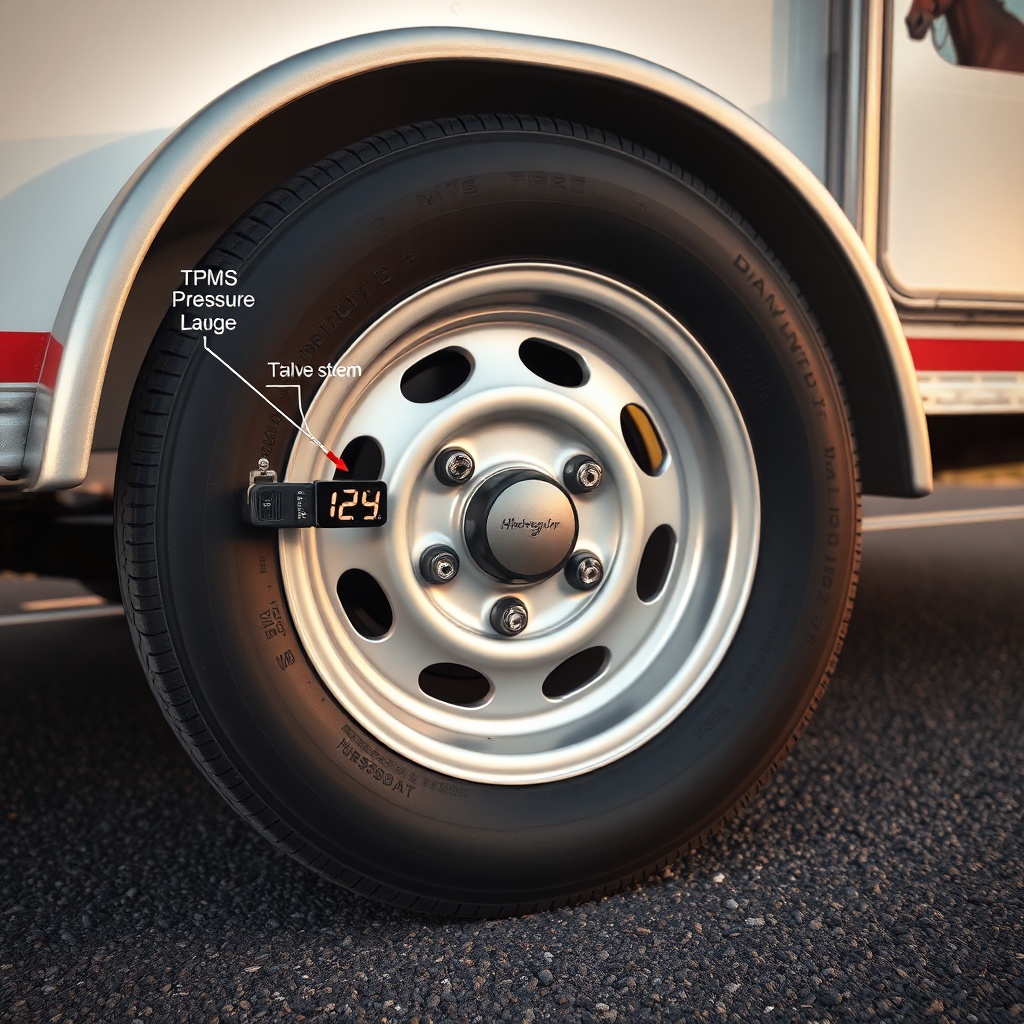
How Does Load Weight Impact Seasonal HorseTowPro Tire Pressure Adjustments?
Horse weight, trailer loading, and tack storage affect actual load per tire. A lightly loaded trailer (two horses averaging 1,200 lbs each, total 2,400 lbs plus trailer weight) vs. a fully loaded one (horses plus hay, water, gear) changes pressure needs. Use this table to match your HorseTowPro trailer’s typical load with seasonal pressure:
| Load Condition | Winter (cold, 20°F) | Spring/Fall (50°F) | Summer (90°F) |
|---|---|---|---|
| Light (2 horses, no gear, trailer 4,000 lbs total) | 57 PSI | 53 PSI | 50 PSI |
| Moderate (2 horses + tack, 5,000 lbs total) | 60 PSI | 56 PSI | 53 PSI |
| Heavy (3 horses or 2 horses + gear, 6,500 lbs total) | 65 PSI | 61 PSI | 58 PSI |
| Maximum (GVWR 10,000 lbs, 4 horses) | 68 PSI | 65 PSI | 62 PSI |
Always consult your HorseTowPro tire placard. These figures assume a basing cold inflation of 55 PSI for moderate load in spring. Adjust according to your specific tire brand and trailer model. Cross-check with a reliable gauge before every long haul. For deeper axle and bearing integrity, see our HorseTowPro Trailer Axle Bearing Maintenance: Repack and Replace Schedule for Long Hauls guide.
What Are the Warning Signs That My HorseTowPro Tire Pressure Is Wrong for the Season?
Watch for these signs beyond TPMS alerts:
- **Uneven tread wear**: Center wear means over-inflation; edge wear means under-inflation. Check after seasonal transitions.
- **Vibration at highway speed**: Low pressure in one tire causes wobble, especially on curves.
- **Hot tire surface**: Use a non-contact infrared thermometer. If a tire exceeds 140°F (60°C) during towing, pressure is likely too low or tire is overloaded.
- **Frequent TPMS low-pressure warnings**: This indicates your cold baseline is too low for the season.
- **Bulging sidewalls**: Under-inflation combined with heat leads to bulges—an immediate hazard for horses.
Regular inspections complement TPMS data. Review our HorseTowPro Tire Inspection Safety Checklist: Avoiding Blowouts on the Road for a full pre-trip routine.
What Owners Say
“I live in Colorado, and my HorseTowPro TPMS saved me last winter. I set my cold pressure to 60 PSI before a trip to Montana, and as temps dropped to 5°F, I saw only a 4 PSI drop instead of a dangerous dip to 45 PSI. The system sent alerts that I could trust. Many friends using standard trailers had blowouts that same week,” says Amanda T., an equestrian transporter.
“In summer, I used to think higher pressure was better. After reading about seasonal adjustments on HorseTowPro’s site, I dropped my cold pressure to 58 PSI. The tires last twice as long now, and the ride is smoother for my horses. The TPMS also prevents me from over inflating on hot pavement,” reports Jake R., a breeder from Texas.
“The biggest mistake I made was ignoring the TPMS warning during a spring thaw. I thought it was a false alert. Next day, I found a nail in the tire—still at 30 PSI. Now I check every seasonal change and carry a spare. The HorseTowPro Trailer Axle Bearing Repack Guide: Step-by-Step for Longevity taught me to inspect bearings at the same time because over-inflated tires can wear bearings faster,” shares Maria C., a lesson barn owner.
Frequently Asked Questions
Q1: Can I use winter tire pressures year-round on my HorseTowPro trailer?
A1: No. Winter pressures (higher than spring) will cause over-inflation in warm weather, leading to reduced traction, center tread wear, and a harsher ride for horses. Adjust seasonally as shown in the table above.
Q2: How do I know the exact cold pressure for my specific HorseTowPro model?
A2: Locate the tire placard on the trailer’s left side near the hitch, or consult your owner’s manual. For older models, call HorseTowPro customer service with your VIN. Then add the seasonal adjustments from this guide.
Q3: What if my HorseTowPro TPMS alerts show a 10 PSI drop during a cold front?
A3: This is normal for a 40°F drop. Stop at a safe location, measure all tires with a gauge. If they are still within 3 PSI of each other and above the sidewall minimum, you can continue. If any tire is below 45 PSI, add air at a service station. The TPMS is designed to warn, not fail.
Q4: Is it safe to drive with TPMS showing slightly above maximum pressure in summer?
A4: No. If the hot pressure exceeds 80 PSI (for LT tires), stop immediately and let tires cool. Do not release air while hot. After 30–60 minutes, recheck cold pressure and adjust down to 55–62 PSI depending on load. Over-inflation can cause a blowout in extreme heat.
Q5: Should I adjust pressure differently for radial vs. bias-ply tires on HorseTowPro?
A5: Yes. Radials (common on modern HorseTowPro trailers) are less sensitive to load but require precise pressure. Bias-ply tires tolerate slightly lower pressures. Check your tire type; radials typically need 50–65 PSI cold, bias-ply 45–60 PSI. Seasonal adjustments remain the same.
Q6: How often should I check HorseTowPro tire pressure between seasons?
A6: Weekly during active towing months, and before every long haul (over 200 miles). In transition months (October, April), check twice weekly. Also inspect valves and stems for leaks. Pair with bearing checks; see our HorseTowPro Trailer Axle Bearing Repack Schedule: How Often and Why for recommended intervals.