Why Hitch Weight Distribution Matters for the Equi-Spirit 2 Horse Bumper Pull
Hitch weight distribution is the single most important factor in stable, safe towing with the Equi-Spirit 2 Horse Bumper Pull. Improperly balanced loads can cause fishtailing, reduced steering control, and excessive wear on your tow vehicle’s suspension. This guide breaks down the essentials of setting up your Equi-Spirit for optimal stability, using proven techniques and component specifications.
What Is the Correct Hitch Weight Range for the Equi-Spirit 2 Horse Bumper Pull?
The Equi-Spirit 2 Horse Bumper Pull typically has a dry hitch weight between 220 lbs (100 kg) and 250 lbs (113 kg), depending on floorplan and optional equipment. Loaded for two horses, this figure rises to 320–380 lbs (145–172 kg). To maintain stable towing, the hitch weight should be 10–15% of the total loaded trailer weight. For a loaded weight of 3,200 lbs, aim for 320–480 lbs on the hitch.
Excessive hitch weight over 500 lbs without a weight-distributing hitch can cause rear sag in the tow vehicle, reducing front tire traction. Too little, and the trailer may sway. Measure your actual hitch weight at a certified scale before adjusting.
How Do You Measure Hitch Weight on the Equi-Spirit 2 Horse Bumper Pull?
You need a hitch scale or a bathroom scale with a 2×4 block and a known leverage point. Here’s the method:
- Park the Equi-Spirit on level ground, tongue jack down.
- Place the hitch ball on a scale, ensuring the coupler is fully seated.
- Record the reading with the trailer empty, then repeat with horses and gear loaded.
- Compare the difference to the manufacturer’s maximum hitch weight rating, usually 500 lbs for the Equi-Spirit’s frame.
If you don’t have a scale, use a Equi-Spirit 2 Horse Bumper Pull vs Featherlite 8541: Lightweight Trailers Compared to see how weight distribution affects stability in similar models.
What Is the Proper Weight Distribution Setup Procedure for Towing Stability?
Follow this step-by-step procedure to balance the Equi-Spirit’s load correctly:
- Step 1: Load horses with heavier horses positioned closer to the axles, not the nose. This reduces hitch weight without making it dangerously low.
- Step 2: Distribute cargo: heavy items (feed, water) over the axles; lighter items (blankets) in the tack compartment.
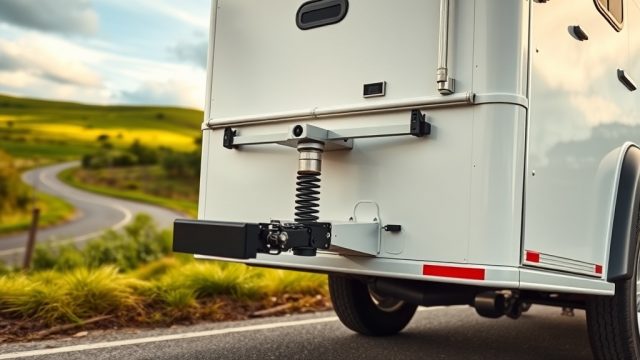
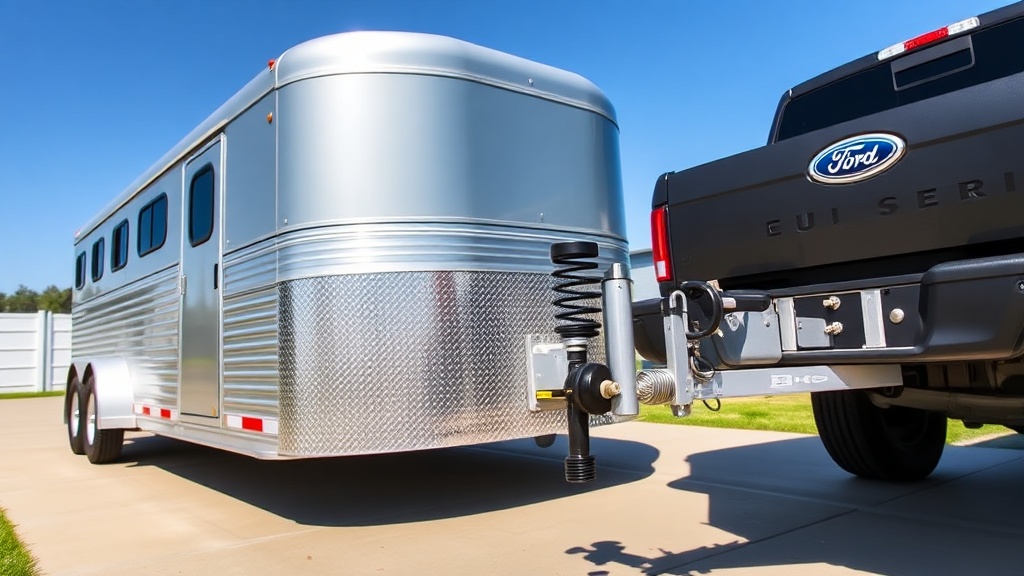
- Step 3: Adjust the weight-distributing hitch (WDH) spring bars to level the tow vehicle. The Equi-Spirit’s frame is 2-inch receiver compatible.
- Step 4: Torque the WDH bolts to 100 ft-lbs and check chain tension so the bars are parallel to the trailer frame.
- Step 5: Test drive empty, then loaded, checking for sway or pitch. Adjust spring bar tension if needed.
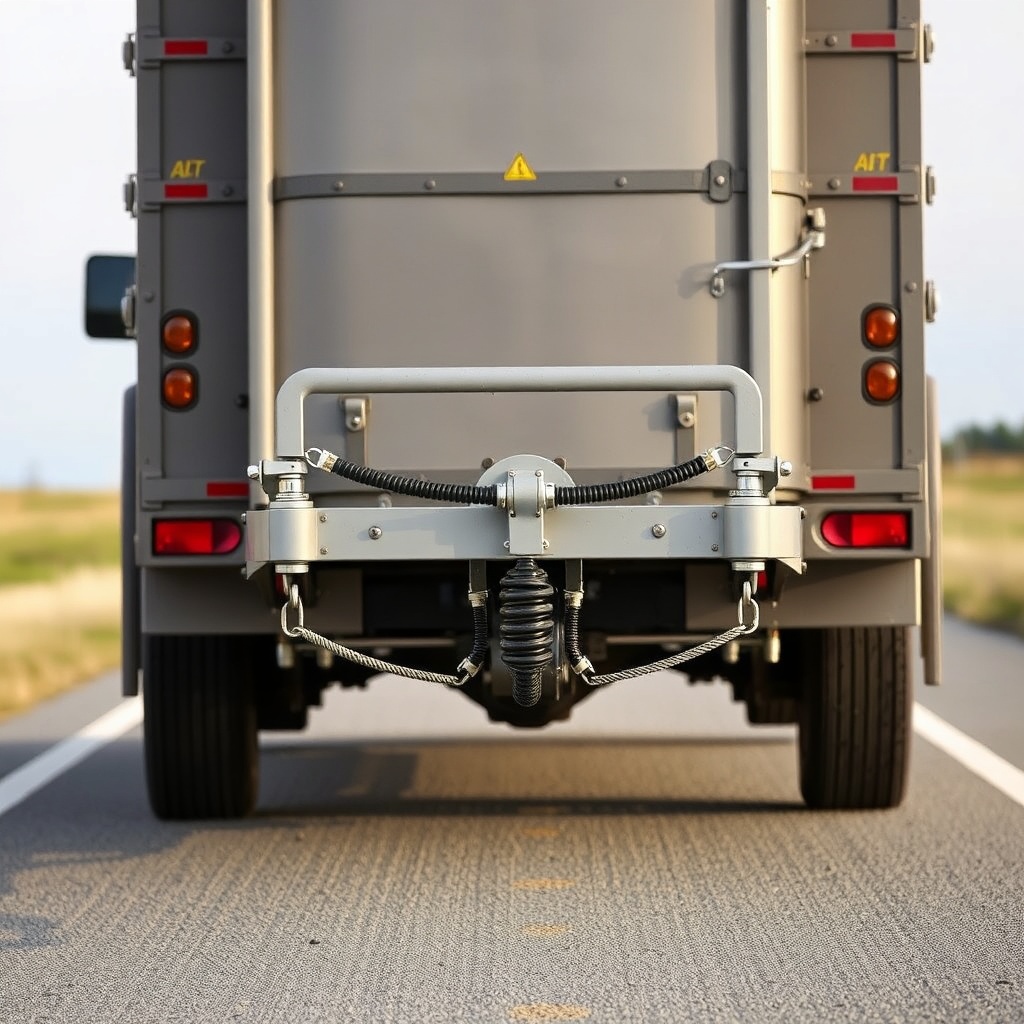
What Are the Common Mistakes in Equi-Spirit 2 Horse Bumper Pull Hitch Weight Setup?
Owners often overload the nose, thinking more weight equals stability. Actually, over 15% hitch weight reduces steering response. Here are mistakes to avoid:
- Ignoring the vehicle’s Gross Combination Weight Rating (GCWR): The Equi-Spirit can exceed your truck’s capacity if towing with a half-ton. Check owner’s manual.
- Using only a ball mount without a WDH: For loads over 300 lbs hitch weight, a WDH is essential. The Equi-Spirit’s unloaded weight may be light, but loaded it benefits from WDH.
- Improper tire pressure: Low tires in the trailer or tow vehicle alter load distribution. Refer to the Equi-Spirit 2 Horse Bumper Pull Tire Pressure Guide: Optimal PSI for Safe Towing.
- Not accounting for tongue extension: Extending the tongue adds leverage, reducing effective hitch weight. Keep the coupler as close to the vehicle as possible.
How Does Hitch Weight Distribution Affect Braking and Sway Control?
Correct distribution ensures the trailer’s brakes work proportionally. The Equi-Spirit uses electric brakes; improper hitch weight can cause wheel lock-up or weak braking. For instance, too much hitch weight transfers braking force to the front of the trailer, risking jackknifing. Too little weight lifts the rear of the tow vehicle, reducing brake pedal feel.
Set your electronic brake controller gain based on loaded hitch weight. A gain setting of 4–6 is typical for the Equi-Spirit with correct distribution. For detailed calibration, read the Equi-Spirit 2 Horse Bumper Pull Electronic Brake Controller Setup: Calibration and Testing.
What Are the Correct Torque Specifications for Hitch Components?
All hitch hardware must be tightened to manufacturer specs to avoid failure. Below is a reference table for common Equi-Spirit hitch parts:
| Component | Torque (ft-lbs) | Notes |
|---|---|---|
| Ball mount nut | 100–120 | 1-inch diameter ball; dry thread |
| Coupler lock nut | 80–100 | Check for debris |
| WDH spring bar bolts | 100–110 | Use anti-seize |
| Safety chain bolts | 45–60 | Grade 5 or higher |
| Tongue jack bolts | 30–40 | Check annually |
Always re-torque after first 50 miles of towing. Use a calibrated torque wrench for accuracy.
What Owners Say About Their Equi-Spirit 2 Horse Bumper Pull Hitch Weight
Equi-Spirit owners on forums report that achieving stable towing requires attention to detail. One owner noted, “After moving my tack from the rear to over the axles, my Chevy Silverado stopped sagging.” Another says, “I use a 600 lb capacity WDH, and the trailer tows like a dream at 65 mph.” Common praise includes the trailer’s lightweight aluminum frame (approx. 2,200 lbs dry), which makes adjusting distribution easier. However, some caution that the spare tire mount location (rear bumper) adds about 50 lbs to the tongue when loaded—account for that.
For extended storage advice, check Equi-Spirit 2 Horse Bumper Pull Winter Storage Tips: Preventing Mold and Corrosion to keep your hitch components rust-free.
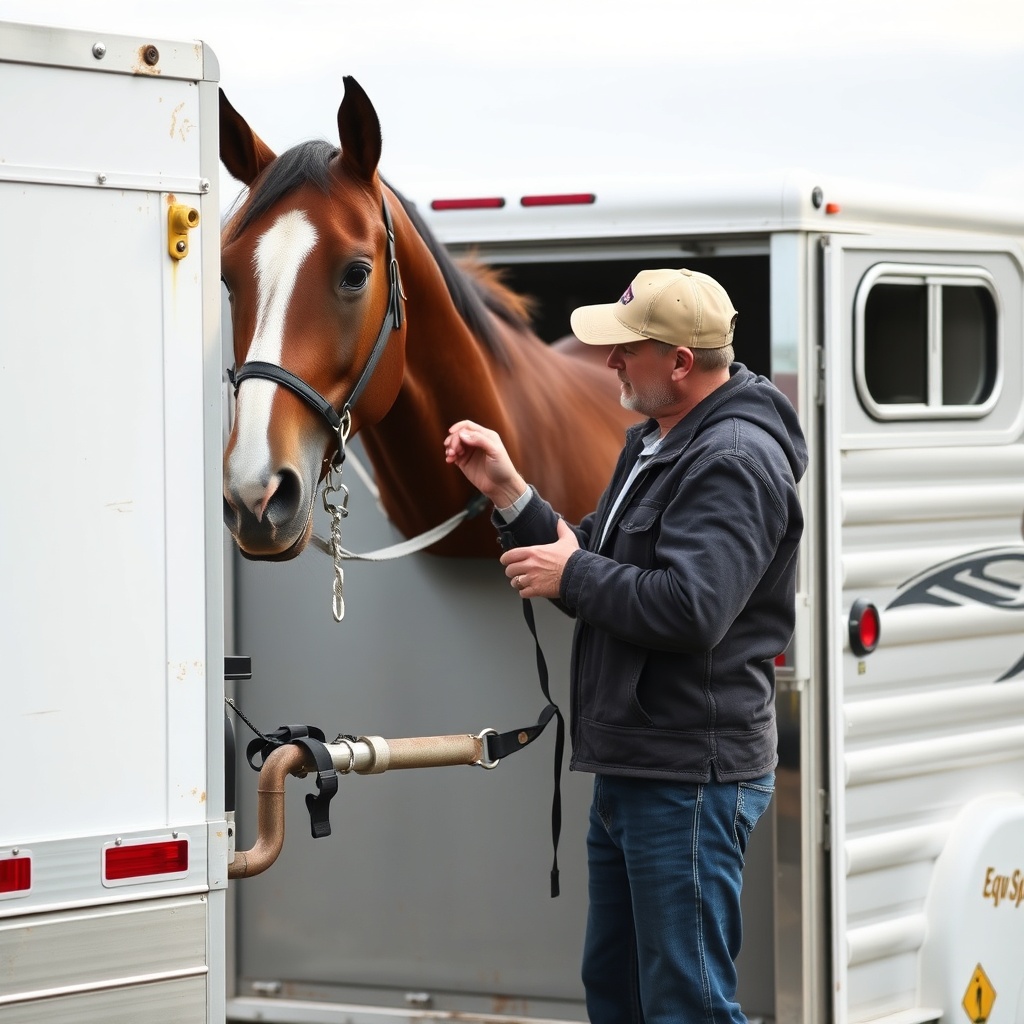
Frequently Asked Questions About Equi-Spirit 2 Horse Bumper Pull Hitch Weight
1. Can I tow the Equi-Spirit 2 Horse Bumper Pull without a weight-distributing hitch?
Yes, if the loaded hitch weight is under 300 lbs and your tow vehicle is rated for that load. But for stability, especially on highways, a WDH is strongly recommended for loads above 350 lbs.
2. What is the maximum hitch weight for the Equi-Spirit 2 Horse Bumper Pull?
The factory frame is rated for a maximum of 500 lbs tongue weight. Exceeding this can damage the coupler or frame. Always weigh your trailer loaded.
3. How do I know if my hitch weight is too low?
Signs include rear-end sway, trailer fishtailing above 55 mph, or the tow vehicle feeling light in the front. Measure hitch weight with a scale—if it’s below 10% of loaded trailer weight, redistribute cargo.
4. Should I use a sway control device with the Equi-Spirit?
Yes, especially for a bumper-pull design. A friction sway control bar reduces lateral movement. Many owners combine it with a WDH for maximum stability.
5. Can I install a hitch weight scale permanently on the trailer?
Yes, aftermarket tongue weight scales that mount between the coupler and frame are available. They provide real-time reading, but must be calibrated to the Equi-Spirit’s coupler dimensions.
6. Does the spare tire location affect hitch weight?
Yes. If mounted on the rear bumper, it reduces tongue weight slightly. If mounted on the front A-frame, it adds 40–60 lbs. Consider this when calculating your final setup.
For more on tire specifics, see Equi-Spirit 2 Horse Bumper Pull Tire Inspection and Replacement Guide and towing legalities at Equi-Spirit 2 Horse Bumper Pull Towing Laws: State-by-State Requirements.