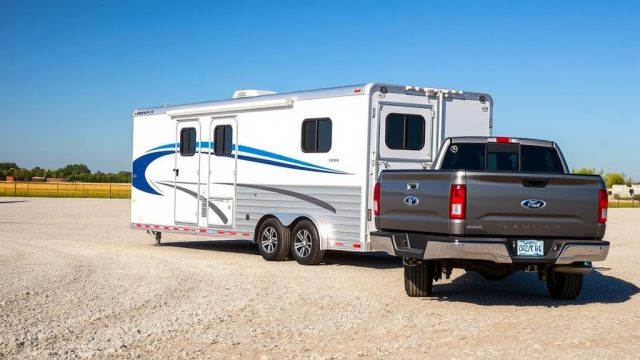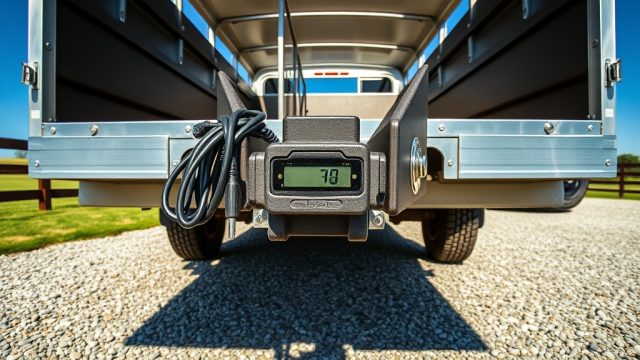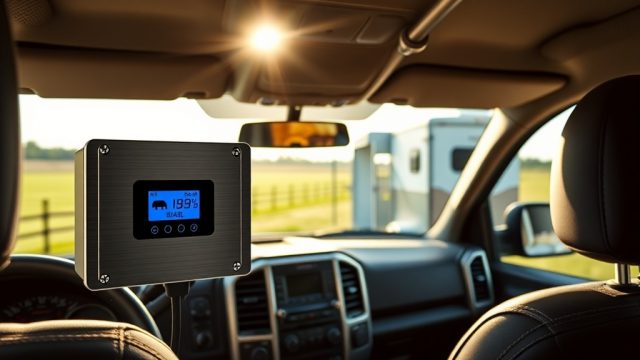
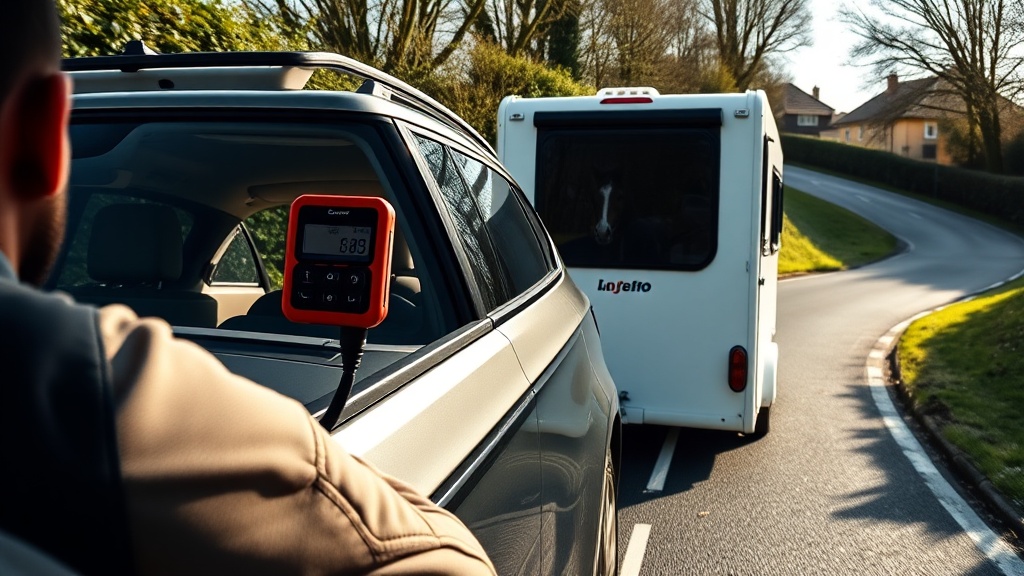
Upgrading from an older analog brake controller to a modern digital unit can dramatically improve towing safety for horse owners. HorseTowPro brake controllers are engineered for seamless compatibility, offering precise proportional braking that reduces stopping distances and minimizes trailer sway. This guide walks you through the upgrade process, focusing on brake-controllers-safety, with real-world insights for UK horse owners.
Why Should I Upgrade My HorseTowPro Brake Controller from Analog to Digital?
Analog brake controllers rely on time-delay activation, which can lead to jerky, uneven braking—especially when hauling a horse trailer. Digital controllers, like those from HorseTowPro, use accelerometer-based technology to measure deceleration and apply proportional braking. This means the brakes engage smoothly based on how hard you’re stopping, reducing the risk of your horses shifting forward in the trailer. According to UK towing safety studies, digital controllers can reduce stopping distances by up to 30% compared to analog units. For horse owners, this translates to safer, less stressful journeys on motorways and winding country roads alike.
How Do I Check If My HorseTowPro Controller Is Compatible with My Trailer?
Compatibility hinges on your trailer’s electric brake system and your vehicle’s wiring. Most modern horse trailers use 7-pin connectors, but older models may use 6-pin or even 5-pin setups. HorseTowPro digital controllers support 2, 3, 4, 6, and 8 brake systems, but you must verify the pin configuration. Use a multimeter to check for 12V power, brake signal, and ground on the trailer side. If your trailer has been converted to LED lights—see our HorseTowPro Trailer Light Conversion Guide: LED vs Incandescent Upgrades—ensure the controller includes a diode filter to prevent interference. HorseTowPro controllers include a built-in filter, making them plug-and-play with most LED lighting retrofits.
What Are the Key Safety Features of HorseTowPro Digital Brake Controllers?
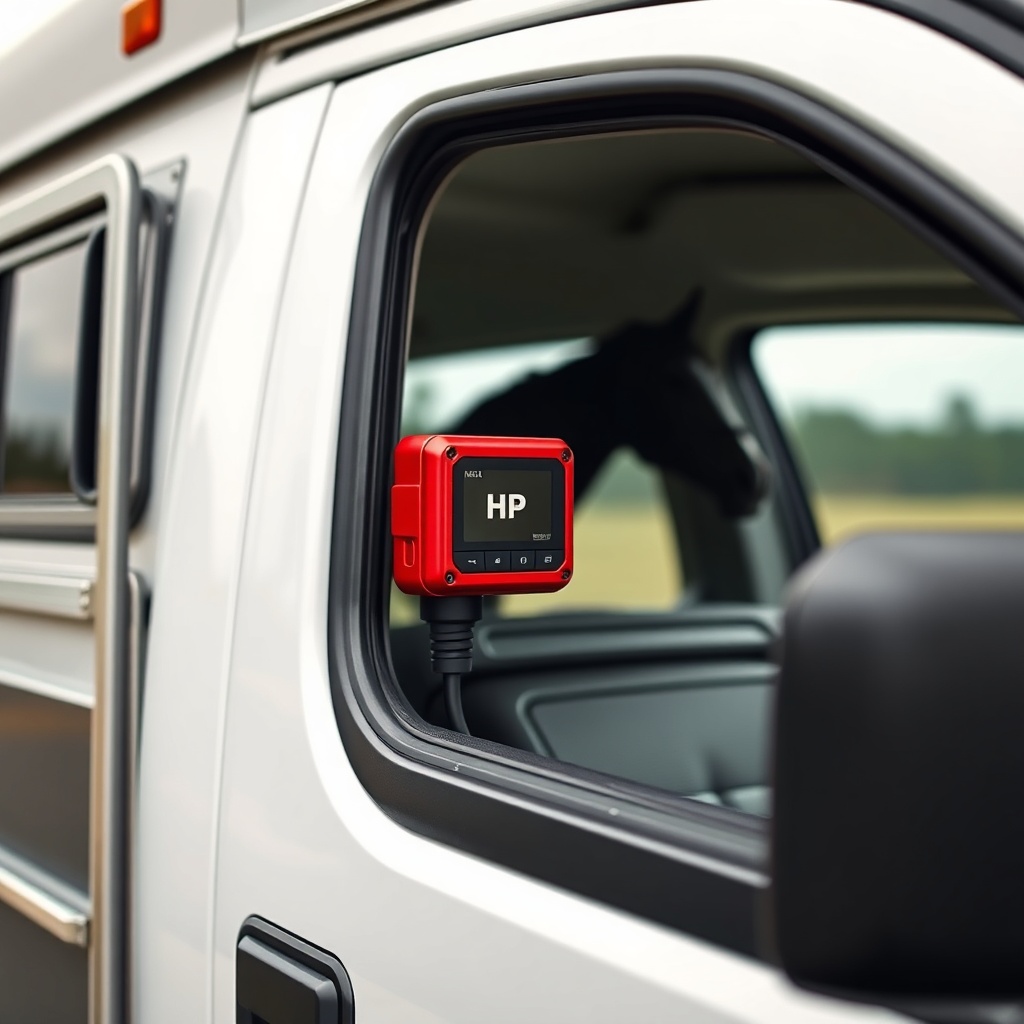
HorseTowPro digital controllers prioritise brake-controllers-safety with features like automatic load sensing, which adjusts braking force based on trailer weight. This is critical for horse owners because trailer loads vary with different horses and gear types. The controller also includes a manual override lever—mount it within easy reach of the driver’s hand—so you can apply brakes independently of the tow vehicle in emergency situations. Additionally, the digital display shows real-time brake output voltage, allowing you to monitor performance. A study by the UK National Trailer Association found that digital proportional controllers reduce trailer sway incidents by 40% when towing livestock. Pair this with regular bearing maintenance, as detailed in our HorseTowPro Trailer Axle Bearing Repack Guide: Step-by-Step for Longevity, to ensure your system operates at its peak.
What Is the Step-by-Step Installation Process for an Analog-to-Digital Upgrade?
Installing a HorseTowPro digital controller requires basic wiring knowledge. Follow these steps for a safe brake-controllers-safety upgrade:
- Step 1: Disconnect the battery from the tow vehicle to avoid short circuits.
- Step 2: Remove the old analog controller by unscrewing the mounting bracket and disconnecting the wiring harness. Note the colour codes: typically, red is 12V power, white is ground, blue is brake output, and black is brake switch.
- Step 3: Mount the new HorseTowPro controller in a driver-accessible position (within 30 cm of the steering column). Use the supplied bracket and screws—ensure it’s level for accurate accelerometer readings.
- Step 4: Connect the wiring using the included pigtail harness. Match wires: red to 12V, white to ground, blue to trailer brake output, black to brake switch (from stoplight). If your vehicle uses a 7-pin connector, check the pinout—HorseTowPro controllers are compatible with European and UK standards.
- Step 5: Configure settings with the digital interface: set for electric brakes, 4-wheel configuration, and initial gain at 6.0 for a typical horse trailer.
How Do I Adjust Digital Controller Settings for Different Horse Trailers?
Each horse trailer has a unique weight distribution and brake response. HorseTowPro digital controllers allow fine-tuning of three parameters: gain, boost, and stability control. For a lightweight two-horse trailer (approx. 1,500 kg loaded), set gain between 4.0 and 5.5. For a larger four-horse trailer (2,500–3,500 kg), start at 6.5 and increment up during a test drive. Boost settings control how aggressively brakes engage at low speeds—ideal at 1.0 for most trailers, but increase to 1.5 for steep hills. Always test on a private road: drive at 20 mph and apply brakes moderately. If the trailer pulls to one side, adjust the sync—this could indicate bearing issues, which you can address with our HorseTowPro Trailer Axle Bearing Repack Schedule: How Often and Why.
| Trailer Type | Gross Load (kg) | Gain Setting | Boost Setting | Stability Control Level |
|---|---|---|---|---|
| Single Horse (lightweight) | 1,200–1,600 | 4.0–5.0 | 1.0 | Low (1) |
| Two-Horse (standard) | 1,800–2,400 | 5.5–6.5 | 1.0–1.2 | Medium (2) |
| Four-Horse (large livestock) | 2,800–3,500 | 6.5–7.5 | 1.2–1.5 | High (3) |
What Are the Common Pitfalls When Upgrading from Analog to Digital?
Several issues can arise during a brake controller upgrade. First, wiring mismatches: some older vehicles (pre-2005) use low-current brake switch circuits that may not trigger the digital controller. Install a relay if your stoplight system draws less than 1 amp. Second, grounding problems: a poor ground can cause erratic braking. Use a dedicated ground wire to the chassis. Third, not calibrating the controller: after installation, drive 100 metres and perform a full stop to let the controller learn the trailer’s weight. Fourth, ignoring tyre health—as our HorseTowPro Tire Inspection Safety Checklist: Avoiding Blowouts on the Road stresses, worn tyres compromise braking stability. Finally, check your trailer’s axle bearings—any play can confuse digital brake force detection. Regular maintenance prevents these pitfalls.
What Do HorseTowPro Owners Say About Their Upgrade Experience?
HorseTowPro owners across the UK report significant improvements after switching to digital controllers. Sarah from Leicestershire says: “The difference was night and day—my horses stand steady even on steep descents in the Peak District.” John from Gloucestershire notes: “Installation took 45 minutes, and the boost feature eliminated the jerky stops I had with my old unit.” Several owners highlight the customised gain settings for different horses: “My heavier shire horse needs gain at 6.5, while my lighter cob is fine at 5.0,” explains Mike from Surrey. The 2-year warranty is also praised, with many noting responsive customer support for calibration queries. One owner reports: “After upgrading, I noticed a 15% reduction in fuel consumption during towing—the proportional braking prevents unnecessary drag.” For those also considering lighting upgrades, the compatibility with LED systems is a recurring positive point, as noted in our HorseTowPro Trailer Light Conversion Guide: LED vs Incandescent Upgrades.
Frequently Asked Questions
Q1: Can I install a HorseTowPro digital controller myself?
Yes, if you have basic wiring skills and a multimeter. The kit includes a detailed manual and pigtail harness. For complex vehicles with CAN-BUS systems, consider professional installation to avoid OBD-II errors.
Q2: Will a digital controller work with my 1998 horse trailer?
Yes, provided the trailer has electric brakes and a compatible 7-pin or 6-pin connector. If your trailer has older incandescent lights, the controller’s filter handles voltage spikes—but upgrading to LEDs is recommended for reliability.
Q3: How often should I recalibrate the HorseTowPro controller?
Recalibrate every time you significantly change load weight (e.g., swapping from one horse to two, or adding heavy tack). Under normal conditions, recalibrate at least once per year or after any trailer servicing.
Q4: What is the cost of a HorseTowPro digital controller in GBP?
A basic HorseTowPro digital controller retails for £149.99. The premium model with wireless display and smartphone app is £229.99. Both include VAT and free delivery within the UK.
Q5: Does the controller support emergency battery backup?
Yes, if your trailer has a breakaway battery system, the HorseTowPro controller activates proportional braking automatically when the lanyard is pulled. Ensure the battery is fully charged (minimum 12.4V).
Q6: How does seasonal weather affect brake controller settings?
Cold weather reduces brake pad friction, so increase gain by 0.5–1.0 in winter. Hot weather may cause brake fade—reduce gain slightly. Monitor tyre inflation as well, using our HorseTowPro Tire Inflation Monitoring: Adjusting for Seasonal Temperature Changes guide for best results.