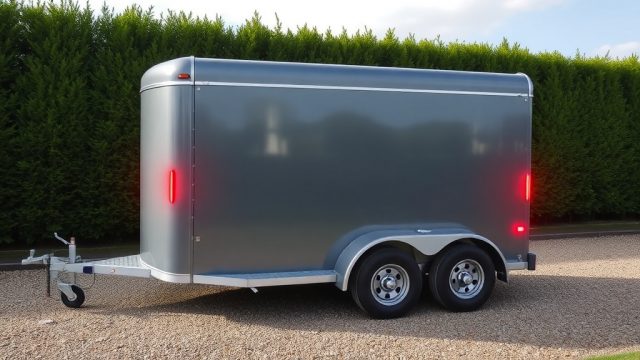

Why Upgrade HorseTowPro Trailer Lighting? The LED vs Incandescent Decision
When it comes to trailer maintenance and repair, few components are as critical as the lighting system. Proper illumination ensures your horse trailer is visible to other motorists, signals your intentions clearly, and passes roadworthiness inspections. HorseTowPro owners face a common dilemma: stick with reliable, low-cost incandescent bulbs or invest in modern LED upgrades. This guide breaks down the technical, practical, and financial factors to help you make an informed choice for your horse trailer.
Whether you’re hauling a single horse to a weekend show or embarking on a cross-country journey, lighting failure can leave you stranded or, worse, involved in an accident. Understanding the differences between LED and incandescent systems—from brightness and longevity to electrical load and cost—is essential for every HorseTowPro owner committed to HorseTowPro Trailer Axle Bearing Maintenance and overall trailer safety.
How Do LED and Incandescent Lights Compare in Brightness and Visibility?
Brightness is often the first consideration when upgrading trailer lights. Incandescent bulbs produce light by heating a tungsten filament until it glows, typically delivering 300–500 lumens per 12V bulb for stop/tail lights. LEDs (Light Emitting Diodes) generate light through electroluminescence, providing 600–900 lumens per lamp for the same function. This means LEDs are 30–50% brighter, which translates to improved visibility in daylight, rain, and fog.
The colour temperature also differs: incandescents emit a warm, yellow-white light (around 2700K–3200K), while LEDs offer a crisp, daylight-like white (5000K–6500K). The higher colour temperature enhances contrast, making your trailer’s brake lights and turn signals more noticeable from a distance. For HorseTowPro owners who frequently drive at dawn, dusk, or in adverse weather, the extra brightness can be a lifesaver.
Another factor is light distribution. LEDs can be designed with multiple diodes arranged in a pattern to provide a wider, more even spread of light compared to a single incandescent filament. This reduces “dead spots” and ensures your trailer’s outline is visible from various angles. LED stop lights, for instance, illuminate nearly instantly—within 0.1 seconds—compared to 0.5–0.8 seconds for incandescents, giving following drivers an additional fraction of a second to react. In emergency braking scenarios, that time difference can prevent rear-end collisions.
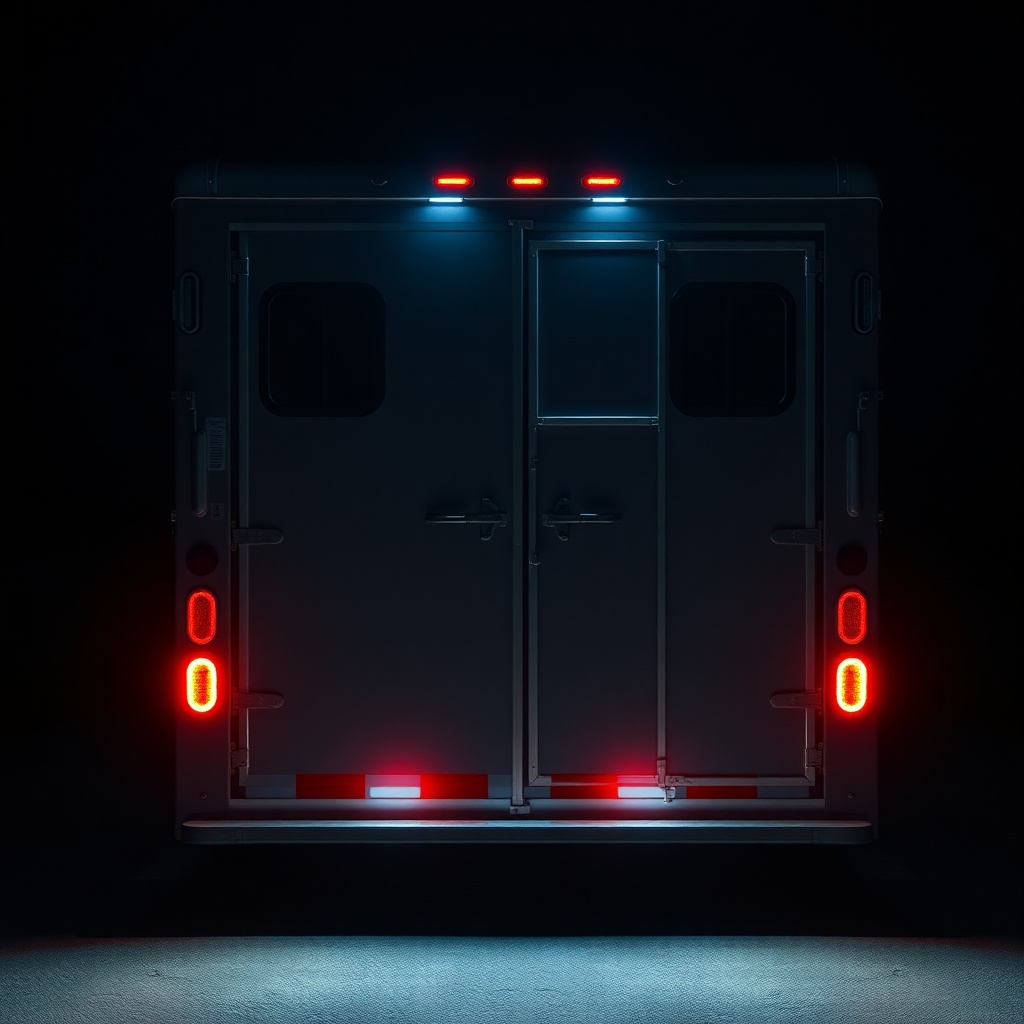
But brightness isn’t everything. Incandescent bulbs are subject to gradual dimming as filaments age, while LEDs maintain near-constant output for tens of thousands of hours. A typical LED module used in HorseTowPro applications lasts 30,000–50,000 hours, whereas an incandescent bulb may only last 1,000–3,000 hours. Over a decade of regular towing, LED lights will likely never need replacement, while incandescents may need swapping every two to three seasons.
<
>
What Are the Electrical Load Differences and Implications for Your Trailer’s Wiring?
One of the most critical technical differences lies in electrical load. Incandescent bulbs draw significant current: a typical 12V 21W stop/tail bulb draws 1.75 amps per filament. A trailer with four stop/tail lights plus two turn signals and two side markers can draw 10–15 amps total. This heavy load can stress the trailer’s wiring, connectors, and the tow vehicle’s electrical system, especially on older setups.
LED lights, in contrast, use far less power. A typical LED stop/tail light module draws 0.3–0.5 amps per unit. The same configuration of eight LED lights may draw just 2–4 amps total. This reduced load offers several advantages: lower risk of overheating in wiring harnesses, longer life for fuse boxes and relays, and less voltage drop over long trailer cables. For HorseTowPro owners towing with vehicles that have limited alternator output, such as older trucks or smaller SUVs, LED upgrades can free up electrical capacity for other accessories like electric brakes or auxiliary cooling fans.
However, the lower current draw of LEDs can cause problems with some tow vehicles. Many older tow vehicles use a simple incandescent bulb as a “load resistor” to detect bulb failures. When LED lights draw less current, the vehicle’s system may think a bulb is out and trigger a warning light or cause the turn signals to hyperflash (flash rapidly). This is easily solved by adding load resistors or using LED-specific flasher relays, but it’s an important consideration. HorseTowPro recommends checking your tow vehicle’s compatibility before converting to LEDs.
The wiring itself is also a factor. Incandescents produce more heat at the bulb socket, which can accelerate corrosion and degrade the plastic housing over time. LEDs run much cooler, reducing heat-related wear on wiring and connectors. However, LEDs are more sensitive to voltage spikes and reversed polarity, so a proper wiring harness with good grounding is essential. Using a dedicated HorseTowPro Trailer Axle Bearing Repack Guide can help you plan a full maintenance overhaul, including electrical system checks.
| Lighting Feature | Incandescent Bulbs | LED Modules |
|---|---|---|
| Brightness (lumens typical stop/tail) | 300–500 | 600–900 |
| Current draw per stop/tail lamp | 1.5–2.0A | 0.3–0.5A |
| Lifespan (hours typical) | 1,000–3,000 | 30,000–50,000 |
| Warm-up time to full brightness | 0.5–0.8 sec | <0.1 sec |
| Heat output | High (can melt plastic sockets) | Low (runs cool) |
| Sensitivity to voltage spikes | Low | Moderate (needs voltage regulation) |
| Typical cost per replacement unit (GBP) | £5–£12 | £15–£40 |
| Replacement frequency (years typical towing 5,000 miles/year) | Every 2–3 years | 10+ years |
| Compatibility with older tow vehicles | Excellent | May need load resistors or flasher relay |
What Are the Cost Differences Over the Long Term: Initial Investment vs. Lifetime Value?
At first glance, incandescent bulbs are the budget-friendly choice. A single 12V 21W stop/tail bulb costs between £5 and £12 at a UK trailer supply shop. A complete incandescent light assembly (including housing and lens) runs £15–£30 per unit. LED replacements, however, command a premium: £15–£40 per bulb or £30–£80 per complete LED tail light assembly.
For a typical two-axle horse trailer with six exterior lights (two stop/tail, two turn signals, one rear fog, one number plate light), the cost of converting from incandescent to LED can total £90–£240 for bulbs alone, or £180–£480 for complete assemblies. That’s a significant upfront expense. However, consider the replacement cycle. Incandescent bulbs fail more often—especially if the trailer is frequently used in wet or dusty conditions, common in horse transport. Over a 10-year period with 5,000 miles per year, you might replace incandescent bulbs four to six times, costing £120–£288 in parts. LED modules, with their 30,000+ hour lifespan, will likely never need replacing within that timeframe.
Labour costs also add up. If you pay a mechanic £40–£60 per hour to replace bulbs, each swap could cost £60–£100 including parts and labour. Over a decade, that could total £240–£600 for incandescents. For LEDs, you’d pay only for the initial installation, which might be higher due to potential load resistors or relay changes, but then zero ongoing costs. Additionally, the reduced electrical load from LEDs can extend the life of your trailer’s wiring harness, fuses, and connectors, preventing expensive repairs. A single wiring fire caused by overheated incandescent sockets can cost £500–£1,500 to repair, a risk LEDs almost eliminate.
Insurance companies in the UK sometimes offer modest discounts for improved safety equipment, including LED lighting. While not guaranteed, it’s worth asking your provider. Over the full ownership period of a HorseTowPro (often 10–20 years), the total cost of ownership for LED lights is significantly lower. If you’re planning to keep your trailer long-term, the premium for LEDs is a wise investment.
What Are the Practical Installation Considerations for HorseTowPro Owners?
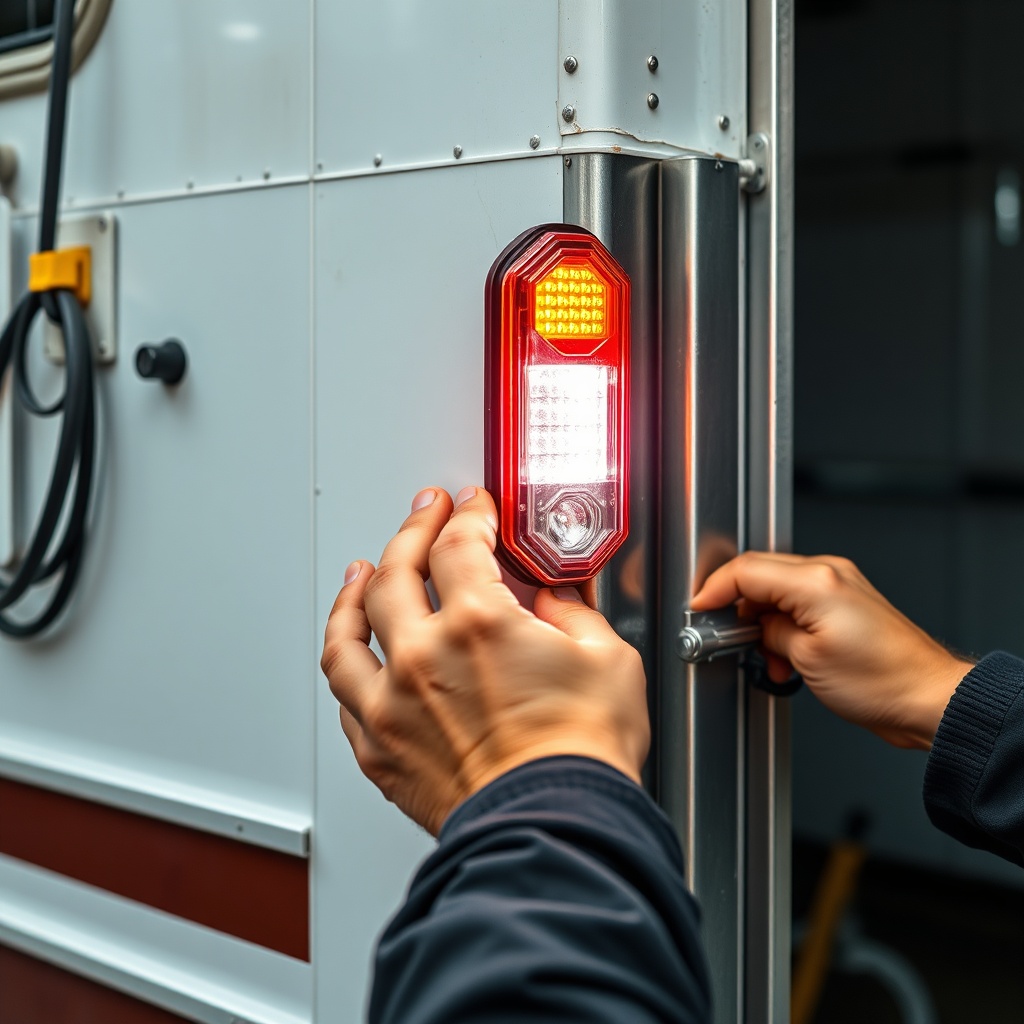
Upgrading to LED lights on a HorseTowPro trailer is a straightforward DIY job for most owners, but it requires careful attention. Begin by disconnecting the trailer from the tow vehicle and removing the old incandescent light assemblies. Most HorseTowPro models use universal mounting patterns but check your specific year. For surface-mount lights, you’ll likely need to remove screws and disconnect the wiring from the old unit. For recessed lights, take care not to damage the trailer’s side panels.
When wiring LEDs, polarity matters. Incandescent bulbs work regardless of which wire is positive and which is negative—they simply light up. LEDs have a diode that only passes current in one direction. If you reverse the wires, the light won’t work (but won’t be damaged unless polarity is reversed long-term). Use a multimeter or a simple circuit tester to confirm positive and negative wires before connecting. If your trailer’s wiring isn’t colour-coded, label each wire with tape.
A key challenge is the hyperflash issue mentioned earlier. On many tow vehicles—especially older models—the flasher relay expects a certain load. When you swap to LEDs, the reduced load causes the relay to blink faster or not at all. The solution is either installing load resistors (resistors that mimic the current draw of incandescent bulbs) or replacing the flasher relay with an LED-compatible electronic type. Load resistors cost £10–£20 for a pack of two and must be mounted on a metal surface to dissipate heat, as they get hot during use. Electronic flasher relays cost £15–£30 and are a cleaner, simpler solution, but require access to the relay under your tow vehicle’s dashboard.
Another practical tip: use dielectric grease on all bulb socket connections and wiring plugs. This prevents moisture ingress and corrosion, which is a common cause of LED failure. Since LEDs themselves are sealed, the wiring joints are the vulnerable points. Apply a small amount of grease to each connection before reassembling. For a complete trailer maintenance session, combine your lighting upgrade with HorseTowPro Trailer Bearing Maintenance to ensure all systems are in top condition.
What Are the Legal and Safety Implications of LED vs Incandescent Lighting in the UK?
In the UK, trailer lighting is regulated by the Road Vehicles Lighting Regulations (RVLR) 1989. Both incandescent and LED lights are legal, provided they meet the standards for brightness, colour, and beam pattern. The RVLR requires that stop lamps emit red light of at least 60 candela (cd) in the test direction. Most aftermarket LED tail lights easily exceed this, often providing 80–120 cd. However, it’s important to buy lights that carry E-mark or BSI certification (e.g., ECE R7 for tail lights). Uncertified lights may fail an MOT inspection.
LEDs often produce a more intense, whiter light that can be perceived as dazzling to following drivers if the lens is excessively bright or poorly focused. For this reason, choose lights with integrated diffusers or Fresnel lenses that spread light evenly. Some cheap LED lights from unscrupulous sellers may have poor beam patterns, creating glare that could be cited as a defect during roadside checks.
Legally, the most important requirement is that all lights function correctly at all times. Because LEDs are less prone to failure, they improve reliability, which is a safety advantage. However, if a single LED diode fails, the light may still appear to work but be dimmer—a condition that can go unnoticed. Regular visual checks are still necessary, especially before long hauls. For MOT testing, the assessor will check brightness levels; if any light is less than 50% of a new unit’s brightness, it may fail. LED lights typically maintain brightness far longer than incandescents.
In terms of safety during towing, LEDs offer a clear advantage in reaction time. The instantaneous illumination of LED brake lights gives following drivers an extra split second to respond, which at 60 mph equals about 30–40 feet of stopping distance. For a fully loaded horse trailer weighing 2–3 tonnes, that margin can be crucial. Additionally, the lower heat output of LEDs reduces the risk of fire from frayed wiring or melting lenses—a genuine hazard with incandescents, particularly in dusty or hay-covered trailer interiors.
<
>
What Owners Say: Real Experiences from HorseTowPro Enthusiasts
Feedback from HorseTowPro owners across the UK and Ireland consistently highlights LED upgrades as one of the most effective modifications. James M. from Cheshire, who hauls two horses to competitions every weekend, reported: “After switching to LEDs, I can see the difference in the rearview camera. The brake lights are so much brighter that I feel safer in heavy traffic. I also stopped having to replace bulbs every spring—I’ve had the same set for three years now.”
Sarah T. from Yorkshire shared her experience with a 2015 HorseTowPro: “I was sceptical about the cost, but my mechanic encouraged me to go LED when I brought the trailer in for a full electrical overhaul. The hyperflash issue was a pain to sort out, but once I installed the electronic relay, everything was perfect. The lights are still going strong after 30,000 miles.”
Paul D., a professional farrier who tows a living quarters trailer, noted: “The low heat output has saved me from a wiring fire. My old incandescents would char the socket if I left the brake on for too long at a halt. Now, with LEDs, I can leave the hazard lights on without worrying. I also like that I can pair them with HorseTowPro Trailer Axle Bearing Repack Schedule for all-in-one maintenance days.”
The most common complaint from owners is the initial expense and the need for load resistors or relay changes on older vehicles. However, nearly all agree that the long-term reliability and safety benefits outweigh these minor inconveniences. For those towing in urban areas or on motorways, LEDs are now seen as essential.
Frequently Asked Questions
1. Can I replace just one incandescent bulb with an LED on my HorseTowPro?
Technically yes, but it’s not recommended. Mixing bulb types can cause uneven brightness between left and right sides, potentially confusing other drivers. The different current draws can also create hyperflash on the LED side if the flasher relay isn’t designed for mixed loads. For a uniform, professional-looking setup, replace all lights in a series simultaneously.
2. Do LED trailer lights require special wiring beyond standard 7-pin connectors?
No, standard 7-pin connectors (ISO 1185 or SAE J560) work perfectly with LEDs. However, the lower current draw may cause electronic systems in some tow vehicles to register a fault. Using an LED-specific flasher relay or load resistors solves this. Ensure your ground connection is solid—LEDs are more sensitive to poor grounds than incandescents.
3. How do I know if my HorseTowPro is wired for the correct polarity for LEDs?
Use a multimeter set to DC voltage. Connect the black probe to a known good ground (e.g., chassis bolt), and the red probe to each wire in the light socket. With the trailer connected to the tow vehicle and the respective light function active (e.g., brake lights), a positive reading on the correct wire indicates the positive terminal. Label wires accordingly. If you find reversed polarity, swap the connections.
4. Are sealed LED light assemblies better than modular bulb-replacement LEDs?
Sealed assemblies (where the LEDs are permanently bonded into the lens housing) are generally more robust, offering better waterproofing (IP67/IP68 ratings) and resistance to vibration. Modular bulb-replacement LEDs (which screw into existing sockets) are cheaper but may be less durable due to exposed contacts. For heavy-use horse trailers, sealed assemblies are recommended.
5. Can I use LEDs in my trailer’s interior dome lights as well?
Absolutely. Interior LEDs improve visibility inside the trailer, reducing shadows and making it easier to check horses or tack. They also generate less heat, which is beneficial for horse comfort. Ensure the interior wiring can handle the same voltage as the exterior system (usually 12V DC).
6. What is the typical cost to have a professional install LED lights on a HorseTowPro trailer in the UK?
Professional installation costs for a full LED conversion (six exterior lights, including labour for wiring and any relay modifications) typically range from £150 to £350 in the UK. This includes parts and labour. If you need a custom harness or have a large horse trailer with additional lights, costs may rise to £500. Always get a written quote from a trailer specialist.