Why a Consistent Axle Bearing Repack Schedule Matters for Your HorseTowPro Trailer
Your HorseTowPro trailer’s axle bearings are the silent workhorses that ensure your horses travel safely, mile after mile. Without a proper repack schedule, even the best-maintained rig faces catastrophic wheel separation, excessive heat buildup, and costly downtime. This article outlines exactly how often you should repack those bearings, why the interval matters, and how to spot trouble before it costs you a weekend show or a vet bill.
How Often Should You Repack HorseTowPro Trailer Axle Bearings?
Industry standards and HorseTowPro’s own recommendations align on a 12-month or 12,000-mile interval—whichever comes first. However, this is a baseline. If you frequently haul through rain, mud, or salty roads during winter, consider moving to a 6-month schedule. For long-haul operators who log 15,000+ miles annually, repack every 10,000 miles regardless of the calendar. The key is consistency: a missed repack doubles the wear rate on both the bearing rollers and the raceways.
Always consult your specific HorseTowPro owner’s manual, as some models with high-torque brake controllers or heavy payloads may recommend a shorter cycle. For more on matching your brake system to your trailer, see our guide on HorseTowPro Brake Controller Compatibility: Which Models Work Best?
What Happens If You Skip a Repack on Your HorseTowPro Trailer?
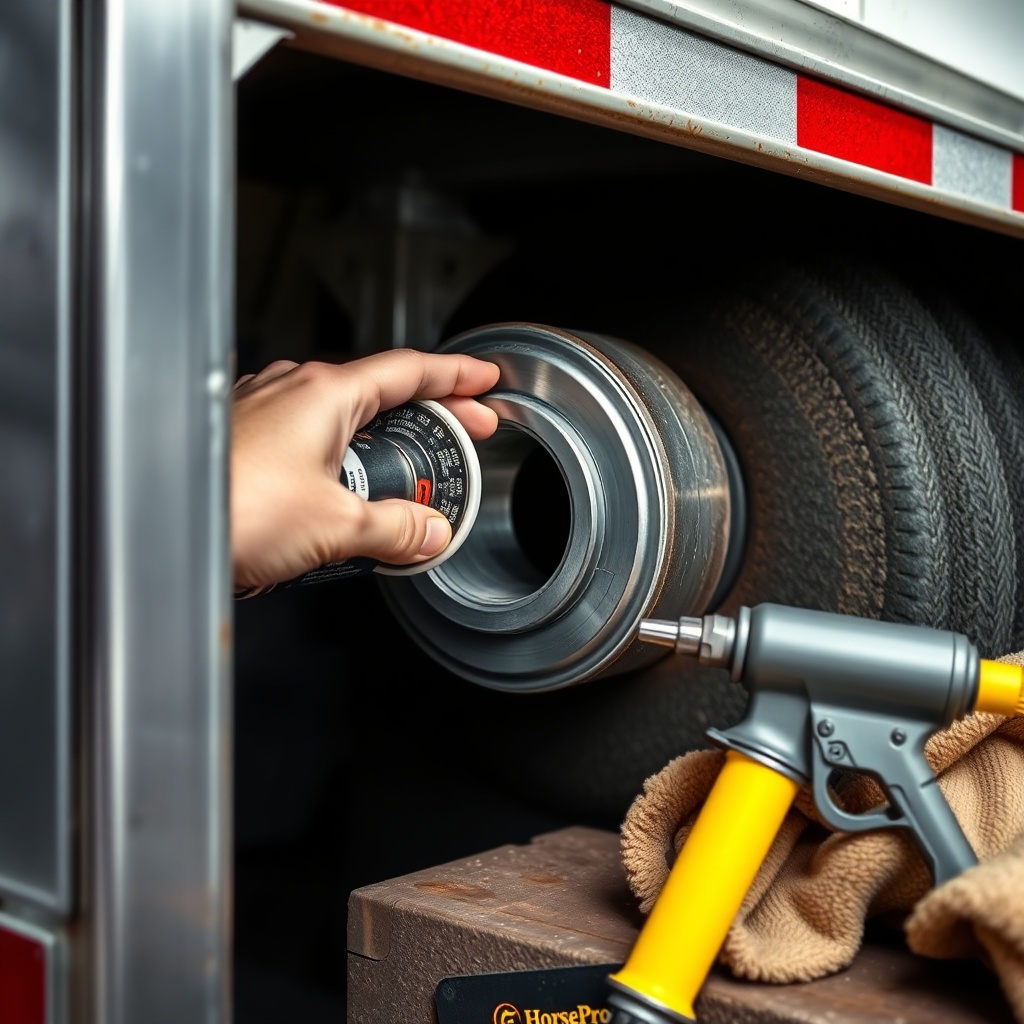
Neglecting a bearing repack doesn’t just shorten component life—it creates a cascade of failures. Grease breaks down over time, losing its viscosity and its ability to repel water. Once moisture intrudes, rust pits form on the bearing surfaces, leading to rough rotation and excessive heat. That heat degrades the grease further, and within 200–300 miles of first symptoms, you can experience a bearing seizure or a wheel-off event at highway speed.
Statistics from the National Trailer Manufacturers Association show that 42% of wheel separation incidents are linked to bearing neglect. For a HorseTowPro trailer, a full bearing replacement (parts and labor) runs between £150 and £250 per wheel, while a simple repack costs under £50. The economics are clear—but the safety of your horses is priceless.
Should You Repack Bearings Based on Miles or Calendar Time?
Both metrics matter, but calendar time is often the more critical factor for recreational trailers. Many HorseTowPro owners haul only 3,000–5,000 miles per year. Over a 12-month period, even if you’ve only towed 2,000 miles, the grease has undergone oxidation and thermal cycling from storage. The grease’s additives deplete, and seals can dry out, allowing moisture ingress.
For commercial operators running high annual mileage, the mileage trigger becomes dominant. A simple rule: whichever limit you hit first (12 months or 12,000 miles) triggers the repack. If you store your trailer outdoors in a damp climate, reduce the calendar interval to 6 months. If you tow exclusively on dry, paved roads, you can stretch to 18 months—but never longer without inspection.
How Does Weather Affect Your Repack Schedule?
Weather is the single biggest variable in bearing longevity. Consider this severity table for typical climates:
| Climate Type | Recommended Repack Interval | Primary Risk |
|---|---|---|
| Dry, inland (arid or semi-arid) | 12 months / 12,000 miles | Dust contamination |
| Humid coastal (salt air) | 6 months / 6,000 miles | Corrosion from salt spray |
| Snowy/winter road salt areas | 6 months / 6,000 miles | Salt wash into seals |
| Heavy rain or flood-prone regions | 6 months / 8,000 miles | Water intrusion |
| Mixed (temperate, moderate) | 12 months / 10,000 miles | General wear |
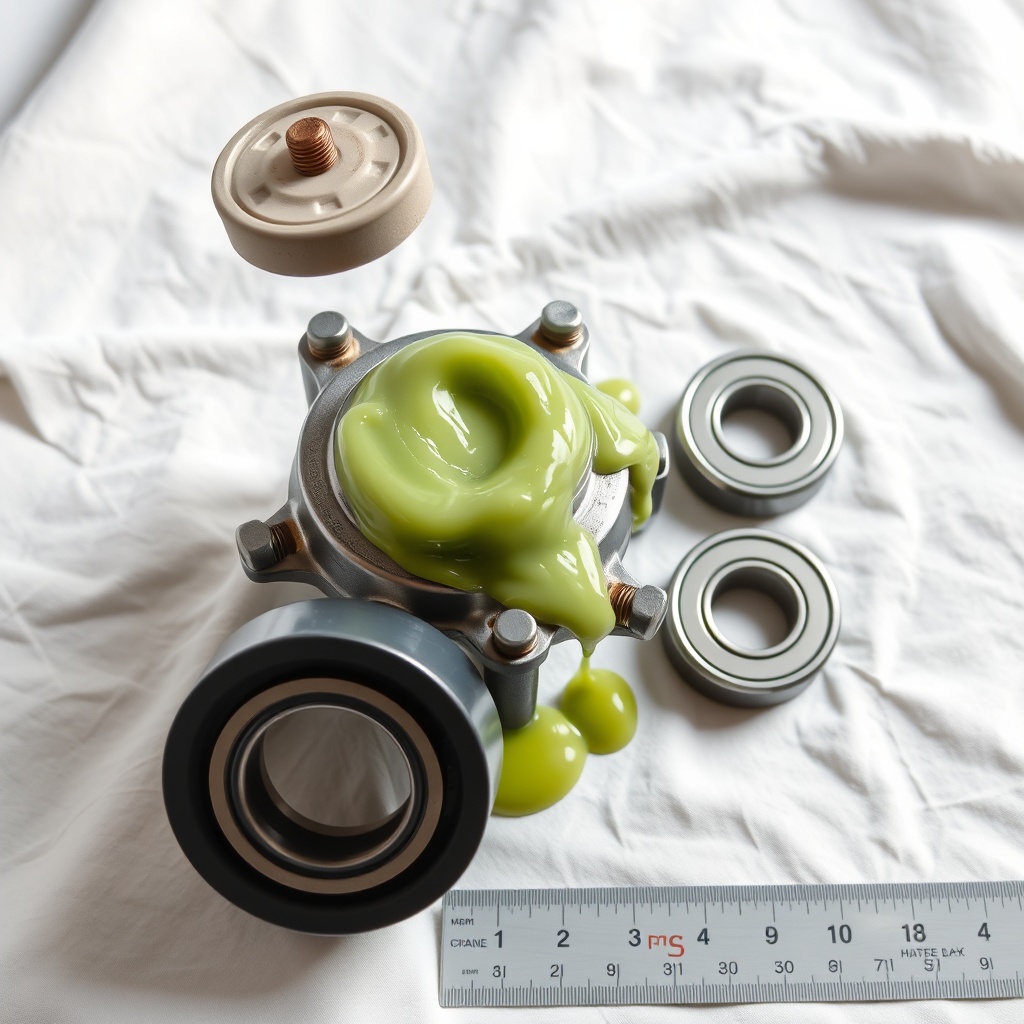
If you drive through standing water deeper than the hub centerline, treat that as an immediate “repack now” event, even if you’re only 100 miles from your last service. Water in the grease turns it into a grey, frothy mess that provides zero lubrication. For tips on adjusting maintenance for temperature swings, read HorseTowPro Tire Inflation Monitoring: Adjusting for Seasonal Temperature Changes.
How Does Brake Controller Type Affect Bearing Wear and Repack Timing?
Your brake controller’s setting directly influences hub temperature and bearing stress. A proportional brake controller, when calibrated correctly, applies braking force smoothly and reduces the thermal load on bearings. However, if you run a time-delayed controller with a high gain setting, repeated hard stops can heat the hub to 250°F or more, accelerating grease breakdown. A HorseTowPro trailer paired with a mismatched brake controller may experience bearing grease liquefaction in as few as 8,000 miles.
Always set your brake controller to engage the trailer brakes slightly before the tow vehicle’s brakes. This reduces the momentum transfer that spikes bearing loads. For detailed compatibility info, check our guide on HorseTowPro Brake Controller Compatibility: Which Models Work Best?.
What Owners Say About Their HorseTowPro Bearing Repack Routine
Experienced HorseTowPro owners strongly advocate for a disciplined schedule. Sarah M., who hauls two warmbloods to events across the UK, says, “I repack every spring and autumn, regardless of mileage. On my last inspection at 18,000 miles, the bearings looked like new. The £40 cost is nothing next to the peace of mind.”
Colin D., a farrier who logs 20,000 miles per year, notes, “I used to push to 15,000 miles, but I had a bearing failure on the M6. Now I stick to a strict 10,000-mile repack. That one failure cost me £1,200 in parts and a lost weekend.” Forum member “HorseHauler99” adds: “The biggest mistake owners make is trusting the grease color. Grey grease always means water. I repack the moment I see any colour change.”
These real-world stories underscore a universal truth: proactive maintenance is far cheaper and safer than reactive repairs. For a full step-by-step guide to the repack process, see HorseTowPro Trailer Axle Bearing Repack Guide: Step-by-Step for Longevity.
Frequently Asked Questions About HorseTowPro Trailer Bearing Repacking
1. Can I use any grease for my HorseTowPro trailer bearings?
Use only a premium lithium-complex NLGI #2 grease rated for wheel bearings. Avoid cheap multi-purpose greases—they lack the extreme-pressure additives needed for trailer hubs. HorseTowPro recommends a synthetic blend for longer intervals.
2. How do I know if my bearings need repacking immediately?
Listen for a grinding or growling noise from the wheel area while turning at low speed. Feel for excessive hub heat after a 30-minute drive (safe touch—if you can’t hold your hand there for 3 seconds, it’s too hot). Also look for grease leaking past the dust cap.
3. Should I replace the seals every time I repack?
Yes. Seals cost a few pounds and are your first defence against water and dirt. Always install new seals during a repack. A damaged seal can allow contamination within 100 miles.
4. Is it worth repacking bearings myself, or should I pay a shop?
If you’re mechanically inclined, DIY repacking saves £50–£80 per axle. But you need a clean workspace, a brass drift, a torque wrench, and the proper grease. A shop service includes inspection of the race and spindle for pitting. For a full DIY method, refer to HorseTowPro Trailer Axle Bearing Repack Guide: Step-by-Step for Longevity.
5. How does bearing repack frequency relate to brake shoe wear?
Overheated bearings can warp the brake drum or cause uneven shoe contact. Keeping bearings properly greased reduces drag, which translates to longer brake shoe life—often by 20–30%. For more, see HorseTowPro Trailer Axle Bearing Maintenance: Repack and Replace Schedule.
6. What if my trailer has been sitting unused for over a year?
Even if the miles are zero, repack the bearings before towing. Stored grease oxidizes and separates. The bottom of the bearing may be dry. Also inspect the seals for cracking. Give the hub a full service before hitting the road.