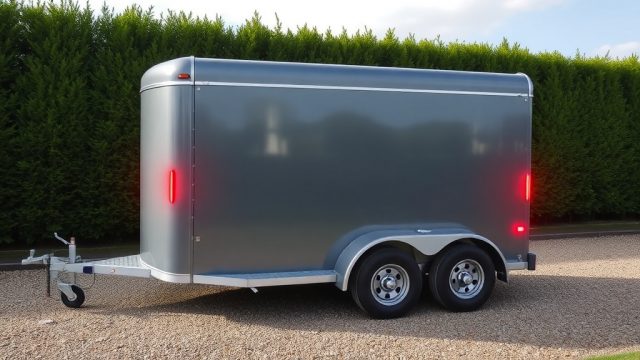
Introduction: Why Axle Bearing Maintenance Matters for HorseTowPro Owners
Every HorseTowPro owner understands the unique stresses placed on trailer axles during long hauls, especially when hauling valuable equine cargo. Regular repacking and replacing of axle bearings is not just a recommendation—it is a critical safety measure that prevents wheel separation and bearing failure at highway speeds. This guide provides the exact schedule and procedures for keeping your HorseTowPro trailer’s bearings in peak condition, ensuring your horses travel safely and your trailer avoids costly roadside breakdowns.
How Often Should I Repack My HorseTowPro Trailer Axle Bearings?
The industry standard for bearing repacking is every 12 months or 12,000 miles, whichever comes first. However, for HorseTowPro trailers frequently used on long hauls exceeding 500 miles per trip, we recommend a more conservative schedule of every 6 months or 6,000 miles. This is especially important if you tow through wet conditions or on unpaved roads. The waterproof grease seals on HorseTowPro axles require regular inspection, as water ingress can accelerate bearing degradation. Always repack bearings before a major trip if the interval is near due.
Key factors affecting repack frequency:
- Climate: Humid or coastal environments (see HorseTowPro Trailer Maintenance: Corrosion Prevention Tips for Coastal Areas)
- Load weight: Heavier loads generate more heat and wear
- Road conditions: Gravel and dirt roads introduce contaminants
- Trailer age: Older seals may allow moisture entry
Consequences of neglecting repacking:
- Bearing overheating leading to grease breakdown
- Metal fatigue and spalling of bearing surfaces
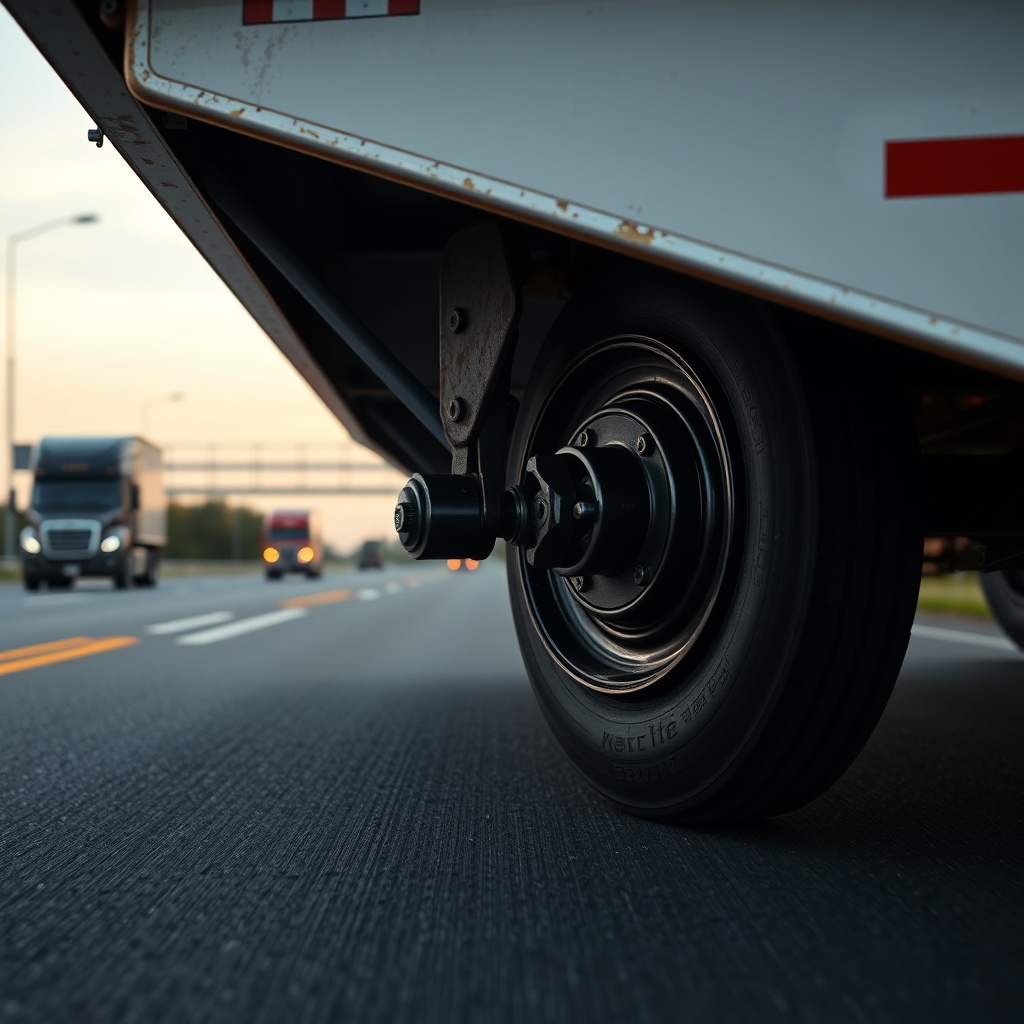
- Wheel wobble and eventual hub failure
- Potential wheel detachment at highway speeds
What Are The Exact Steps to Repack HorseTowPro Trailer Bearings?
Performing a bearing repack is a straightforward task any owner can handle with basic tools. Always consult the specific HorseTowPro owner’s manual for torque specifications, but the general process is as follows:
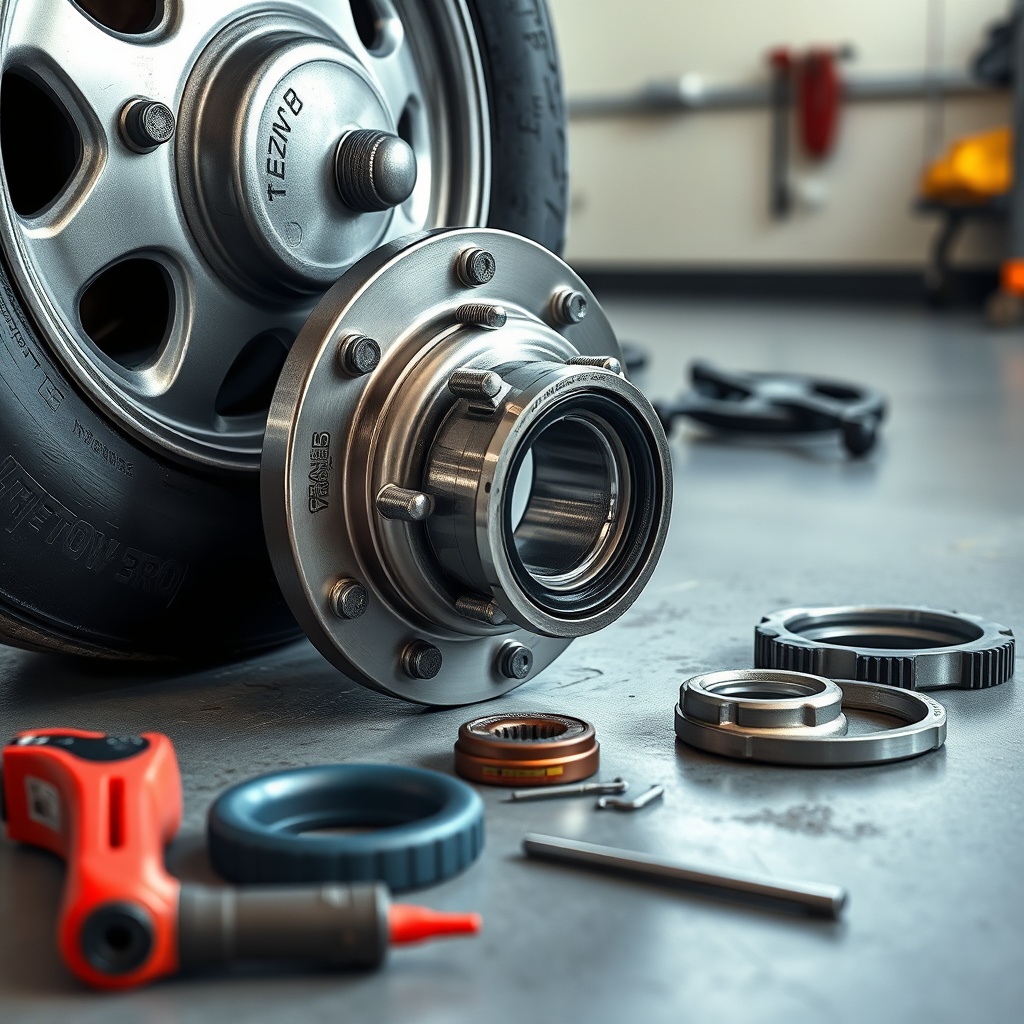
Required tools and materials:
- Lug wrench and floor jack
- Jack stands (always support the trailer frame)
- Grease seal puller or flathead screwdriver
- Bearing packer tool (or hand-packing method)
- High-quality wheel bearing grease (NLGI #2 rated for marine or extreme pressure)
- New grease seals (always replace seals when repacking)
- Torque wrench (for spindle nut)
- Safety glasses and gloves
Step-by-step procedure:
- Securely jack up the HorseTowPro trailer and place on jack stands.
- Remove the wheel and tire assembly.
- Remove the dust cap, cotter pin, spindle nut, and washer.
- Pull the hub assembly off the spindle. Use caution if the bearings are tight.
- Remove the inner bearing and grease seal from the hub.
- Clean all old grease from bearings, races, and hub using a solvent or brake cleaner.
- Inspect bearings for pitting, scoring, or discoloration (see replacement section below).
- Pack bearings with fresh grease using a bearing packer or hand technique, ensuring grease penetrates between all rollers.
- Apply a thin layer of grease to the hub’s inner surface and the spindle.
- Install the inner bearing into the hub, then press in a new grease seal flush with the hub face.
- Slide the hub onto the spindle, install the outer bearing, washer, and spindle nut. Tighten to manufacturer specification (typically 30-40 ft-lbs, then back off slightly).
- Install a new cotter pin and dust cap.
- Reinstall the wheel, torque lug nuts to spec, and lower the trailer.
- Remove old bearings and races using a drift punch and hammer.
- Clean the hub interior thoroughly.
- Install new races using a race driver or press, ensuring they seat fully and squarely.
- Always replace both inner and outer bearings as a matched set.
- Use new grease seals and cotter pins.
- Adjust bearing preload precisely.
- Repack annually, inspect thoroughly every 2 years.
- Replace bearings every 50,000 miles or 5 years, whichever comes first.
- Repack every 6 months or 6,000 miles.
- Replace bearings every 30,000 miles or 3 years.
- Repack every 3 months or 3,000 miles.
- Replace bearings every 15,000 miles or annually.
- Consider using high-temperature grease formulations to withstand sustained highway speeds.
- Pre-trip: Check for bearing heat (hand test on hub after driving 10 minutes).
- During stops (every 200 miles): Listen for grinding or clicking.
- Post-trip: Inspect grease seal condition and look for grease leaks.
- Hub too hot to touch after 15 minutes of highway driving (over 150°F) – use an infrared thermometer for accuracy (safe range is typically 125–150°F above ambient).
- Grease weeping from the dust cap or seal, often smelling burnt.
- Visual smoke or steam from the wheel area.
- Increased rolling resistance or trailer pulling to one side.
- Over-tightened spindle nut (excessive preload)
- Insufficient or old grease (dry bearings)
- Contaminated bearings (water or grit)
- Misaligned brake shoes dragging on drum
- Worn wheel bearings causing uneven load
Always verify proper brake function after reassembly, especially if your HorseTowPro has electric brakes. Refer to HorseTowPro Brake Controller Troubleshooting: Common Issues and Solutions for brake-related checks.
When Must I Replace Bearings on a HorseTowPro Trailer, Not Just Repack?
Replacement is necessary when bearings show signs of irreversible damage. Repacking only delays eventual replacement, but certain conditions demand immediate replacement. HorseTowPro axles typically use tapered roller bearings, which wear gradually but can fail catastrophically if ignored. The following table outlines when repacking is sufficient versus when replacement is mandatory.
| Bearing Condition | Repack OK? | Replace? | Typical Cost (per wheel, parts only) |
|---|---|---|---|
| Light surface rust (minor) | Yes, after cleaning | No | $0 |
| Pitting or flaking on rollers | No | Yes | $20–$40 (bearing kit) |
| Discoloration (blueing from heat) | No | Yes | $25–$50 |
| Scoring or grooving on races | No | Yes (includes race) | $30–$60 |
| Excessive play after adjustment | No | Yes | $20–$40 |
| Grease contamination (water or dirt) | Inspect; if clean, repack | If debris visible | $10–$30 (seal replacement) |
| Noise or vibration when turning | No | Yes | $25–$50 |
When to replace the entire hub assembly:
If the spindle itself is scored or the hub bore is damaged, replacement of the complete hub assembly may be necessary. This cost ranges from £50 to £120 per wheel for HorseTowPro-compatible units. Always inspect the spindle during bearing removal for any grooves or wear marks.
Bearing replacement procedure highlights:
What Is the Recommended Replacement Schedule for Long Hauls?
For HorseTowPro trailers used on long hauls—consistent trips over 300 miles or cross-country travel—the bearing replacement interval differs from light-use trailers. Here is a practical schedule based on usage intensity:
Light use (under 5,000 miles/year, short trips):
Moderate use (10,000–15,000 miles/year, occasional long hauls):
Heavy use (over 20,000 miles/year, frequent long hauls):
These intervals assume proper adjustment and clean operating conditions. If you often tow in rain or snow, or on salted roads, reduce intervals by 25%. Corrosion protection is also critical. See HorseTowPro Trailer Maintenance: Corrosion Prevention Tips for Coastal Areas for additional guidance.
Long haul inspection checkpoints:
How Do I Know If My HorseTowPro Bearings Are Overheating?
Overheating is a primary cause of bearing failure on long hauls. HorseTowPro axles generate significant heat under load, but excessive heat indicates problems. Check for these warning signs:
Common causes of overheating:
If overheating is detected, stop immediately and allow the hub to cool. Repack or replace bearings as needed before continuing. Never pour cold water on a hot hub—this can warp the drum or crack the hub. For brake-related overheating, refer to HorseTowPro Brake Controller Troubleshooting: Common Issues and Solutions.
What Do HorseTowPro Owners Say About Bearing Maintenance?
Experienced HorseTowPro owners emphasize that consistent bearing maintenance is the single best investment for trailer longevity. Many long-haul users report that following a strict 6-month repack schedule has prevented any bearing-related failures over spans of 50,000+ miles. One owner on a cross-country route noted that switching to a marine-grade grease reduced corrosion issues significantly after a season of coastal towing. Another highlighted that replacing bearings at first sign of pitting saved them from a roadside emergency in Montana. The consensus is clear: proactive maintenance is far cheaper than wheel replacement or veterinary emergencies from a trailer accident. For those new to HorseTowPro trailers, the community strongly recommends investing in a high-quality bearing packer and a digital torque wrench for consistent results.
Additional feedback includes the importance of checking tire pressure in conjunction with bearing temperature—improper tire inflation can exacerbate heat issues. Learn more in our article HorseTowPro Tire Inflation Monitoring: Adjusting for Seasonal Temperature Changes.
Frequently Asked Questions
Q1: Can I reuse grease seals after repacking bearings on my HorseTowPro trailer?
A: No, always install new grease seals. Used seals can leak, allowing contamination and grease loss. They are inexpensive (typically £5–£10 each) and critical for bearing longevity.
Q2: What type of grease is best for HorseTowPro trailer bearings on long hauls?
A: Use a high-quality NLGI #2 lithium-complex grease rated for extreme pressure and water resistance. Marine-grade greases offer superior corrosion protection. Avoid using automotive chassis grease, which breaks down at higher temperatures.
Q3: How do I adjust bearing preload correctly on a HorseTowPro axle?
A: After installing the hub, tighten the spindle nut to 30–40 ft-lbs while rotating the hub to seat bearings. Then back off the nut 1/4 turn, then re-tighten to 15–20 ft-lbs. Install the cotter pin. The hub should rotate freely without excessive play.
Q4: Is it normal for a wheel hub to feel warm after a long drive?
A: Slight warmth (up to 150°F) is normal from friction. If you cannot hold your hand on the hub for more than 5 seconds, it is overheating. Allow the hub to cool and inspect for issues before continuing.
Q5: How do I check bearing condition between repacks?
A: Jack up each wheel and check for lateral play by grabbing the tire at top and bottom and rocking. Also rotate the wheel—roughness or grinding indicates bearing wear. Listen for clicking sounds while spinning.
Q6: Do I need to repack bearings after towing through deep water or a car wash?
A: Yes, if water submerges the hub or you wash the trailer with a high-pressure spray directed at the seals. Water can enter through compromised seals and ruin the grease. Inspect and repack as soon as possible after such exposure.