
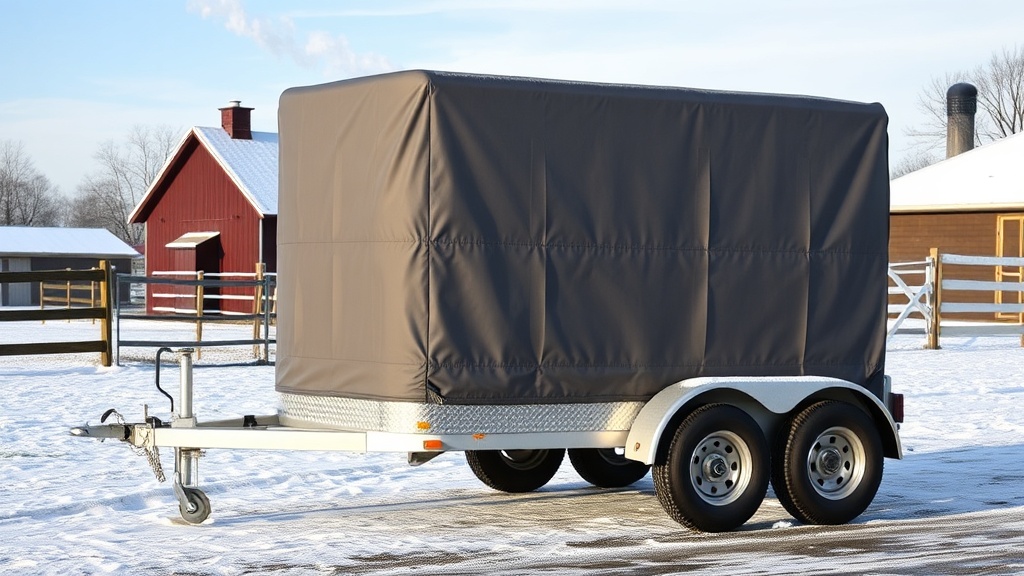
Equi-Spirit 2 Horse Bumper Pull Winter Storage Tips: Preventing Mold and Corrosion
Winter weather can exact a severe toll on an Equi-Spirit 2 Horse Bumper Pull if the owner neglects proper storage preparation. Mold growth in the living quarters and corrosion on the steel frame and suspension components are the two most common and costly issues that appear after a long, damp season. This guide provides specific, actionable steps to protect your trailer from these threats, ensuring it remains road-ready and safe for the next towing season.
Why Does Mold Form Inside My Equi-Spirit 2 Horse Bumper Pull During Winter?
Mold thrives in dark, damp, and poorly ventilated environments. During winter storage, especially if the trailer is parked outdoors or in an unheated barn, temperature fluctuations cause condensation to form on interior surfaces. The horse area’s floor mats, wall padding, and even the tack compartment’s fabric linings become perfect breeding grounds for mold spores if moisture is trapped. Unlike outdoor storage, where breezes might dry surfaces, a sealed trailer holds that moisture against materials for months.
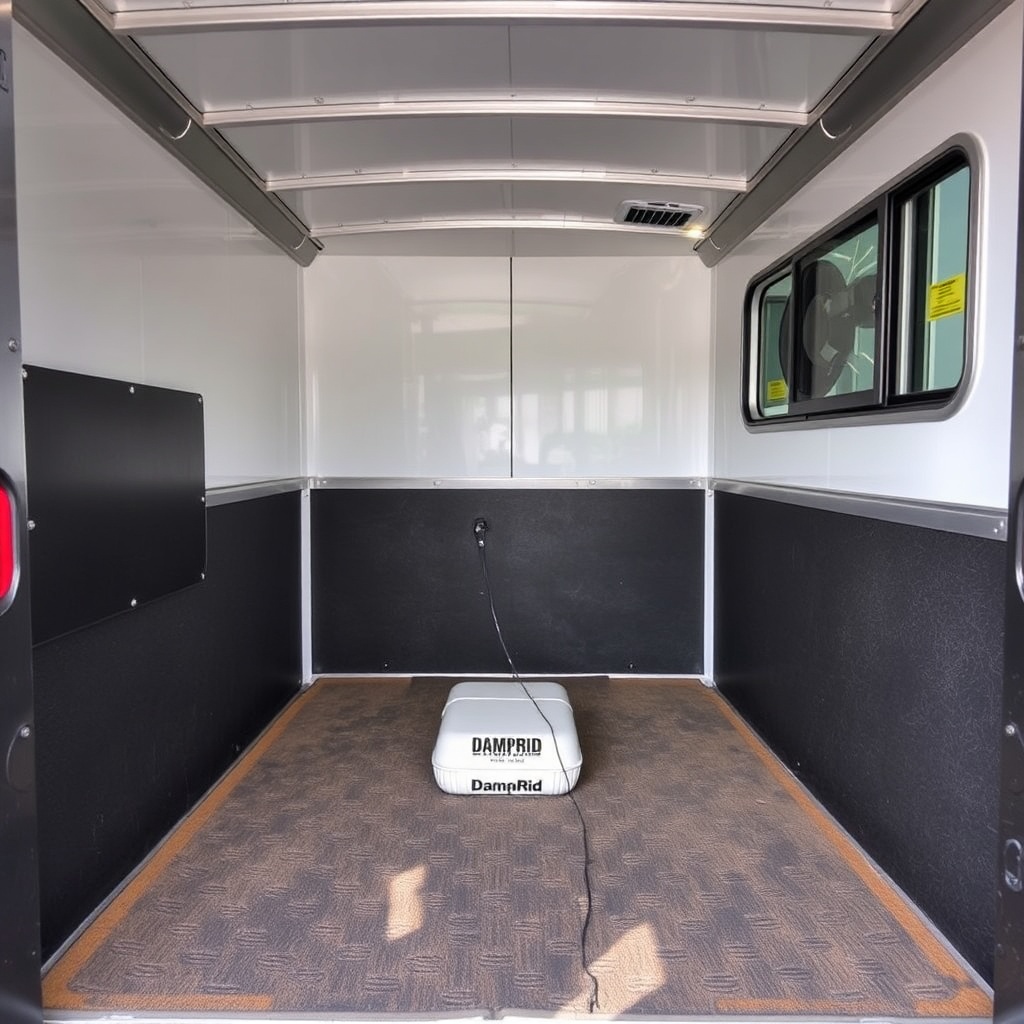
To combat this, begin by thoroughly cleaning every surface with a 50/50 white vinegar and water solution. Pay special attention to the rubber floor mats—lift them and clean underneath. After cleaning, leave all interior doors, including the tack room door and the rear ramp, open for at least 24 hours to allow complete drying. Consider placing DampRid moisture absorbers (two in the horse area and one in the tack compartment) to actively pull humidity from the air. Check and replace these every 30 days during storage.
For permanent protection, install a small solar-powered or 12V vent fan in one of the side windows. This creates airflow even when the trailer is stationary. If your model has a roof vent, crack it open slightly (if weather-sealed) to allow warm, moist air to escape. For more detailed maintenance routines, see our guide on Equi-Spirit 2 Horse Bumper Pull vs Featherlite 8541: Lightweight Trailers Compared for insights on how materials affect moisture retention.
How Can Corrosion Damage the Frame and Chassis of My Equi-Spirit 2 Horse Bumper Pull?
Corrosion is the silent enemy of any steel trailer, and the Equi-Spirit 2 Horse Bumper Pull’s frame is no exception. During winter, road salt residue from autumn trips, coupled with persistent moisture, accelerates rust on the frame rails, axle assemblies, and suspension springs. If left untreated, corrosion can weaken structural components, leading to costly repairs or even frame failure.
The most vulnerable spots are the welds and joints where paint often chips or cracks. The leaf spring mounting brackets and the hitch coupler area are particularly prone because they capture road debris and salt spray. Before winter storage, pressure-wash the entire undercarriage thoroughly, focusing on these areas. Use a dedicated trailer undercarriage degreaser to dissolve grease and salt. After washing, let the trailer dry completely.
Apply a protective coating to the frame. A high-quality, rust-inhibitive spray like Fluid Film or Corroseal works well. Focus on seams, weld points, and the inside of frame rails if you can access them. Avoid using rubberized undercoating, which can trap moisture against the steel. For hitch and coupler parts, use a lithium grease spray to protect the ball coupler and the latch mechanism. Regular inspection of these components is critical—refer to Equi-Spirit 2 Horse Bumper Pull Tire Pressure Guide: Optimal PSI for Safe Towing for a complementary maintenance checklist on wheel and axle care.
What Is the Best Approach to Storing the Electrical System and Battery?
Cold temperatures drain batteries rapidly, and moisture can corrode the trailer’s electrical connectors and wiring. The Equi-Spirit 2 Horse Bumper Pull typically uses a 7-pin connector and a deep-cycle auxiliary battery for interior lighting. If left connected in winter, the battery can freeze and crack, especially if not fully charged.
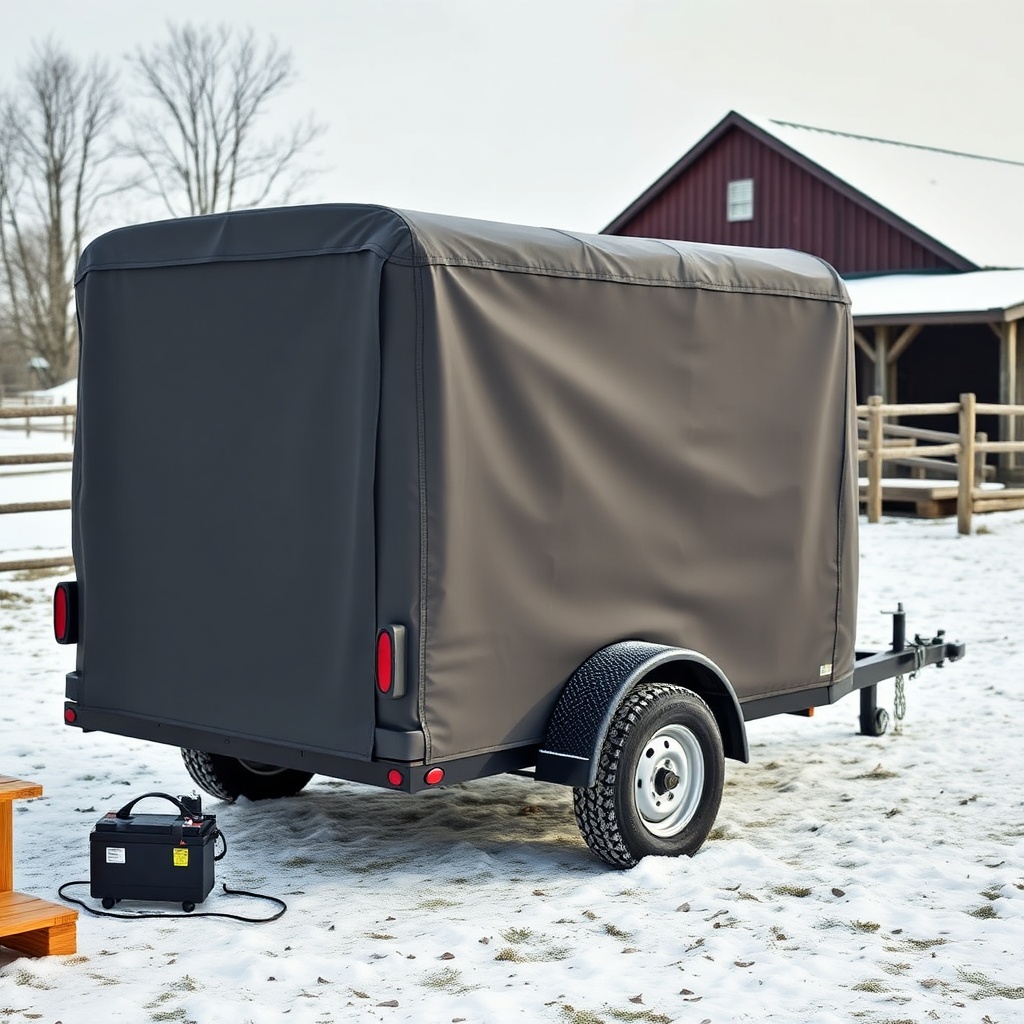
Remove the battery entirely and store it in a cool, dry place—ideally a garage or basement. Place it on a trickle charger (maintenance charger) to keep it at full charge throughout winter. Do not store it on a concrete floor; place it on a wooden shelf or a battery mat to prevent parasitic discharge. For the 7-pin connector, spray it with dielectric grease and seal it with a plastic connector cover to block moisture. Apply the same grease to the trailer’s tail light housings and marker light sockets to prevent bulb corrosion. While the battery is out, check the trailer’s wiring harness for any cracked insulation or exposed wires; repair these with heat-shrink tubing and electrical tape.
How Do I Protect the Aluminum Skin and Roof of My Equi-Spirit 2 Horse Bumper Pull?
The Equi-Spirit’s aluminum skin is corrosion-resistant, but winter grime and tree sap can still cause staining and pitting over time. The roof is the most neglected area—debris accumulates there and can trap moisture against caulked seams, leading to leaks. Start by washing the entire exterior with a gentle automotive soap and a soft brush. Avoid pressure washing the roof directly, as it can force water under the rubber roof membrane (if your model has one) or under the trim pieces.
Inspect all roof seams and window gaskets for gaps or cracks. Use a self-leveling lap sealant (like Dicor) to reseal any compromised seams. This is especially important for the front nose cap and around the roof vent. After sealing, apply a high-quality marine-grade wax to the aluminum sides and roof. Waxing creates a barrier against road salt and bird droppings. If you store the trailer outdoors, invest in a breathable, fitted cover designed for horse trailers. A cover prevents UV damage and keeps snow and ice off the roof, reducing the risk of freeze-thaw damage to seals. For a comprehensive exterior maintenance schedule, see Equi-Spirit 2 Horse Bumper Pull Electronic Brake Controller Setup: Calibration and Testing for how electrical care ties into overall winter readiness.
What Are the Critical Steps for Winterizing the Plumbing (If Equipped)?
Many Equi-Spirit 2 Horse Bumper Pull models come with a small freshwater tank and wash point, but some premium models include a sink in the tack room. If your trailer has any plumbing, winterizing is non-negotiable. Water left in lines will freeze, expand, and crack pipes, valves, and the pump. The cost of replacing a frozen water pump can exceed £200, while a cracked plastic tank may require a full replacement at £400 or more.
Follow this process: first, open all faucets and drain the freshwater tank completely. Use the low-point drains (usually located under the trailer near the tank) to remove remaining water. Pour a potable-grade antifreeze into the tank—about one gallon for a typical setup—then run it through the system by opening each faucet until pink antifreeze flows out. Turn off the faucets and leave the system filled with antifreeze. Do not use automotive antifreeze; it is toxic. Finally, disconnect and drain the water pump itself (many models have a small drain plug). Store the pump in a warm area if possible, or at least ensure it is dry.
| Component | Risk Level Without Protection | Average Repair Cost (£) | Winterization Effort (1-10) |
|---|---|---|---|
| Rubber Floor Mats & Wall Padding | High (mold) | £300 | 3 |
| Steel Frame & Suspension Springs | Critical (rust) | £800 | 5 |
| 7-Pin Connector & Wiring | High (corrosion) | £150 | 2 |
| Battery (Deep-Cycle) | Critical (freeze) | £120 | 1 |
| Water Tank & Pipes | Critical (burst) | £400 | 4 |
| Aluminum Skin & Roof Seams | Medium (leaks) | £200 | 4 |
What Owners Say
Owners of the Equi-Spirit 2 Horse Bumper Pull consistently praise its lightweight build and smooth towing experience, but many note that winter storage requires more diligence than expected. One owner from the Cotswolds shared, “After the first winter, I found mold on the floor mats because I didn’t clean underneath them. I spent a weekend scrubbing and now use moisture absorbers religiously.” Another owner from Scotland recommended lifting the trailer’s corner jacks slightly off the ground to reduce moisture wicking through the steel legs. A common tip among forum users is to place a plastic tarp under the entire trailer during storage to prevent ground moisture from rusting the frame from below. Many also suggest using a small dehumidifier in the horse area if the trailer is stored in a closed garage.
Frequently Asked Questions
Q: Do I need to remove the tires from my Equi-Spirit 2 Horse Bumper Pull for winter storage?
A: Not necessarily, but you should reduce the tire pressure by 5 PSI to prevent flat spots. Place the trailer on jack stands so the weight is off the tires if storing for more than three months. Tires left on concrete can develop dry rot; use a tire cover or place a wooden board under each tire.
Q: What is the best way to store the horse-area floor mats to prevent mold?
A: Remove all rubber floor mats, clean both sides with vinegar solution, and store them flat in a dry location like a garage. Do not stack them; keep them separated to allow air circulation. While the mats are out, thoroughly dry the subfloor beneath them.
Q: Can I use a car cover instead of a horse trailer cover?
A: No, car covers are not designed for the shape or structure of horse trailers. They lack the proper venting and can trap moisture, causing more damage. Always use a cover specifically for horse trailers, made from breathable fabric.
Q: How often should I check the trailer during winter storage?
A: Check every four to six weeks. Look for signs of moisture inside (foggy windows, musty smell), inspect the battery charger connection outside, and ensure the tarp or cover hasn’t blown off. Open the ramp and doors briefly to ventilate if it is safe to do so.
Q: What should I do about the trailer’s brake system for winter?
A: Ensure the electric brakes are not engaged when parked. Leave the breakaway switch disconnected. Before storage, spray the brake assemblies with a silicone-based protective spray to prevent rust on the magnets and brake shoes. Do not apply oil to the brake linings.
Q: Should I treat the aluminum exterior with anything special before winter?
A: Yes, apply a high-quality automotive paste wax or a specialized aluminum protectant like Sharkhide. This creates a barrier against road salt and UV rays, preserving the finish and preventing pitting. Wax after washing and sealing the roof.
Related Guides
HorseTowPro Axle Bearing Repack Guide for Featherlite 8541: Step-by-Step for Longevity
Step-by-step guide to repack Featherlite 8541 axle bearings with torque specs, tools list, and owner tips…
HorseTowPro Trailer Axle Bearing Repack Guide for Featherlite 8541: Step-by-Step for Longevity
Step-by-step guide to repacking Featherlite 8541 trailer axle bearings using proper tools, grease, and inspection for…
HorseTowPro Axle Bearing Repack Guide for Long Hauls: Step-by-Step for Longevity
Step-by-step HorseTowPro axle bearing repack guide for long hauls. Tools, grease, torque specs, owner tips, and…
HorseTowPro Trailer Light Conversion Guide: LED vs Incandescent Upgrades
Upgrade HorseTowPro trailer lights: LED vs incandescent costs, performance, lifespan, wiring tips, owner reviews, and 6…