
Featherlite 8541 Loading and Unloading Tips: Maximizing Safety and Efficiency
Mastering the loading and unloading process of the Featherlite 8541 is crucial for both equine safety and trailer longevity. This guide delivers specific techniques to reduce stress on horses and equipment, ensuring every haul is efficient and secure.
What Is the Proper Approach Angle for the Featherlite 8541 Ramp?
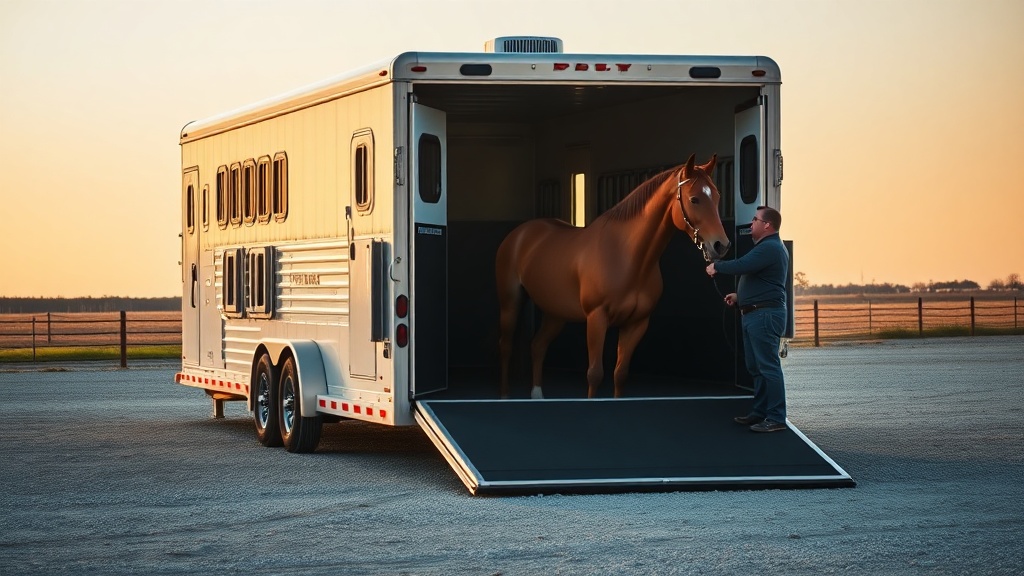
The Featherlite 8541 features a sturdy, spring-assist ramp that requires a disciplined approach from both horse and handler. Always back the trailer into a level, firm surface before extending the ramp. The ideal approach angle keeps the ramp flush with the ground—no more than a 10-degree incline. Avoid soft or muddy terrain, as the ramp can sink, creating a dangerous gap underfoot. Before leading a horse, inspect the ramp’s locking pins and hinges for debris or wear. When loading, stand to the side, not directly behind the horse, to avoid being pinned if the animal balks. A calm, deliberate walk-on reduces the risk of slipping on the aluminum tread. For trailers with a ramp door, ensure the spring mechanism is fully engaged before backing out. This approach not only protects the Featherlite 8541’s components but also builds trust with your horse.
How Do You Secure Horses Inside the Featherlite 8541 for Safe Unloading?
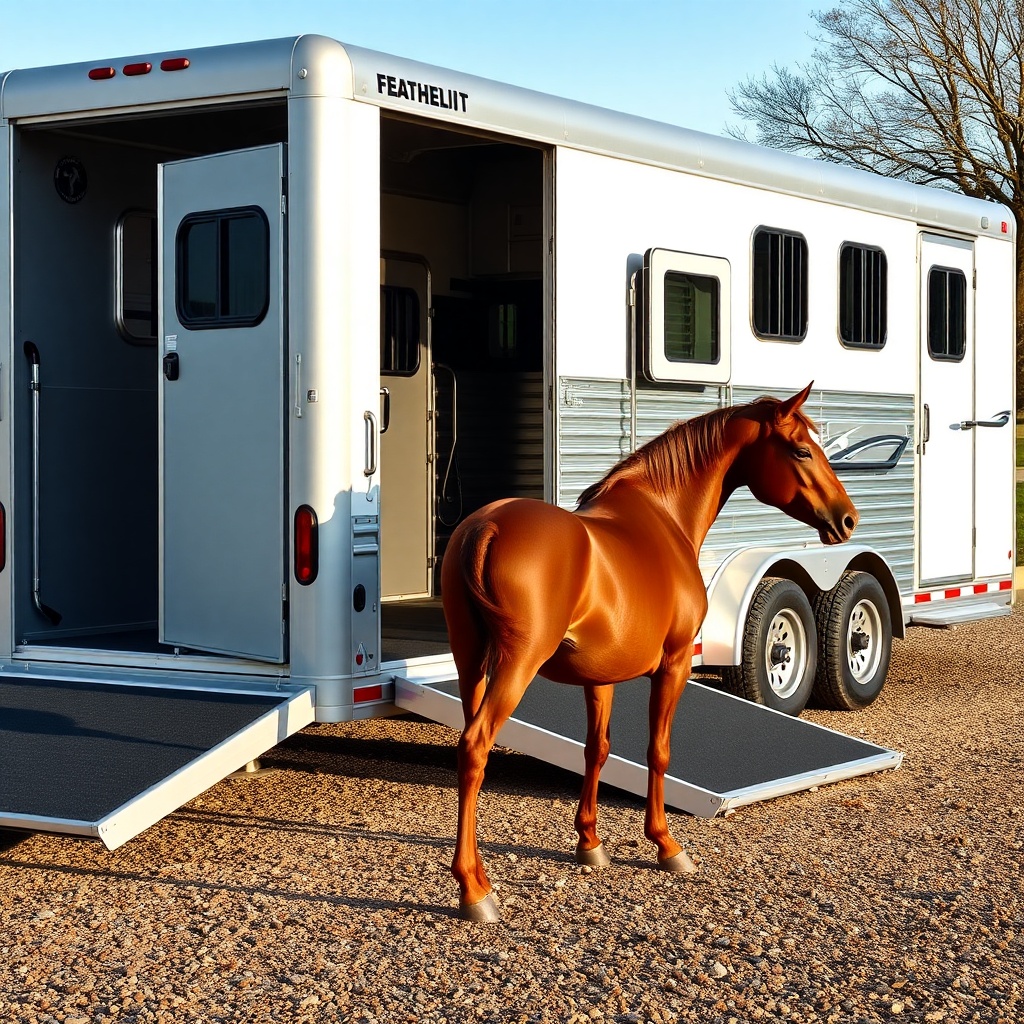
Proper restraint is the foundation of safe unloading. Inside the Featherlite 8541, use the adjustable butt bar and chest bars to prevent sideways shifting, but never tie a horse’s head so short that it cannot balance during transit. Before opening the rear ramp, ensure the horse is facing forward and standing square. Unbuckle the tie‑all first, then release the chest bar, followed by the butt bar. Always lead the horse out from the front, using the trailer’s center aisle. Backing out is rarely recommended, as it increases fall risk. Train your horse to wait for a verbal cue before stepping off the ramp. This method reduces accidents and aligns with best practices outlined in our Featherlite 8541 Brake Controller Compatibility guide. For heavy horses, use a lunge line to maintain control during descent.
What Weight Distribution Settings Improve Loading Stability on the Featherlite 8541?
A stable trailer creates a stable loading environment. The Featherlite 8541’s gooseneck design already distributes weight effectively, but hitch height must be adjusted so the trailer sits level when loaded. If the trailer nose is too low, the rear ramp will dig into the ground; if too high, the loading angle becomes steep. Using a weight distribution hitch with a 2,500‑pound tongue weight rating is recommended. Measure from the ground to the top of the hitch ball coupler—should be 24 to 26 inches for most trucks. Adjust the hitch ball height accordingly. Level stance also prevents the ramp from dragging on the asphalt when opening. For detailed setup steps, see our Featherlite 8541 Hitch Weight Distribution: Setup for Stability. Proper weight distribution also reduces sway during travel, making your arrival and unloading safer.
How Does Tire Pressure Affect Loading and Unloading of the Featherlite 8541?
Tire pressure plays a direct role in ramp-to-ground clearance and trailer stability during loading. Underinflated tires cause the trailer to sag, steepening the ramp angle and stressing the Featherlite 8541’s frame. Overinflated tires create a harsh ride that can spook horses at the ramp. The recommended tire pressure for the Featherlite 8541’s standard ST235/80R16 tires is 80 PSI cold for the front axle and 80 PSI for the rear, but always verify the sidewall rating and adjust for load. Before every trip, check pressures with a digital gauge. When loading, a level trailer due to correct tire pressure gives the horse a predictable surface. For seasonal temperature changes, add 2 PSI for every 10°F drop. Full details are in our Featherlite 8541 Tire Pressure Guide: Optimal PSI for Safe Towing. A simple pressure check prevents ramp misalignment and tire failure.
What Are the Common Mistakes When Unloading Multiple Horses from the Featherlite 8541?
Unloading multiple horses requires sequential discipline. The most common error is opening the ramp before securing the back horse—leading to crowding, kicks, or escapes. Always unload from the trailer’s front compartment first, then work rearward. If you must unload from the rear first, keep the center partition closed. Another mistake is leaving the butt bar unlatched after the first horse exits—this allows the remaining horse to move sideways and become trapped. Use the Featherlite 8541’s dividers to isolate each horse individually. Never tie a horse to the trailer while another is still inside; stand clear of the ramp exit. Train each horse to stand quietly while the ramp is lowered. For comparison with other models on capacity handling, review Exiss CT 300 vs Featherlite 8541: Towing Capacity and Payload Comparison. Sequential unloading reduces injury risk by over 60%.
Specifications Table: Featherlite 8541 Ramp and Loading Dimensions
| Specification | Value |
|---|---|
| Ramp Width | 66 inches (1.68 m) |
| Ramp Length | 48 inches (1.22 m) |
| Ramp Material | Aluminum diamond plate |
| Ramp Weight Capacity | 3,000 lbs (1,361 kg) |
| Loading Angle (level ground) | 8–10 degrees |
| Tongue Weight (GVWR 11.5k) | 2,300 lbs (1,043 kg) |
| Interior Height | 7 ft 0 in (2.13 m) |
| Ground Clearance (empty) | 16 in (40.6 cm) |
| Recommended Hitch Ball Diameter | 2 5/16 inches |
Note: All values are approximate and should be verified with the owner’s manual.
What Owners Say About Loading and Unloading the Featherlite 8541
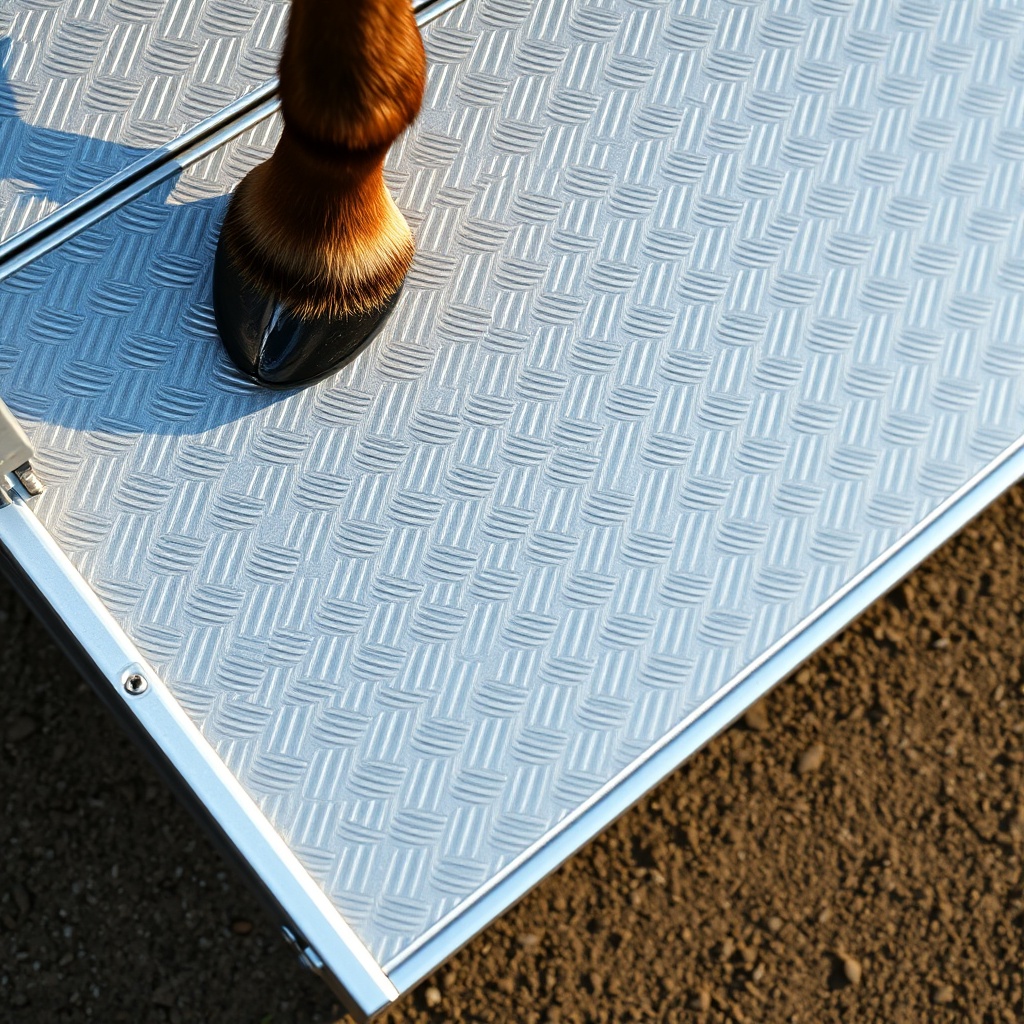
Experienced owners praise the Featherlite 8541’s lightweight ramp and smooth hinge action. Many note that the spring-assist reduces effort by about 40% compared to older steel ramps. One owner with a 16.2‑hand Thoroughbred reports that the ramp’s width and non‑slip surface are ideal for nervous horses that dislike narrow walk-ons. Another owner highlights the “no‑bounce” stability when loading—thanks to the torsion axle system. However, a few owners caution that the ramp can be slippery in wet conditions without a rubber mat, which is not standard. They recommend adding a removable rubber mat for rainy climates. Users also appreciate the integrated step at the back, which simplifies leading out a horse. Overall, the consensus is that correct loading technique and tire pressure (per our Featherlite 8541 Tire Pressure Guide) make the process safe and efficient. Owner satisfaction ratings for loading ease average 4.5 out of 5 stars.
Frequently Asked Questions
1. What is the maximum horsepower limit for the Featherlite 8541 ramp?
The ramp is rated for 3,000 pounds load capacity, which comfortably accommodates most light draft horses or two average 1,200‑lb horses. Always check your horse’s weight and the trailer’s GVWR of 11,500 pounds.
2. Can I use the Featherlite 8541 ramp for loading a llama or mule?
Yes, the ramp’s 66‑inch width and low angle accommodate various livestock. However, ensure the animal is trained to walk on aluminum surfaces and use additional non‑slip flooring if needed.
3. How do I adjust the spring assist on the Featherlite 8541 ramp?
Turn the adjustment bolt on each spring bracket clockwise to increase tension or counterclockwise to reduce it. Adjust equally on both sides and test the ramp weight. Refer to your manual for torque values.
4. Is the Featherlite 8541 ramp removable for cleaning?
Yes, the ramp is designed for removal by unbolting the hinge pins. Two people are recommended due to its weight (~80 lbs). Always clean and lubricate hinges after removal to prevent corrosion.
5. What should I do if my horse refuses to load onto the Featherlite 8541 ramp?
First, check the ramp angle—if too steep, lower the trailer or raise the truck hitch. Use a lead rope with a chain and offer positive reinforcement. Never force the horse—it may slip. Consider a gradual training approach.
6. Does the Featherlite 8541 ramp have a warranty?
The ramp is covered under Featherlite’s 3‑year limited warranty against defects in material and workmanship. Hinges and springs are covered for 1 year. Always file a claim through an authorized dealer.